



Julius Malema at a Crossroads: Politics, Power, and Legal Pressure in South Africa
Introduction: A Defining Moment for a Controversial Political Figure
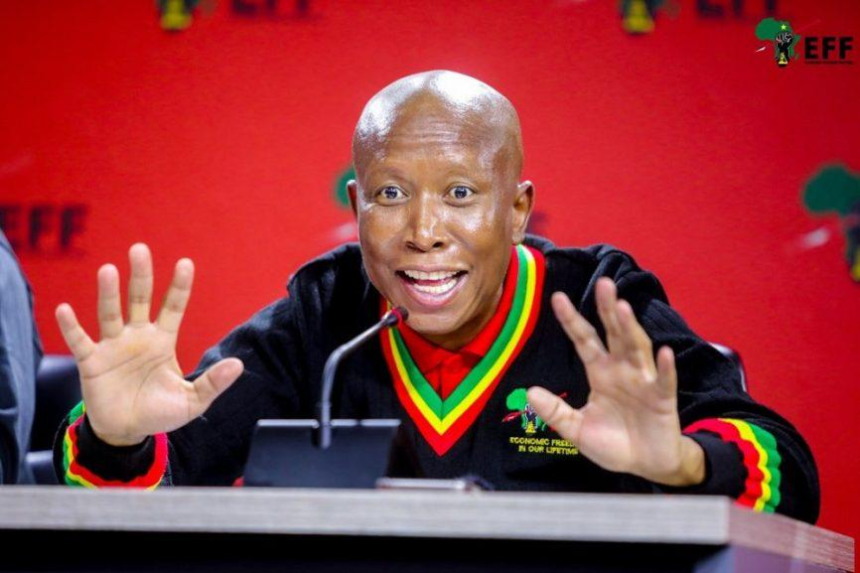
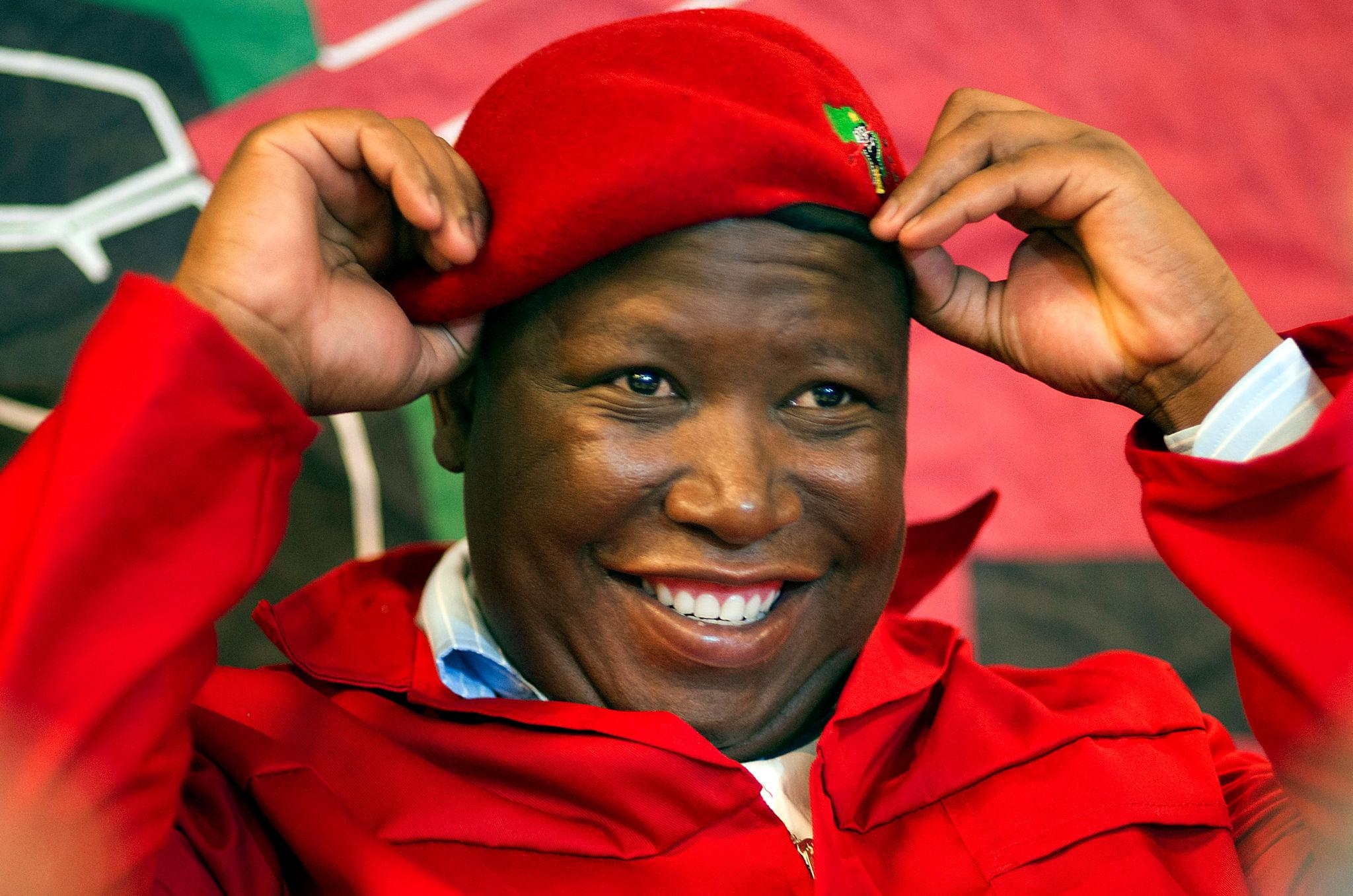
Few figures in South African politics provoke as much debate, admiration, and criticism as Julius Malema. As the leader of the Economic Freedom Fighters (EFF), Malema has built a reputation as a disruptive force—challenging established political norms, pushing radical economic policies, and mobilizing large segments of South Africa’s youth.
- Introduction: A Defining Moment for a Controversial Political Figure
- The Firearm Conviction: Legal Pressure Intensifies
- Political Mobilization: EFF Rallies Behind Its Leader
- Coalition Politics: A Shift in Strategy
- Public Image: Between Populism and Polarization
- Broader Political Context: A Country in Transition
- What Lies Ahead: Legal Outcome and Political Consequences
- Conclusion: A Test of Influence and Endurance
Now, in April 2026, Malema finds himself at a critical intersection of politics and law. With sentencing looming over a firearm conviction, alongside renewed political maneuvering ahead of local government elections, his future—both personal and political—has become a focal point of national attention.
This moment is not simply about a legal case. It represents a broader test of political resilience, institutional power, and the evolving dynamics of South African democracy.
The Firearm Conviction: Legal Pressure Intensifies
At the center of current developments is Malema’s upcoming sentencing in the East London Magistrates’ Court. The case stems from a 2018 rally in Mdantsane, where he was captured on video discharging a firearm into the air in front of supporters.
Malema has been convicted of violating firearm laws and is scheduled to return to court for sentencing proceedings next week. However, he continues to challenge the outcome, stating that he is actively appealing the conviction.


His remarks reflect a belief that the case is politically motivated:
“You can see that someone is doing everything in their power to get me to jail. So I have no problem with that. We are going there ready and knowing what the other side wants from us. You can see that they are coming from a kill.”
The legal stakes are significant. A custodial sentence could affect his eligibility to hold public office, while even a suspended sentence may carry long-term political consequences. Yet Malema has consistently framed the case as part of a broader struggle rather than a personal setback.
Political Mobilization: EFF Rallies Behind Its Leader
The EFF has responded decisively. Party structures across South Africa are mobilizing supporters to gather outside the court during sentencing proceedings, signaling a show of solidarity and political strength.
This coordinated response underscores Malema’s centrality within the party. Unlike many political organizations with diffused leadership, the EFF’s identity is closely tied to its founder.
Internally, the party is also intensifying preparations for the 2026 local government elections. According to recent statements, the EFF has transitioned its organizational structures into election-focused task forces aimed at maximizing grassroots mobilization.
Malema himself has framed the moment in stark terms, declaring the political stakes as existential:
- The elections are described as a “Victory or Death” campaign.
- The party is prioritizing voter registration and direct community engagement.
- Leadership structures have been repurposed into coordinated election machinery.
This dual focus—legal defense and electoral expansion—illustrates how Malema continues to operate on multiple fronts simultaneously.
Coalition Politics: A Shift in Strategy
Parallel to his legal challenges, Malema has introduced a notable shift in political rhetoric—advocating for a coalition between historically aligned left-leaning parties.
He has suggested that South Africa’s future lies in cooperation between:
- The African National Congress (ANC)
- The EFF
- Other aligned political formations
This represents a departure from earlier positions, where the EFF was more open to flexible alliances. The shift has not gone unnoticed.
ANC Secretary-General Fikile Mbalula publicly welcomed the proposal, describing it as a significant ideological evolution:
- He characterized Malema’s position as a “Damascus moment.”
- He noted that such alignment had previously been rejected by the EFF.
- He emphasized the need for consistency in this new approach.
The implications are substantial. A left-leaning coalition could reshape South Africa’s political landscape, particularly if the ANC continues to lose electoral dominance.
Public Image: Between Populism and Polarization
Malema’s public persona remains deeply polarizing. To supporters, he is a champion of economic justice, advocating for:
- Land expropriation without compensation
- Free education and expanded healthcare
- Structural reforms targeting inequality
To critics, he represents a populist figure whose rhetoric can be confrontational and divisive.
His communication style—direct, often provocative, and highly media-driven—has ensured sustained visibility. Whether addressing rallies or responding to legal developments, Malema consistently positions himself as a figure in confrontation with entrenched systems of power.
Broader Political Context: A Country in Transition
Malema’s current situation unfolds against a complex national backdrop:
- Ongoing debates over governance and accountability
- Allegations involving high-level political figures
- Institutional scrutiny of law enforcement and state agencies
- Economic pressures, including rising costs of living
Within this environment, the EFF’s messaging emphasizes systemic change, positioning itself as an alternative to both traditional ruling structures and opposition parties.
The party’s campaign strategy reflects this positioning:
- Focus on service delivery rather than personality politics
- Emphasis on grassroots mobilization
- Commitment to policy-driven electoral messaging
What Lies Ahead: Legal Outcome and Political Consequences
The immediate future hinges on the outcome of the sentencing process. Several scenarios are possible:
- Custodial sentence: Could disrupt Malema’s direct political participation
- Suspended sentence or fine: May allow continued leadership with reputational impact
- Successful appeal: Could reinforce his narrative of political targeting
Beyond the courtroom, the broader trajectory of Malema’s career will depend on:
- The EFF’s performance in the 2026 local government elections
- The viability of proposed political coalitions
- His ability to maintain public support amid legal and political pressures
Conclusion: A Test of Influence and Endurance
Julius Malema’s current position encapsulates the tension between legal accountability and political influence. As he prepares for sentencing, he remains both a central political actor and a contested public figure.
The coming weeks are likely to be decisive—not only for Malema personally but for the EFF and the broader political configuration of South Africa.
Whether this moment marks a setback or a consolidation of power will depend on outcomes in both the courtroom and the political arena. What is clear is that Malema continues to shape national discourse, ensuring that his influence—controversial or otherwise—remains firmly embedded in South Africa’s evolving story.