Julio César Chávez Net Worth, Relationships, Age/Birthdate & Birthday
Overview of Julio César Chávez — net worth, relationships, age/birthdate, and birthday.
 loveness92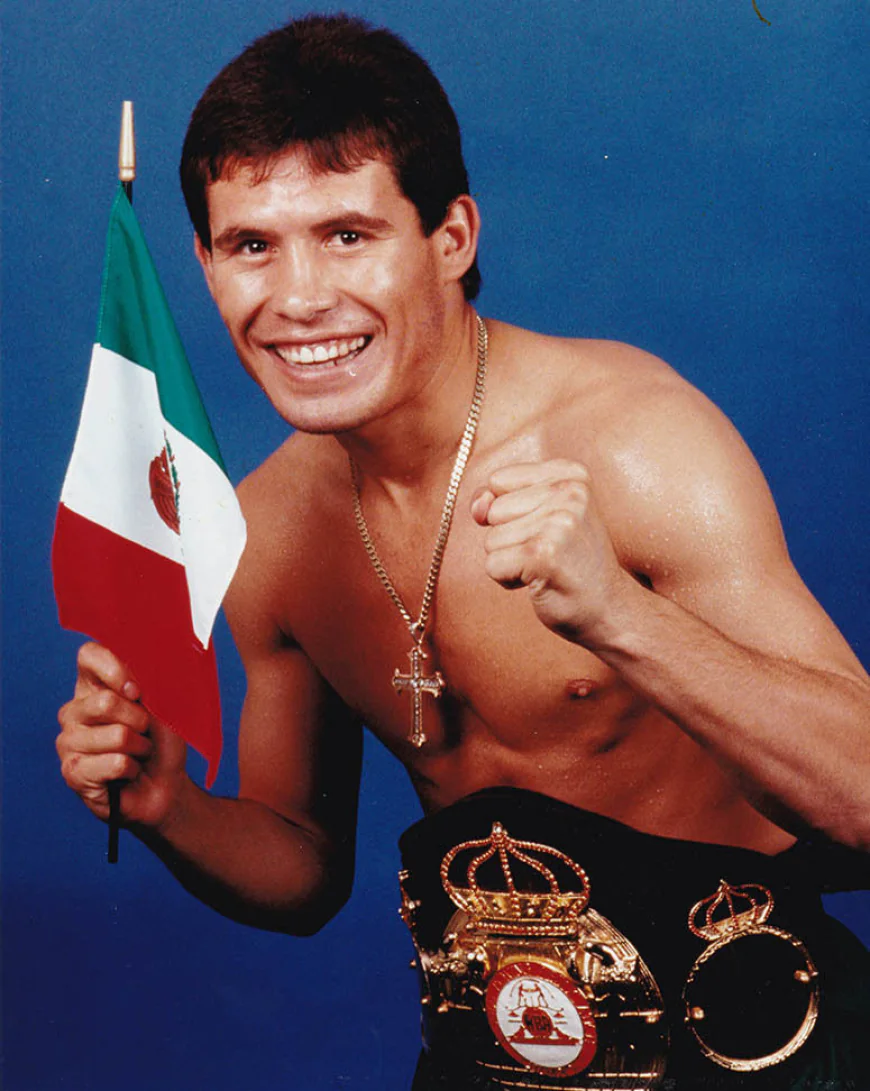
Julio César Chávez remains one of boxing’s most enduring legends — a man whose journey from humble beginnings to global acclaim has cemented his place in sports history. Born on July 12, 1962, in Ciudad Obregón, Sonora, Mexico, Chávez’s birthday reflects the modest roots from which the “Great Mexican Champion” emerged.
Rising from Hardship: The Making of a Champion
Julio César Chávez grew up amid hardship. His father worked on the railroad, and the family — one of eleven children — lived in a discarded railroad car. Poverty was the backdrop of his childhood.
Drawn to boxing at a young age, Chávez began amateur fights at 16. By 1980, he had turned professional, launching a career that would redefine the sport.
Dominance in the Ring — Legacy Etched in Titles and Records
Chávez’s professional career spanned a quarter-century, from 1980 to 2005, during which he became a six-time world champion across three weight divisions.
His championship journey included:
-
WBC Super Featherweight title (won 1984)
-
WBA and WBC Lightweight titles (1987–1989)
-
WBC/IBF Light Welterweight titles, with multiple reigns between 1989 and 1996.
Stats speak volumes: 115 total fights, 107 wins (86 by knockout), 6 losses and 2 draws.
He also owns — or co-owns — several iconic boxing records: the most total successful world-title defenses (27, tied), most title-fight victories (31), most title fights (37), and one of the most impressive undefeated streaks in boxing history — nearly 14 years.
Perhaps one of the biggest testaments to his draw as a superstar: his 1993 win over Greg Haugen at Mexico’s Estadio Azteca set a record for the largest attendance at a championship boxing match — 132,274 people.
Life Beyond the Ropes: Personal Struggles, Family, Redemption
Though retirement eventually came, Chávez’s influence remained strong. He transitioned into media work and commentary with networks such as ESPN and TV Azteca, and invested in businesses and properties in both Mexico and the United States.
The road, however, was not free of turbulence. During the latter part of his career, Chávez struggled with alcohol and drug addiction. He has admitted that his dependency started after a fight with Edwin Rosario and escalated to cocaine use, leading to several stints in rehabilitation before he eventually sought recovery.
Family has remained central. Chávez is father to professional boxers Julio César Chávez Jr. and Omar Chávez, as well as a daughter, Nicole.
Wealth That Reflects a Champion’s Legacy — Net Worth
Estimating net worth for sports legends is rarely exact, but available data suggests that Julio César Chávez has amassed a net worth of approximately US$10 million.
This wealth stems from decades of substantial fight purses, world-title earnings, media commentary, business ventures, and his enduring status as a global boxing icon.
However, some recent reporting cites lower estimates (around US$5 million), possibly reflecting adjustments for inflation, expenses, or changes in the value of assets.
Thus, while $10 million remains a widely cited figure, the reality likely fluctuates depending on how one values his ongoing business interests, legacy branding, and post-retirement revenue streams.
What Julio César Chávez Means — More Than Titles
Julio César Chávez’s journey is more than a record of wins and belts. It is a story of resilience, transformation, and redemption. From living in poverty to commanding stadiums filled with hundreds of thousands, from fighting for survival to fighting in the ring — his life reflects the grit and glory of boxing itself.
His legacy isn’t just in record books; it lives on through his children, through the respect he commands in media and business, and through millions of fans worldwide who still call him “El Gran Campeón.”