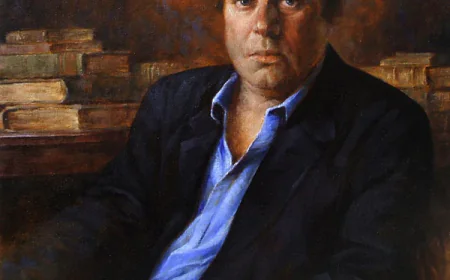
Jonathan Cain Net Worth, Relationships, Age/Birthdate & Birthday
Overview of Jonathan Cain — net worth, relationships, age/birthdate, and birthday.
 loveness92
The Journey of Jonathan Cain — From Chicago Upbringing to Rock Legacy
Born Jonathan Leonard Friga on February 26, 1950, Jonathan Cain grew up in Chicago in a working-class, Italian-American household. By the age of eight he was already studying accordion — and by his teenage years, he had broadened his musical skills to piano, guitar, bass, harmonica, and beyond.
The defining moment that set Cain on his path came early: as a third-grade student, he survived the devastating 1958 fire at the Our Lady of the Angels School in Chicago, a tragedy that claimed over 90 lives. The ordeal left a lasting mark — his survival and early exposure to tragedy helped shape not just his character but his resolve to channel his energy into music.
After graduating high school in the late 1960s and studying at the Chicago Conservatory of Music, Cain eventually moved into professional music. Early on, he recorded under the name “Jonathan Cain Band,” but his major break arrived in 1979 when he joined The Babys. A year later, in 1980, he was invited to join Journey — stepping in for departing keyboardist Greg Rolie.
With Journey, Cain became much more than a keyboardist: he emerged as one of the band’s primary songwriters and architects of its signature sound. On the 1981 album Escape, Cain co-wrote tracks that would become anthems for generations, including the now-iconic “Don't Stop Believin'.” He also wrote “Faithfully,” a powerful ballad that remains a cornerstone of rock love-song canon.
Over decades, Cain contributed to Journey’s enduring success — multiple platinum and diamond albums, worldwide tours, and a legacy cemented when Journey was inducted into the Rock & Roll Hall of Fame in 2017.
More Than a Band Member: The Composer, Solo Artist, and Faith-Driven Storyteller
While widely celebrated for his work with Journey, Cain’s artistic ambitions stretched beyond the band. Before Journey, he released a solo record in 1976 under the Jonathan Cain Band banner.
In later years, Cain shifted toward more personal and spiritual expression. He has produced a number of solo albums — embracing contemporary Christian music — and built a reputation not only as a musician but as a composer, singer, and worship leader.
In 2018, Cain released his memoir, Don't Stop Believin': The Man, the Band, and the Song That Inspired Generations, offering intimate insight into his life: early hardship, meteoric musical success, faith, family, and redemption. Through writing and new music, Cain continues to weave his personal faith and creative spirit into his public legacy.
The Value of a Legacy: Net Worth and Earnings Through Decades
Thanks to decades of songwriting, touring, and album sales — both with Journey and as a solo artist — Jonathan Cain’s financial success reflects the magnitude of his impact. His net worth is most commonly estimated at US$40 million.
That figure is supported by a catalogue of hits — from “Don’t Stop Believin’” to “Faithfully” and “Open Arms” — plus royalties from millions of album sales.
Moreover, his shift toward faith-based music, public speaking, and ministry-related performances adds layers to his income and influence. His commitment to philanthropy and outreach — including events tied to his faith and music — has become integral to how he operates personally and professionally.
Heart and Home: Relationships, Family, and the Quiet Strength Behind the Spotlight
Jonathan Cain’s personal life has been marked by love, change, and renewal. He has been married three times. His first marriage was to singer Tané McClure in February 1980; the couple divorced in 1984.
In 1989, he married Elizabeth Yvette Fullerton. The union produced three children: daughter Madison Friga‑Cain (born 1993), and twins Liza Friga‑Cain and Weston Friga‑Cain (born 1996).
After divorcing in 2014, Cain found spiritual and personal companionship with Paula White, a prominent evangelical minister. The two married on April 25, 2015.
Cain’s faith, family, and music are deeply intertwined. His later years reflect a man who — after decades in the global spotlight — leans into spiritual purpose, creative expression, and pastoral support alongside his wife.
Why Jonathan Cain’s Story Still Resonates
Jonathan Cain embodies a powerful narrative: a working-class kid from Chicago who survived tragedy, pursued his passion relentlessly, and helped define what rock music means to generations. His contributions — writing enduring anthems, pushing musical boundaries, and evolving as an artist — have shaped more than albums: they helped shape cultural moments.
His net worth and material success are impressive, but arguably more significant is the emotional and spiritual legacy he continues to build. From “Don’t Stop Believin’” to worship music, from rock stages to memoir pages, Cain’s journey reflects resilience, reinvention, and meaning.
As both musician and man, Jonathan Cain remains a figure whose life — born February 26, 1950 — offers inspiration: a testament to enduring faith, creative craftsmanship, and the power of staying true to one’s journey.