




John Deere at a Crossroads: Innovation, Controversy, and the Future of Farming
Introduction: A Legacy Brand Facing Modern Pressures
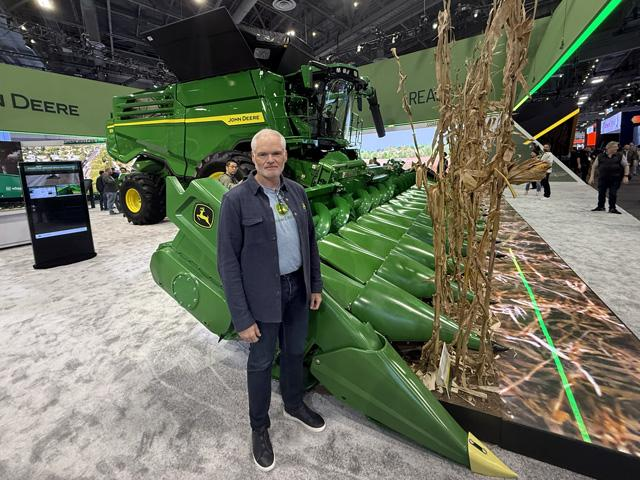
Few names in global agriculture carry as much weight as John Deere. For nearly two centuries, the company has stood as a symbol of mechanized farming, productivity, and technological advancement. From its iconic green tractors to cutting-edge precision agriculture systems, John Deere has shaped how food is grown across continents.
- Introduction: A Legacy Brand Facing Modern Pressures
- A Company Built on Mechanization and Scale
- The Right-to-Repair Settlement: A Defining Moment
- The Broader Legal Landscape: Ongoing Regulatory Pressure
- Farmers’ Perspective: Downtime, Costs, and Dependency
- Technology Transformation: From Machinery to Intelligent Systems
- Strategic Tension: Control vs. Accessibility
- Industry Implications: A Turning Point for Agriculture
- Looking Ahead: What Comes Next?
- Conclusion: Reinvention Under Pressure
Yet in 2026, the company finds itself navigating a complex intersection of innovation and scrutiny. Recent developments—particularly a high-profile legal settlement over repair access—highlight a broader shift in how farmers, regulators, and manufacturers define control over modern agricultural machinery.
This article examines John Deere’s current position through a future outlook lens, exploring how legal challenges, technological transformation, and farmer expectations are reshaping one of the world’s most influential agricultural companies.



A Company Built on Mechanization and Scale
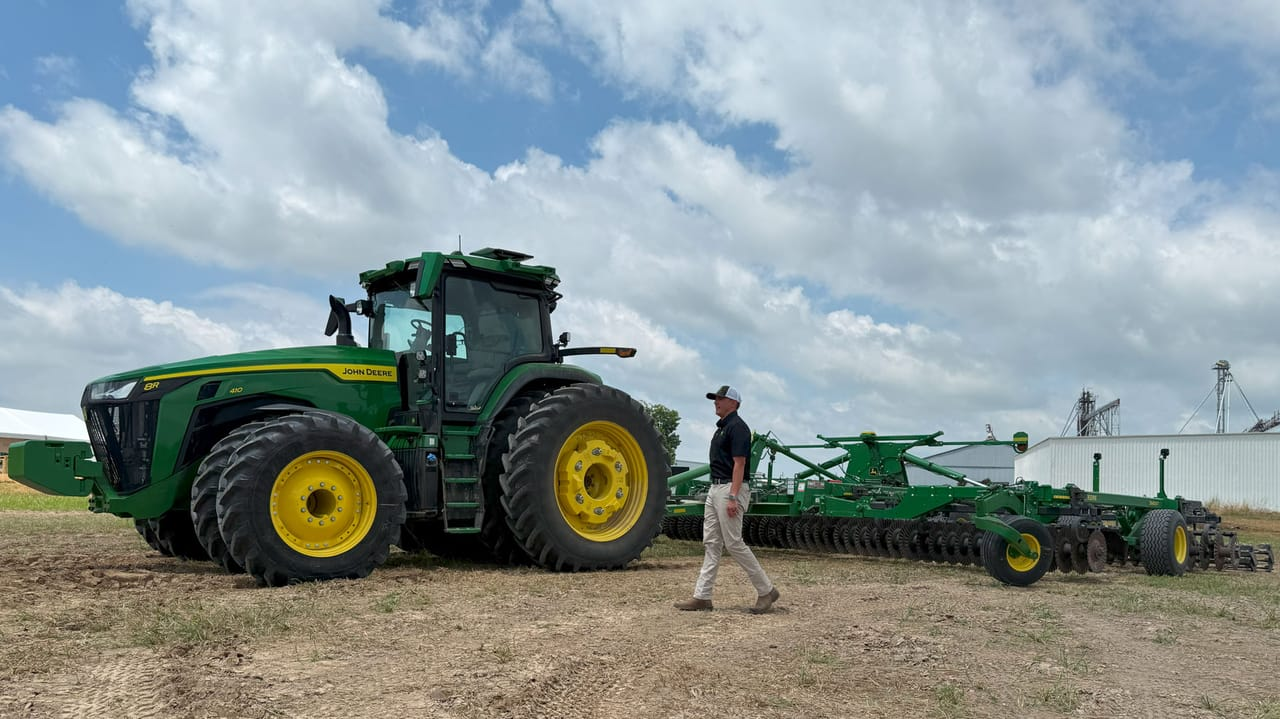
John Deere’s core business has long revolved around manufacturing agricultural equipment—tractors, combines, harvesters, and related machinery designed to increase efficiency and scale in farming operations. Over time, the company evolved from mechanical engineering into a hybrid of hardware and software, integrating sensors, automation, and data-driven tools into its machines.
Today’s equipment is no longer purely mechanical. Modern tractors operate with embedded firmware, digital diagnostics, and real-time monitoring systems. This shift has enabled unprecedented efficiency—but it has also introduced new dependencies.



Farmers now rely not only on physical parts but also on proprietary software ecosystems to keep their equipment running.
The Right-to-Repair Settlement: A Defining Moment
In April 2026, John Deere reached a major settlement in a class action lawsuit centered on repair access and costs. The company agreed to pay $99 million into a settlement fund for farmers who had paid authorized dealers for repairs since 2018.
The agreement includes a significant operational shift:
- Farmers will gain access to digital tools required for maintenance, diagnosis, and repair of large agricultural equipment.
- This access will be provided for 10 years, covering machines such as tractors, combines, and sugarcane harvesters.
John Deere emphasized that the settlement resolves the dispute “with no finding of wrongdoing,” signaling a legal closure without admission of liability.


From a strategic standpoint, the settlement is more than a financial resolution—it is a structural concession. It acknowledges growing pressure to open previously restricted systems to users and third-party repair providers.
The Broader Legal Landscape: Ongoing Regulatory Pressure
Despite settling one case, John Deere remains entangled in a separate lawsuit brought by the Federal Trade Commission.
In that case, regulators allege that the company has effectively created a repair monopoly by limiting access to tools and software, forcing farmers to rely on authorized dealer networks. A federal judge ruled in 2025 that the case could proceed, rejecting Deere’s attempt to dismiss it early.
This ongoing litigation reflects a wider policy debate:
- Should manufacturers retain control over digital systems embedded in their products?
- Or should ownership extend to full repair rights, including software access?
The outcome of this case could set precedents not only for agriculture but also for automotive, electronics, and other industries reliant on proprietary software ecosystems.
Farmers’ Perspective: Downtime, Costs, and Dependency
At the center of the controversy are farmers themselves—operators whose livelihoods depend on timing, reliability, and cost control.
Reports from the field illustrate the operational stakes:
- Equipment breakdowns during planting season can result in significant financial losses.
- Repairs often require dealership intervention, leading to delays and higher costs.
- In some cases, machines remain out of service for extended periods—such as 28 days for a single repair.
The technical barrier lies in software access. Modern machines generate diagnostic codes, but interpreting and resolving them often requires proprietary tools that farmers claim are not readily available.
This dynamic has created a dependency loop:
- Equipment fails
- Software locks limit self-repair
- Farmers must rely on authorized dealers
- Costs and delays increase
For many, the issue is not just about convenience—it is about operational autonomy.
Technology Transformation: From Machinery to Intelligent Systems
While legal challenges dominate headlines, John Deere continues to push aggressively into advanced agricultural technology.
Recent demonstrations highlight the company’s trajectory:
- Autonomous tillage systems capable of operating with minimal human oversight
- Precision application technologies that optimize fertilizer usage
- Real-time data systems that enhance efficiency and reduce waste
These innovations offer tangible benefits:
- Increased productivity during tight planting and harvesting windows
- Reduced labor dependency in regions facing workforce shortages
- Greater consistency in crop management
However, they also deepen reliance on software-driven ecosystems—reinforcing the very concerns at the heart of the right-to-repair debate.
Strategic Tension: Control vs. Accessibility
John Deere’s current position can be understood as a balancing act between two competing priorities:
1. Technological Control
Maintaining proprietary systems allows the company to:
- Ensure product integrity and safety
- Protect intellectual property
- Deliver integrated, high-performance solutions
2. Customer Accessibility
Expanding repair access addresses:
- Farmer demand for autonomy
- Regulatory pressure
- Market competition and public perception
The 2026 settlement suggests a gradual shift toward greater openness—but within defined boundaries.
Industry Implications: A Turning Point for Agriculture
The implications of John Deere’s situation extend far beyond a single company.
For Farmers
- Greater access to repair tools could reduce costs and downtime
- Increased independence in equipment management
For Manufacturers
- Pressure to adopt more open ecosystems
- Potential erosion of aftermarket service revenue
For Policymakers
- A test case for regulating digital ownership rights
- Broader impact across industries with embedded software
The agricultural sector, traditionally seen as mechanical and analog, is now at the forefront of digital ownership debates.
Looking Ahead: What Comes Next?
Several trends are likely to define John Deere’s trajectory in the coming years:
Expanded Digital Access
The 10-year commitment to provide repair tools may evolve into a permanent feature, depending on regulatory outcomes and market expectations.
Continued Legal Scrutiny
The unresolved FTC case ensures that the company’s practices will remain under close examination.
Accelerated Innovation
Investment in autonomy, AI-driven farming, and precision agriculture is expected to intensify, reinforcing Deere’s position as a technology leader.
Changing Farmer Expectations
As digital literacy increases, farmers may demand greater transparency and control over their equipment ecosystems.
Conclusion: Reinvention Under Pressure
John Deere’s story in 2026 is not simply about tractors or machinery—it is about transformation.
The company stands at a critical juncture where legacy manufacturing meets digital innovation, and where long-standing business models are challenged by evolving expectations around ownership and access.
The recent settlement signals adaptation, but not resolution. The broader tension between control and openness remains unresolved, shaping not only John Deere’s future but also the direction of modern agriculture.
In a sector where timing is everything, the ability to balance innovation with accessibility may ultimately determine who leads the next era of farming.