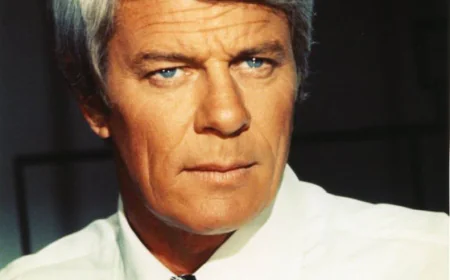
John Byner Net Worth, Relationships, Age/Birthdate & Birthday
Overview of John Byner — net worth, relationships, age/birthdate, and birthday.
 loveness92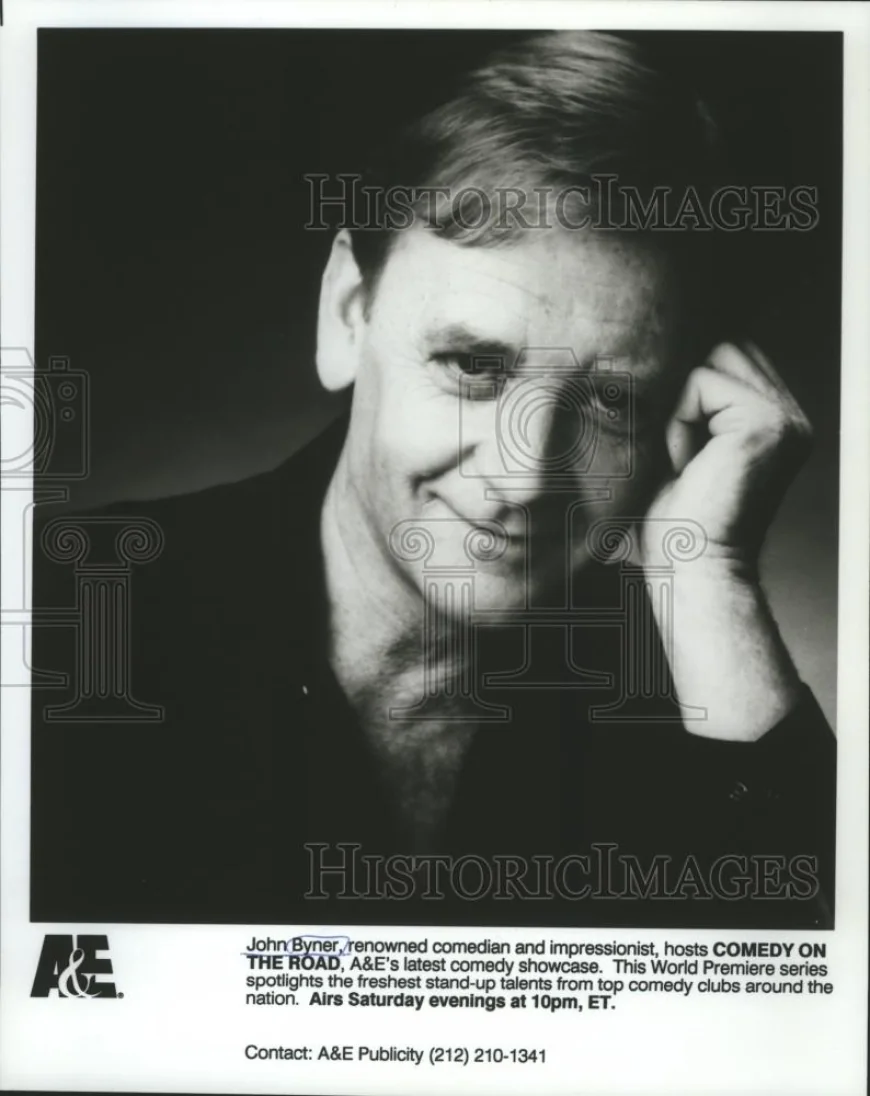
A Voice That Echoes: The Enduring Legacy of John Byner
When John Byner nervously stepped onto the stage of a small Long Island club in the early 1960s, few could have predicted that the lanky young man with a knack for impersonations would go on to become one of America’s most versatile comedians and impressionists. Over decades — encompassing stand-up, television variety, film, and voice acting — Byner built a career defined by chameleonic comedic range, sharp timing, and a voice that could shift from Dean Martin to Lyndon Johnson in an instant.
Born John Thomas Biener on June 28, 1938, in New York City, Byner discovered early that voices and mimicry might offer a path out of modest beginnings. His birthday, June 28, has since become a quiet nod each year to a performer whose laughs have resonated for generations.
From Pool-Builder to Club Stage: The Unlikely Start
Byner’s upbringing was ordinary: his father worked as a truck mechanic, his mother as a mental-hospital attendant. As the fifth of six children, young John attracted attention early — not with toys or tantrums, but with impressions. After watching the film Here Come the Waves (1944) with his mother, he mimicked Bing Crosby so convincingly that his family soon asked him to entertain relatives just to break the ice after a move.
At 17, Byner enlisted in the U.S. Navy, training in radio and teletype work. Even among fellow servicemen, his comedic timing and mimicry stood out as a natural icebreaker. Once discharged, he took a job servicing swimming pools — a far cry from Hollywood — yet spent weekends performing at a small nightclub. That club gig led to a pivotal audition for Merv Griffin's Talent Scouts Show, which in turn opened the door to larger stages.
From there, Byner began headlining at major venues and opening for jazz legends, honing a stagecraft that blended musicality, impersonation, and comedy.
Variety, Voice, and Reinvention: Building a Pioneering Career
By the mid-1960s, Byner was gaining national attention. His breakthrough came on Talent Scouts in 1964, soon followed by appearances on variety shows like The Ed Sullivan Show. Over time, his list of appearances grew to include dozens on both Ed Sullivan’s show and late-night staples like The Tonight Show Starring Johnny Carson, where his rubber-faced expressions and spot-on vocal mimicry became his trademarks.
In 1972, he took center stage with his own series, The John Byner Comedy Hour, blending sketches, parodies, and guest spots. Though the show ran for just one season, it cemented his status as more than a novelty — he was a performer capable of anchoring a full variety vehicle.
Not content to stay on camera, Byner expanded into voice acting. Perhaps his most enduring contribution to animation came with The Ant and the Aardvark, produced by DePatie–Freleng Enterprises: for the late 1960s and early 1970s, he voiced both the Ant and the Aardvark, bringing to life a Dean Martin–style Aardvark and a Jackie Mason–inspired Ant.
In the ensuing decades, he moved fluidly between roles — from live-action guest spots on sitcoms like Soap, to hosting shows like Bizarre (1980–1986), a sketch-comedy series that embraced irreverence and broke new ground for cable comedy.
He ventured into film roles and continued voice work for animated projects, proving that his talents could adapt to evolving tastes — yet never losing the core strength that made him stand out: the voice.
Life Off-Stage: Family, Relationships, and the Man Behind the Voices
Behind the laughter and the impersonations was a personal life marked by quiet commitment and change. Byner has been married four times. His first marriage, to Eleanor Belcher, produced four children — two daughters and two sons — before ending in divorce in 1969.
Brief marriages followed: first to Sally Fisher in 1982 (divorced 1983), then to Ksenia Prohaska in 1985, before finally marrying Anne Gaybis in 1992.
His four children — including a son who followed in his footsteps as an impressionist — remain a quiet part of his legacy. Beyond the spotlight, little public attention seems to linger on that side of his life, suggesting Byner chooses to keep family largely out of the glare.
Net Worth and the Elusive Figures Behind the Laughter
Despite a long, multifaceted career, there’s a surprising scarcity of reliable public data about Byner’s net worth. Major business-media publications such as Forbes, Bloomberg, and Business Insider do not appear to have recent or definitive valuations of his wealth. A search through entertainment databases and mainstream media reveals no authoritative estimate.
Given his decades of work across television hosting, stand-up, voice acting, and film—and the recurring income streams those roles likely generated—it is reasonable to infer that Byner achieved a comfortable level of financial success. But without transparent public records or verified disclosures, any figure would be speculative.
For a public-facing profile — as yours aims to be — this absence of data is itself telling: it suggests that Byner’s wealth has never been packaged as a headline. Instead, he focused on staying relevant as a working performer, rather than as a flashy high-earner.
Why John Byner’s Story Still Matters
In an era of quick-burn stardom and viral fame, Byner’s career feels grounded, substantial, and built on craft. He represents a type of entertainer increasingly rare: one who built a body of work across decades, adapted through changing media landscapes, and kept reinventing himself — from nightclub stages, to late-night TV, to voice-over booths — without ever being typecast or sidelined.
His birthday, June 28, reminds industry and audiences alike that the foundation of comedy isn’t fleeting trends. It’s adaptability, timing, and a genuine gift. And while his precise net worth may remain unknown, the worth of his contributions —- to impersonation, voice acting, and classic television comedy — is etched in thousands of performances, decades of laughter, and a legacy that remains quietly influential.