



Jill Biden: The Educator, Advocate, and Partner Behind the Presidency
When discussions turn to the personal life of Joe Biden, one name consistently emerges as central to his story—Jill Biden. More than simply the spouse of a president, Dr. Jill Biden represents a distinct model of modern public service: an educator who maintained her career, an advocate for families, and a figure whose personal journey is deeply intertwined with some of the most defining moments in American political life.
- Early Life and Education: Foundations of an Independent Identity
- A Relationship That Began in a Time of Transition
- A Career That Never Paused: Teaching as a Lifelong Commitment
- Public Role Evolution: From Second Lady to First Lady
- First Lady of the United States: Redefining the Role
- Literary Contributions and Public Voice
- The Broader Cultural Impact
- Public Perception and Legacy in Progress
- Conclusion: Beyond the Title of “Joe Biden’s Wife”
This article takes an analytical feature approach—examining who Jill Biden is, how her role has evolved, and why her influence extends beyond the traditional expectations of a First Lady.
Early Life and Education: Foundations of an Independent Identity
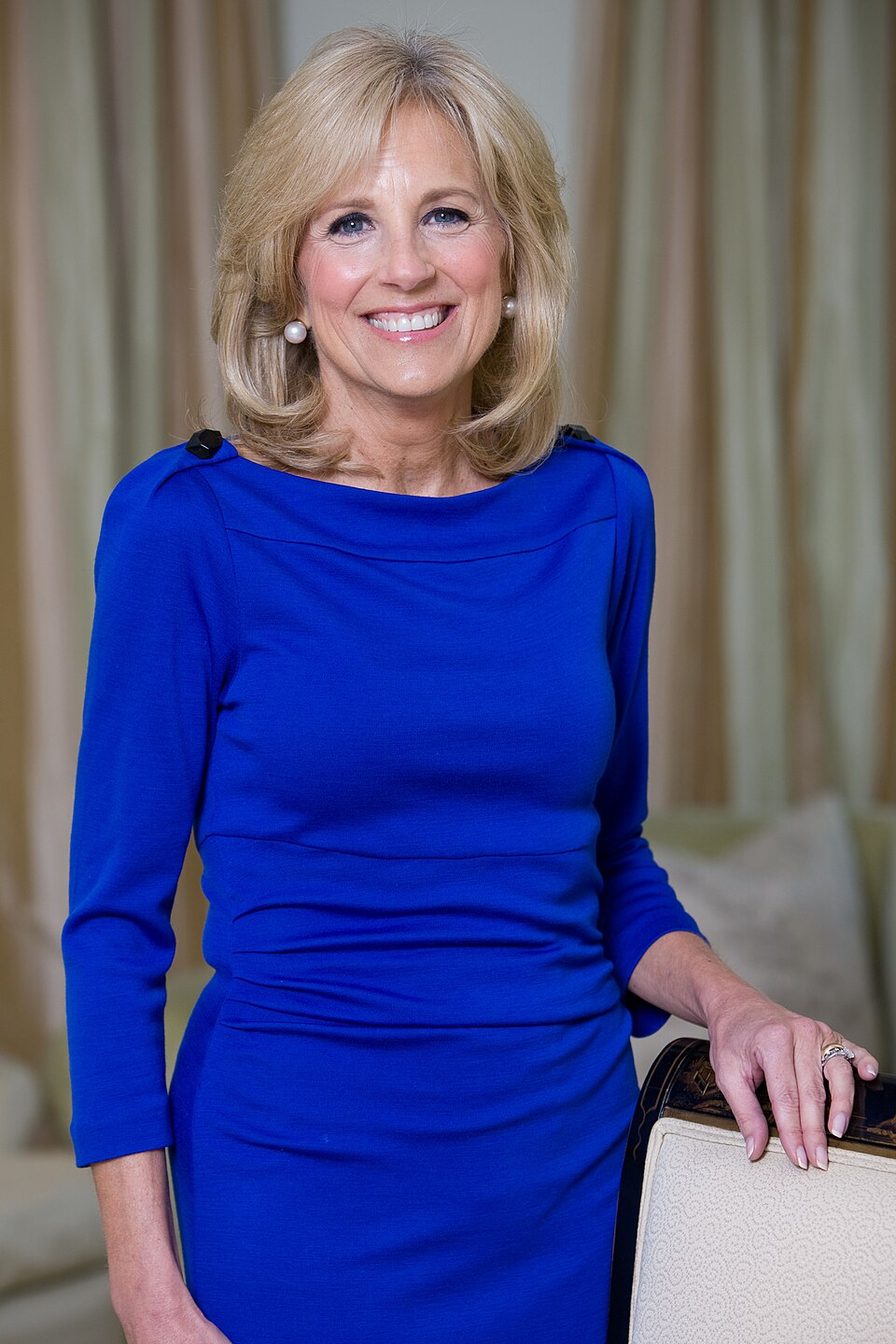
Jill Tracy Jacobs was born on June 3, 1951, in Hammonton, New Jersey. Raised in Willow Grove, Pennsylvania, she grew up as the eldest of five daughters in a close-knit family environment that emphasized education and resilience.

Her academic trajectory reflects a consistent commitment to learning:
- Bachelor’s degree in English — University of Delaware (1975)
- Master of Education — West Chester University (1981)
- Master of Arts in English — Villanova University (1987)
- Doctor of Education (Ed.D.) in educational leadership — University of Delaware (2007)
This progression is notable not just for its depth, but for how it overlapped with her professional and personal responsibilities—a pattern that would define much of her life.


A Relationship That Began in a Time of Transition
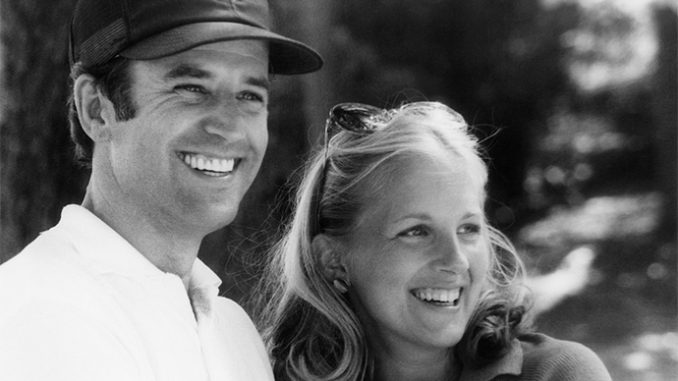
Jill met then-Senator Joe Biden in 1975, during a deeply difficult period in his life following the tragic loss of his first wife and daughter. Their relationship developed steadily, culminating in marriage on June 17, 1977, at the United Nations Chapel in New York City.
At that point, Jill Biden stepped into a complex role:
- Stepmother to Joseph “Beau” III and Hunter Biden
- Partner to a rising political figure
- A professional pursuing her own career ambitions
In 1981, the couple welcomed their daughter, Ashley Biden, completing a blended family that would later become a central theme in Jill Biden’s public narrative.
A Career That Never Paused: Teaching as a Lifelong Commitment
One of the most distinctive aspects of Jill Biden’s identity is her unwavering commitment to teaching.
She began her teaching career in 1976 at St. Mark’s High School in Wilmington and later taught at Claymont High School. Over time, she expanded her experience to include:
- Teaching at a psychiatric hospital (Rockford Center)
- Long-term faculty role at Delaware Technical Community College (from 1993)
- Professor of writing at Northern Virginia Community College
Even during her husband’s tenure as Vice President—and later President—Dr. Biden continued teaching. This made her the first presidential spouse in U.S. history to maintain a full-time professional career outside the White House.
This decision was not symbolic; it reinforced a broader message about working women, education, and independence.
Public Role Evolution: From Second Lady to First Lady
Advocacy During the Vice Presidency
While serving as Second Lady (2009–2017), Jill Biden focused on several core initiatives:
- Support for military families
- Promotion of community colleges
- Expanding educational opportunities for women and girls
She also co-launched the “Joining Forces” initiative with Michelle Obama, aimed at supporting service members, veterans, and their families.
Personal Loss and Public Mission
In 2015, the Biden family experienced a profound tragedy when Beau Biden died of brain cancer. This loss significantly shaped both Jill and Joe Biden’s public advocacy.
They became leading voices behind:
- The White House Cancer Moonshot initiative
- Increased awareness and funding for cancer research
This transition from personal grief to public action became one of the defining elements of Jill Biden’s influence.
First Lady of the United States: Redefining the Role
As First Lady, Dr. Jill Biden has continued—and expanded—her advocacy work across several domains:
1. Education Advocacy
She has consistently promoted access to quality education, particularly through community colleges, which she views as critical pathways for economic mobility.
2. Military Family Support
Through the continuation of “Joining Forces,” she has emphasized employment, education, and wellness for military families and veterans.
3. Cancer Research and Awareness
Building on earlier efforts, she has remained actively involved in initiatives connected to cancer prevention and treatment.
4. Women’s Empowerment
Her global and domestic efforts have focused on improving opportunities for women and girls, particularly in education and health.
Literary Contributions and Public Voice
Jill Biden is also an author, contributing to both adult and children’s literature:
- Where the Light Enters: Building a Family, Discovering Myself (2019) — a memoir that became a New York Times bestseller
- Children’s books including JOEY: The Story of Joe Biden (2020)
Her writing reflects recurring themes of family resilience, personal identity, and public service.
The Broader Cultural Impact
Jill Biden’s presence has contributed to a subtle but meaningful shift in how the role of First Lady is perceived.
Key distinctions:
- Professional continuity: She maintained a career rather than stepping away from it
- Policy alignment: Her advocacy aligns closely with national policy priorities
- Personal authenticity: Her public messaging often draws directly from lived experience
In doing so, she has blurred traditional boundaries between private citizen, public advocate, and political partner.
Public Perception and Legacy in Progress
Public perception of Jill Biden tends to center on three core attributes:
- Educator first – her identity is rooted in teaching, not politics
- Resilient partner – her personal story is closely tied to family and loss
- Modern First Lady – she represents an evolution of the role
Her influence is not defined by legislative power, but by sustained advocacy, visibility, and the credibility of lived experience.
Conclusion: Beyond the Title of “Joe Biden’s Wife”
To frame Jill Biden solely as “Joe Biden’s wife” is analytically insufficient. While her relationship with the president is central, her individual trajectory—educator, advocate, author—stands independently.
Her role illustrates a broader transition in political culture: where spouses of leaders are no longer confined to ceremonial duties but actively shape social and policy conversations.
In that sense, Jill Biden’s story is not just about proximity to power—it is about redefining how that proximity is used.