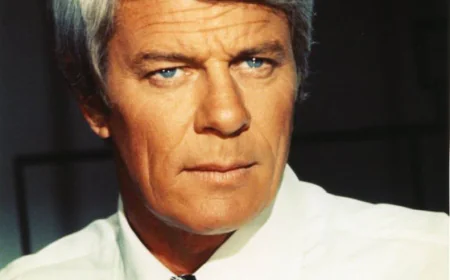
Jimmy Cayne Net Worth, Relationships, Age/Birthdate & Birthday
Overview of Jimmy Cayne — net worth, relationships, age/birthdate, and birthday.
 loveness92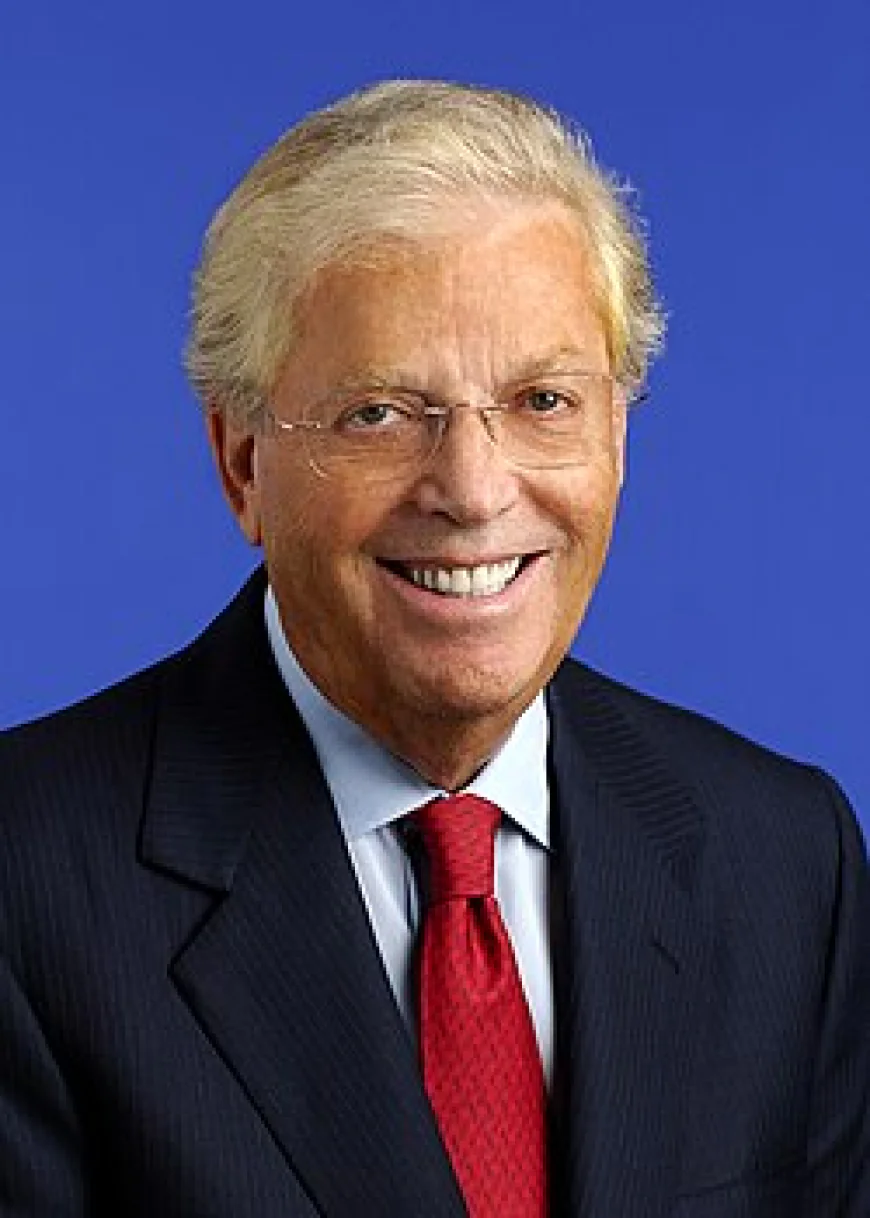
James E. "Jimmy" Cayne — The Bridge-Playing Broker Who Became Wall Street’s Cautionary Legend
The Unlikely Path to Wall Street’s Top
Born on February 14, 1934, in Evanston, Illinois, Jimmy Cayne had what many would call modest beginnings. He briefly attended Purdue University, but left before completing his degree to serve in the U.S. Army. After his military service, Cayne took on a series of sales jobs — from selling scrap iron and municipal bonds to, eventually, working as a traveling salesman.
What set him apart — and set the tone for his future — was his passion for Contract bridge. By the mid-1960s, he was playing bridge full-time in New York City, often in high-stakes club games. It was at one of these clubs that he met Alan C. Greenberg, then a senior figure at Bear Stearns — and Greenberg hired him in 1969 as a bond broker.
Through grit, risk-taking, and perhaps lessons learned at the bridge table, Cayne quickly proved himself. He became Bear Stearns’ President in 1985, then CEO in 1993, and eventually also Chairman of the Board in 2001. Under his leadership, the firm expanded aggressively, making bold bets and rising to rival Wall Street’s traditional powerhouses.
From Bridge Tables to Billion-Dollar Valuations
By the mid-2000s, Cayne’s personal stake in Bear Stearns grew to a size previously unseen among Wall Street leaders: at its peak, his shares were valued at more than $1 billion. Many hailed him as the first Wall Street CEO to cross that threshold.
In 2005, he was ranked among the wealthiest Americans by Forbes, with a reported fortune around $900 million. Between the firm’s rising share price and Cayne’s ownership, he had become a symbol of financial success — a testament to his unconventional rise, from scrap-iron salesman to Wall Street royalty.
But underlying that success was a growing appetite for risk. During Cayne’s tenure, Bear Stearns increasingly embraced mortgage- and bond-backed securities, especially subprime mortgages — complex, leveraged instruments that would later play a central role in the global financial collapse.
The Fall: When Confidence Wavered and Assets Unraveled
Cayne’s story took a dramatic turn in 2007 and 2008. Two Bear Stearns hedge funds tied to shaky mortgage-backed securities imploded — an early warning siren. By March 2008, with the firm teetering, Cayne reportedly sold his entire stock stake — over 5.6 million shares — for roughly $10.82 per share.
His decision came just before JPMorgan Chase swooped in to buy Bear Stearns for about $2 per share — a dramatic collapse of value from the $170-plus per share the stock once traded at.
By then, most of Cayne’s personal fortune had evaporated. Some sources estimate his net worth at his death — years later — around $100 million. Once Wall Street’s billionaire, he had become a cautionary tale about concentration of assets, excessive leverage, and the perils of hubris.
Behind the Boardroom: Life, Bridge, and Personal Connections
Jimmy Cayne’s personal life was quieter than his business persona, but no less telling. On February 14, 1934 — his birthdate and birthday — he entered the world in Evanston, Illinois.
In 1971, he married Patricia Denner, whom he met at a bridge club. The couple remained together for decades. They had two daughters: one from his first marriage, and another, Alison Cayne Schneider, with Patricia. His other daughter was Jennice Cayne Nienkerk.
Outside finance, Cayne remained deeply involved in the world of bridge. He was regarded as one of the top bridge players in the United States: a Grand Life Master, multiple-time national champion, and even a competitor in elite international tournaments. Even after the collapse of Bear Stearns, bridge remained a constant in his life — a domain where his competitive instincts, strategic thinking, and passion could flourish undisturbed by market turbulence.
A Legacy Written in Contrasts: Triumphs, Mistakes — and Lessons
Jimmy Cayne’s journey is one of dramatic contrasts. On one hand, it is the story of an outsider who beat the odds: a college dropout who turned scrap-iron sales and card games into a seat atop Wall Street. On the other, it is a cautionary tale of what happens when risk — whether financial or personal — goes unchecked.
Under his leadership, Bear Stearns expanded aggressively, and Cayne’s wealth soared. Yet the same boldness — the willingness to embrace complexity, leverage, and high-risk investments — ultimately sowed the seeds of collapse. His precipitous drop from billionaire heights to a much reduced fortune underscores the volatility of tying one’s fate too tightly to a single company, especially in the opaque world of mortgage-backed securities.
Today, his life continues to be studied, debated, and referenced — not only by historians of finance, but by investors, regulators, and everyday observers alike. The arc of Jimmy Cayne’s career offers a stark lesson about ambition, risk, and hubris.
Why His Story Still Matters
More than a decade after the fall of Bear Stearns — a collapse that helped trigger a global financial crisis — Jimmy Cayne remains emblematic of the dangers of unchecked leverage, insufficient oversight, and detachment at the highest levels of corporate power. His personal rise and fall, from bridge tables to boardrooms and back, is a human story woven into the fabric of global finance.
For anyone studying Wall Street, corporate governance, or the 2008 crisis, Cayne’s journey retains relevance. His birthday — February 14, 1934 — marks the beginning of a life that would shape, then shake, the world of high finance.