




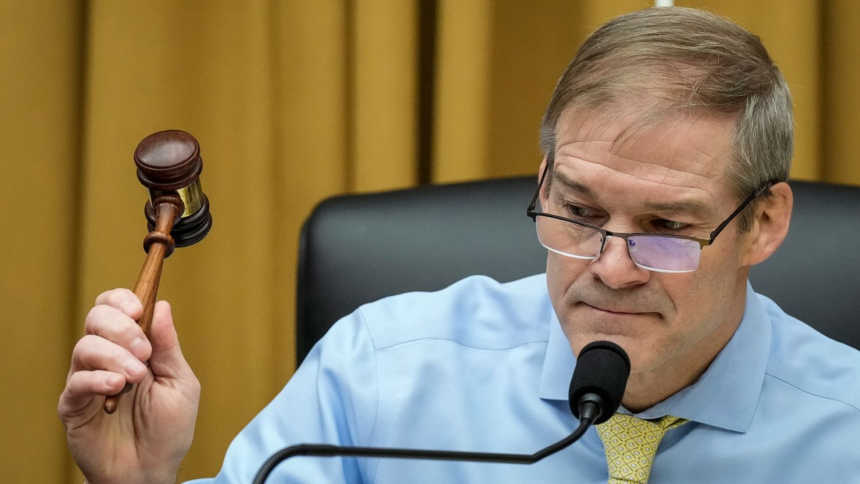
Jim Jordan: From Conservative Firebrand to Strategic Power Broker
Introduction: A Political Reinvention in Motion
Few figures in modern American politics embody transformation quite like Jim Jordan. Long known as one of the most combative conservatives in Congress, the Ohio Republican is now navigating a quieter but arguably more strategic phase of his career—one that could position him for a major leadership role in the near future.
- Introduction: A Political Reinvention in Motion
- The Rise of a Conservative Firebrand
- A Strategic Retreat—and Repositioning
- Building a Broader Coalition
- Policy Shifts and Political Calculations
- The Leadership Equation: Opportunity in Uncertainty
- A Changing Reputation
- Implications for U.S. Politics
- What Comes Next?
- Conclusion: A Political Evolution with High Stakes
As internal tensions rise within the Republican Party and uncertainty looms over control of the U.S. House, Jordan’s evolving political approach is drawing renewed attention. Once seen as too confrontational for leadership, he is now being reconsidered as a viable contender—particularly if Republicans lose their majority.
This shift reflects not only changing political circumstances but also a deliberate recalibration of Jordan’s own strategy.



The Rise of a Conservative Firebrand
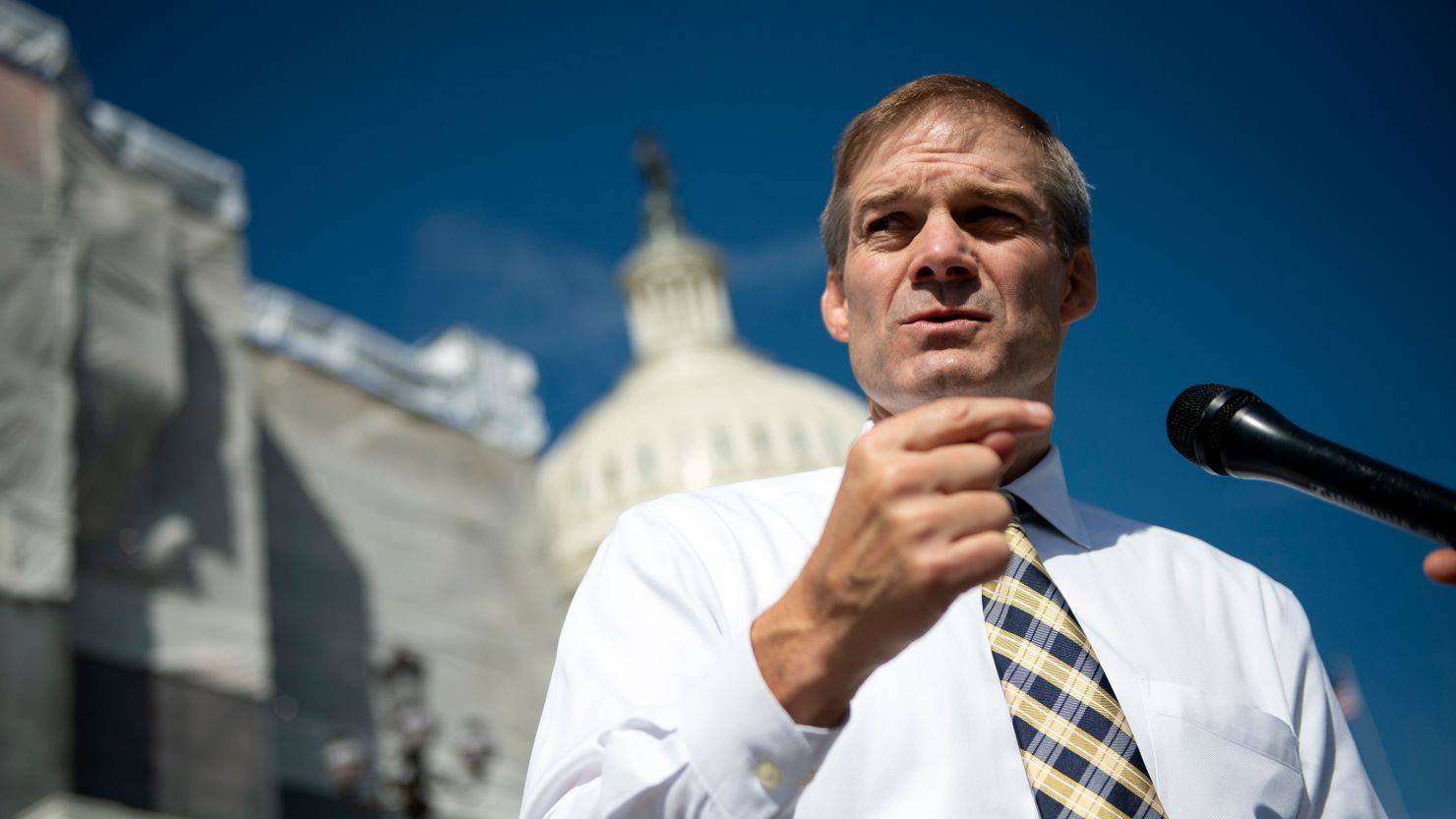
Jordan’s political identity was forged through confrontation. Since entering Congress in 2007, he built a reputation as a staunch conservative and a founding member of the House Freedom Caucus—a group known for challenging Republican leadership from within.
His aggressive oversight style, particularly in investigations involving Democrats, made him a prominent national figure. He became closely aligned with Donald Trump, often serving as one of the former president’s most vocal defenders.



This reputation, however, proved to be a double-edged sword.
When Jordan made his bid for Speaker of the House in 2023 following the ousting of Kevin McCarthy, his confrontational style alienated moderate Republicans. Despite securing strong support from conservatives, he failed to reach the required 218 votes needed to claim the speakership.
Dozens of GOP members opposed him, citing concerns about his ability to unify the conference and govern effectively. The result was a high-profile defeat that temporarily sidelined his leadership ambitions.
A Strategic Retreat—and Repositioning
Following his unsuccessful speakership bid, Jordan adopted a noticeably different approach.



Rather than remaining at the center of intra-party conflicts, he stepped back from public feuds and focused on strengthening relationships across the Republican conference. His role as chair of the House Judiciary Committee allowed him to maintain influence while avoiding unnecessary political friction.
At the same time, he increased his involvement in campaign efforts—traveling across the country to support Republican candidates, including those outside his traditional ideological circle.
This marked a significant departure from earlier years, when he was often criticized for refusing to assist colleagues who did not align with his hardline views.
Lawmakers have taken note of the shift. According to Republican insiders, Jordan has “broadened his base of support” and worked deliberately to build relationships with moderates and establishment figures within the party.
Building a Broader Coalition
Jordan’s efforts to expand his appeal go beyond campaign appearances.
He has also become more active in fundraising, contributing over $1.3 million to the National Republican Congressional Committee—an organization he previously distanced himself from.
This increased engagement reflects a calculated attempt to reposition himself as a team player rather than an ideological enforcer.
Republican lawmakers have acknowledged this evolution. One member noted that Jordan is “working every day to lay the groundwork,” signaling a long-term strategy aimed at securing leadership support.
Even critics have conceded that his efforts are yielding results, particularly among members who once opposed his leadership bid.
Policy Shifts and Political Calculations
Perhaps the most striking aspect of Jordan’s transformation is his shift on key policy positions.
A notable example is his stance on the Section 702 surveillance program. Previously a vocal critic advocating for strict reforms, Jordan now supports a short-term reauthorization—aligning with the priorities of the White House and Republican leadership.
He justified this shift by arguing that the program is now “fundamentally different because of the reforms we all worked on and got in place.”
This change has not gone unnoticed.
Some of his longtime allies in the conservative wing have expressed frustration, accusing him of softening his positions to advance his leadership prospects. One critic remarked that “the old Jim Jordan wouldn’t have done this.”
Others, however, see the move as pragmatic—an indication that Jordan understands the demands of leadership in a divided political environment.
The Leadership Equation: Opportunity in Uncertainty
Jordan’s renewed positioning comes at a pivotal moment for the Republican Party.
With growing concerns about retaining control of the House, speculation is mounting that Speaker Mike Johnson could step aside if Republicans lose their majority. This scenario would open the door for a new leader of the GOP conference.
Unlike the speakership, which requires a majority vote of the entire House, the role of minority leader only requires support from a majority of party members. This significantly lowers the barrier for candidates like Jordan.
Political observers suggest that this dynamic could work in his favor—especially if electoral losses reduce the number of moderate Republicans who previously opposed him.
At the same time, potential rivals such as Steve Scalise and Tom Emmer remain in the mix, ensuring that any leadership contest would be competitive.
A Changing Reputation
Jordan’s evolving role has also shifted how he is perceived within Congress.
Even political opponents have acknowledged his effectiveness. Jamie Raskin described him as an “able and effective political actor” with a strong understanding of the Republican agenda.
This recognition highlights a broader trend: Jordan is no longer seen solely as a disruptor but increasingly as a figure capable of shaping party strategy.
Still, challenges remain.
Some Republicans continue to harbor reservations about his past behavior, including the intense pressure campaigns directed at members during the 2023 speakership fight. Others worry that his polarizing record could be used against the party in future elections.
Implications for U.S. Politics
Jordan’s trajectory reflects larger shifts within American politics.
His transformation underscores the tension between ideological purity and political pragmatism—a balancing act that many leaders must navigate in an era of deep partisan divisions.
If he succeeds in securing a leadership role, it could signal a broader acceptance of combative political styles, particularly in opposition roles where confrontation is often seen as an asset.
At the same time, his efforts to moderate his image suggest that even the most ideologically driven politicians must adapt to changing political realities.
What Comes Next?
For now, Jordan remains publicly focused on helping Republicans maintain their majority.
“I am totally focused on keeping the majority, which I think we’re going to do,” he said when asked about future leadership ambitions.
But behind the scenes, the groundwork appears to be in place.
Should the political landscape shift after the next election cycle, Jordan may find himself closer than ever to the leadership position that once eluded him.
Conclusion: A Political Evolution with High Stakes
Jim Jordan’s journey from conservative firebrand to potential party leader is a case study in political adaptation.
His willingness to recalibrate—whether through relationship-building, fundraising, or policy adjustments—has reshaped his standing within the Republican Party.
Yet the path forward remains uncertain. His past continues to cast a shadow, even as his present efforts open new opportunities.
What is clear, however, is that Jordan is no longer operating from the margins. He is positioning himself at the center of the Republican Party’s future—and possibly its next chapter of leadership.