





Jim Jordan: Power, Controversy, and the Making of a Conservative Force in Congress
Few figures in modern American politics embody ideological consistency and combative legislative style as clearly as Jim Jordan. Known for his outspoken conservatism, sharp questioning in congressional hearings, and deep roots in grassroots Republican activism, Jordan has become one of the most recognizable—and polarizing—members of the U.S. House of Representatives.
- Early Life and Wrestling Roots: The Foundation of Discipline
- Entry Into Politics: From State Legislature to Congress
- Political Style: Confrontation as Strategy
- Personal Life: Wife, Children, and Private Stability
- Physical Profile: Height and Public Persona
- Net Worth: A Career Public Servant
- Controversies and Public Scrutiny
- Political Alliances and Influence
- Public Image: Then and Now
- Broader Implications: What Jim Jordan Represents
- Future Outlook: What Comes Next?
- Conclusion
This analytical feature examines his life, career trajectory, personal background, and the broader political implications of his rise, while addressing common public interest questions about his height, net worth, family, and political alliances.
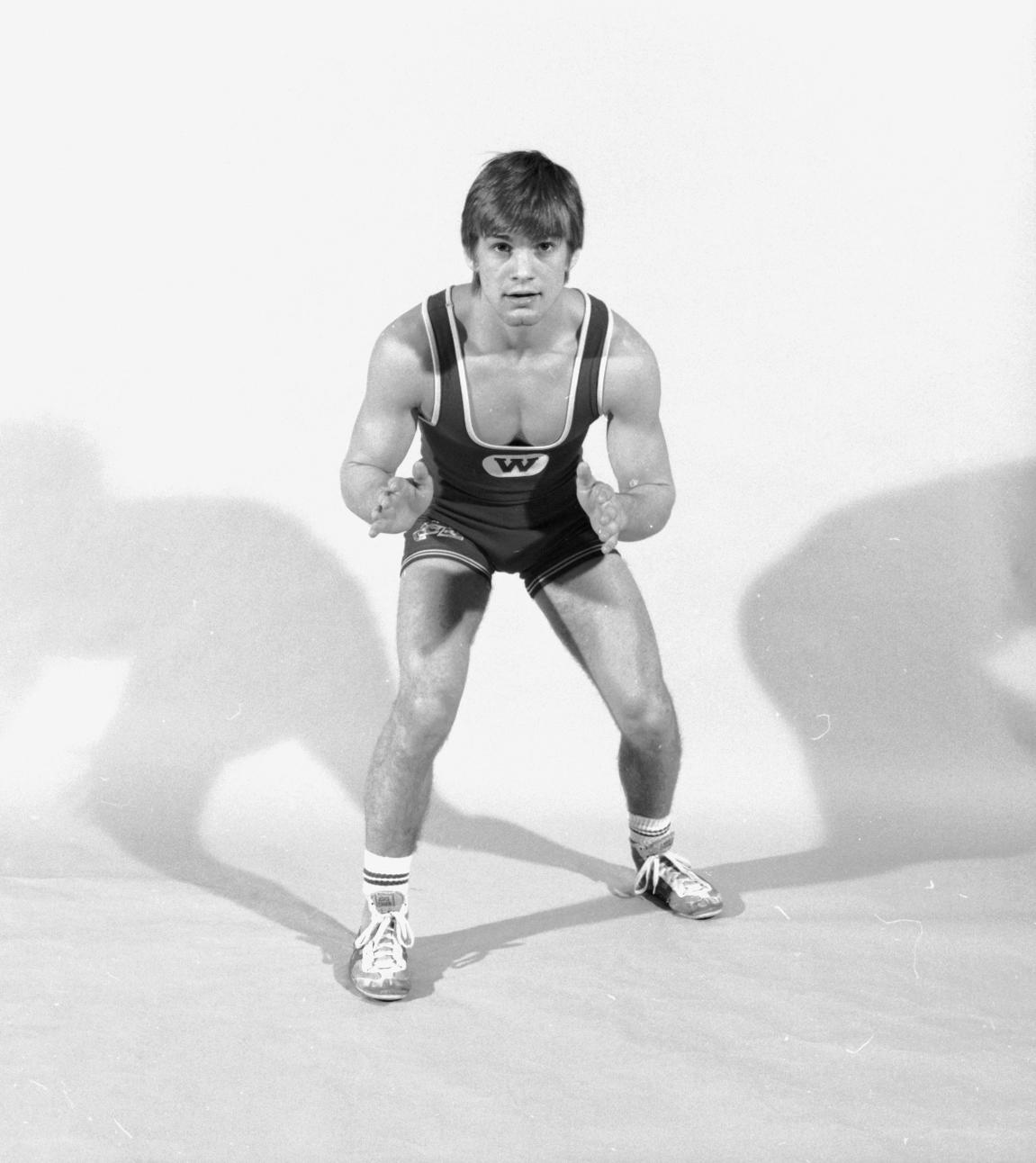
Early Life and Wrestling Roots: The Foundation of Discipline
Before politics, Jim Jordan’s identity was shaped by athletics. Born on February 17, 1964, in Urbana, Ohio, Jordan grew up in a working-class Midwestern environment that emphasized discipline, competition, and personal accountability.
His most notable early achievement came in wrestling. Jordan was a standout collegiate wrestler, winning two NCAA Division I championships at the University of Wisconsin–Madison. His wrestling background is not a minor footnote—it remains central to his political persona. The same intensity and persistence he demonstrated on the mat now define his approach in Washington.
After his competitive career, Jordan transitioned into coaching, working as an assistant wrestling coach at Ohio State University. This period would later become the subject of public scrutiny, shaping part of the narrative around “what happened to Jim Jordan” in later years.



Entry Into Politics: From State Legislature to Congress
Jordan’s political career began in the Ohio State Legislature, where he served in both the House and Senate. His ideological positioning was clear from the outset—firmly conservative, fiscally hawkish, and aligned with grassroots Republican movements.
In 2006, he was elected to the U.S. House of Representatives, representing Ohio’s 4th congressional district. Since then, he has built a reputation as a consistent advocate for limited government, lower taxes, and constitutional conservatism.
One of his defining roles came as a founding member of the House Freedom Caucus, a group of conservative lawmakers pushing for stricter adherence to right-leaning principles. Alongside allies such as Andy Biggs, Jordan has helped shape the caucus into a powerful force within the Republican Party.
Political Style: Confrontation as Strategy
Jordan’s political identity is inseparable from his aggressive questioning style in congressional hearings. Whether addressing issues related to government oversight, the justice system, or executive authority, he often adopts a prosecutorial tone.

This approach has made him a central figure in high-profile investigations and political debates. Supporters view him as a defender of accountability and constitutional limits. Critics, however, argue that his style contributes to partisan polarization.
From a strategic standpoint, Jordan’s influence lies less in legislative compromise and more in agenda-setting—shaping narratives, mobilizing conservative voters, and reinforcing ideological clarity within his party.
Personal Life: Wife, Children, and Private Stability
Despite his public visibility, Jordan maintains a relatively stable and low-profile personal life.
He is married to Polly Jordan, whom he met during his teenage years. Their long-standing relationship is often cited as an example of personal consistency amid political turbulence.
The couple has four children, and Jordan frequently emphasizes family values in both his personal and political messaging. Unlike many public figures, his family has largely remained outside the spotlight, contributing to a controlled and disciplined public image.
Physical Profile: Height and Public Persona
Jim Jordan stands at approximately 5 feet 7 inches (170 cm). While height is often a minor detail in political profiles, it is frequently searched and discussed in public interest queries.
In Jordan’s case, physical stature has little bearing on his political presence. His assertive communication style and high-energy demeanor often create a perception of dominance that transcends physical measurements.
Net Worth: A Career Public Servant
Jim Jordan’s net worth is relatively modest compared to many long-serving politicians. Estimates generally place it in the lower range for members of Congress, reflecting his career path as a public servant rather than a private-sector entrepreneur.
His financial disclosures indicate income primarily derived from his congressional salary and limited investments. This profile aligns with his political messaging around fiscal restraint and skepticism toward elite economic structures.
Controversies and Public Scrutiny
No comprehensive analysis of Jim Jordan is complete without addressing controversies that have shaped public perception.
During his time as an assistant wrestling coach at Ohio State University, allegations emerged regarding a former team doctor accused of misconduct. Questions were raised about whether Jordan was aware of the situation at the time.
Jordan has consistently denied knowledge of any abuse, and no legal charges have been filed against him. However, the issue remains part of the broader public discourse surrounding his career.
This episode illustrates a broader dynamic in modern politics: reputational narratives often persist regardless of legal outcomes, influencing both support and opposition.
Political Alliances and Influence
Jordan’s influence extends beyond his own district. As a key figure within conservative circles, he has played a role in shaping national Republican strategy.
His alignment with figures like Andy Biggs and other Freedom Caucus members has reinforced a bloc of lawmakers focused on ideological consistency over bipartisan compromise.
This positioning has both strengthened his standing among conservative voters and limited his appeal among moderates—a trade-off that reflects broader trends within American politics.
Public Image: Then and Now
Images of “Jim Jordan young” often highlight his wrestling days—lean, focused, and intensely competitive. Today, that same competitive energy defines his political identity.
The evolution is less about transformation and more about continuity. The discipline, resilience, and confrontational style developed in athletics have translated directly into his legislative career.
Broader Implications: What Jim Jordan Represents
Jim Jordan’s career is not just about one individual—it reflects larger structural shifts in American politics:
- Rise of ideological blocs: Groups like the Freedom Caucus demonstrate increasing factionalization within parties
- Media-driven politics: Jordan’s prominence is amplified by televised hearings and viral exchanges
- Decline of centrism: His career underscores the diminishing role of moderate, compromise-driven politics
In this sense, Jordan is both a product of and a contributor to the current political landscape.
Future Outlook: What Comes Next?
Looking ahead, Jim Jordan is likely to remain a central figure in conservative politics. His influence could expand depending on shifts within the Republican Party and broader electoral dynamics.
Potential future developments include:
- Continued leadership within congressional committees
- Greater influence in shaping party policy and messaging
- Possible roles in higher leadership positions within the House
However, his trajectory will depend on both internal party dynamics and external electoral outcomes.
Conclusion
Jim Jordan’s story is one of continuity—discipline from athletics, ideological consistency in politics, and a confrontational style that has defined his public career.
From his early days as a champion wrestler to his current role as a prominent U.S. Representative, Jordan represents a particular strain of American political identity: uncompromising, media-savvy, and deeply rooted in conservative principles.
Whether viewed as a principled defender of limited government or a symbol of political polarization, his impact on modern American politics is undeniable.