




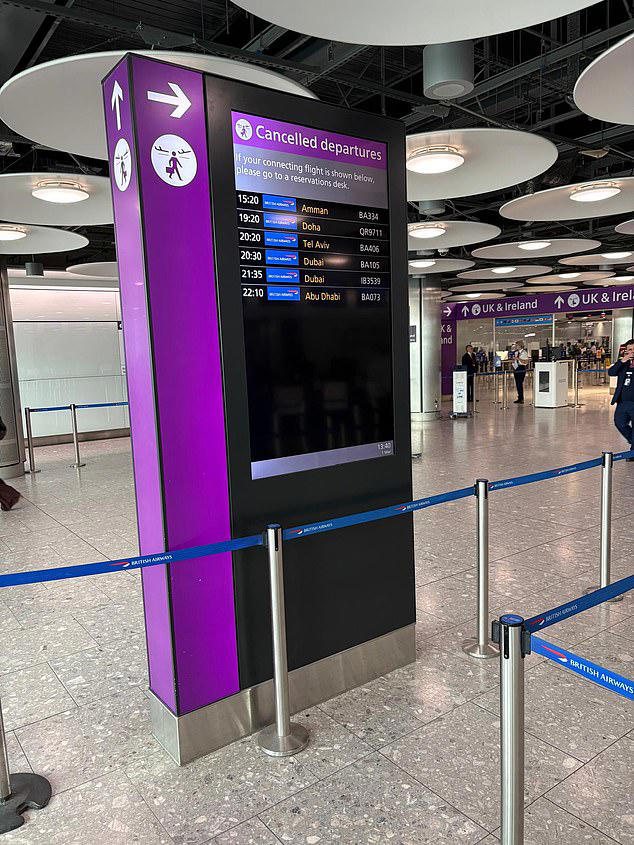
Airlines Cancel Flights as Jet Fuel Crisis Ripples Across Global Aviation
A Market Under Strain: When Fuel Becomes the Bottleneck
The global aviation industry is entering a period of unusual turbulence—not from weather, but from fuel. Airlines across Europe, Asia, and beyond are canceling flights, cutting routes, and raising fares as jet fuel becomes both more expensive and increasingly difficult to secure.
- A Market Under Strain: When Fuel Becomes the Bottleneck
- From Price Shock to Supply Shortage
- Airlines Respond: Cutting Flights and Capacity
- Rising Fares and Demand Pressure
- A System Under Constraint: Infrastructure and Logistics
- What Comes Next: A Fragile Outlook for Aviation
- Conclusion: A Crisis That Grounds More Than Flights
What began as a price shock has evolved into a supply crisis. The ongoing geopolitical conflict involving the United States, Israel, and Iran has disrupted key oil supply chains, particularly through the Strait of Hormuz—a critical artery for global energy flows. As a result, oil prices have surged past $100 per barrel, triggering a chain reaction that is now reshaping global air travel.
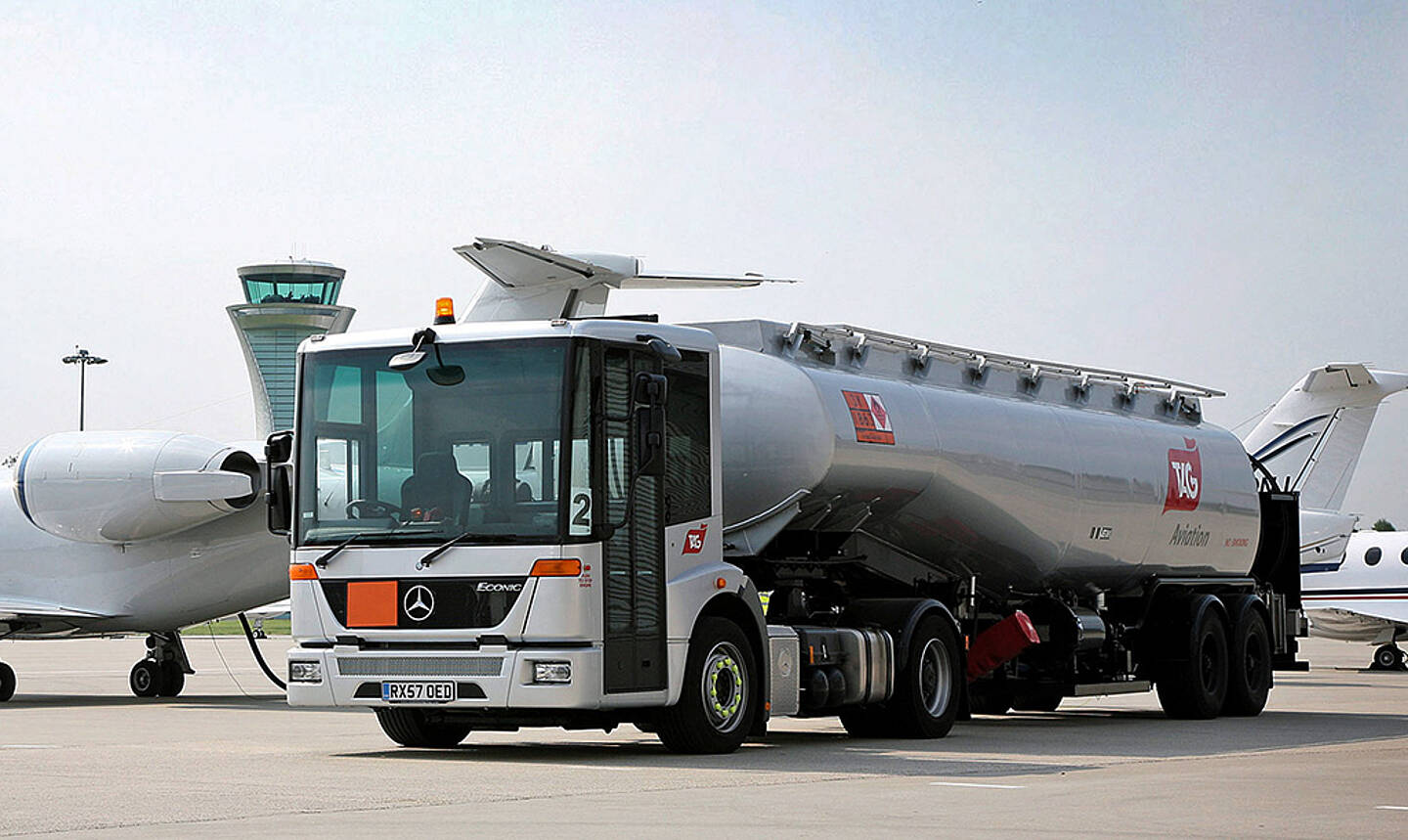
Jet fuel, a refined product dependent on steady crude oil supply and specialized storage infrastructure, has been especially affected. By the end of March, prices had reached approximately $195 per barrel—nearly double what they were just weeks earlier.
The consequences are now visible in airport schedules worldwide: fewer flights, higher ticket prices, and growing uncertainty.
From Price Shock to Supply Shortage
Initially, airlines responded to rising fuel costs in a familiar way—by increasing fares and introducing fuel surcharges. However, this crisis is different. It is not only about cost escalation; it is also about physical availability.


According to energy analysts, as much as 10 million barrels per day of oil supply has been removed from global markets due to disruptions linked to the conflict.
This has created a structural imbalance:
- Supply is shrinking rapidly
- Demand remains relatively resilient
- Inventory buffers are limited
The International Energy Agency has warned that oil supply losses in April could double compared to March, accelerating shortages of jet fuel and diesel.
Unlike previous oil shocks, where higher prices eventually balanced demand, this situation is constraining actual fuel availability. Analysts describe the market as moving toward rationing conditions, where access—not just affordability—determines operations.



Airlines Respond: Cutting Flights and Capacity
Airlines have begun implementing a range of defensive strategies to cope with the crisis. The most immediate—and visible—response has been flight cancellations and capacity reductions.
Europe: Preparing for Disruption
European carriers are bracing for a significant impact:
- Ryanair has warned that up to 10–20% of its fuel supply could be at risk if the conflict continues into summer, potentially forcing route reductions.
- Lufthansa is preparing contingency plans that could include grounding up to 40 aircraft.
- Scandinavian Airlines (SAS) plans to cancel around 1,000 flights, primarily on short-haul routes.
Operational constraints are already emerging. Airports in northern Italy have introduced fuel restrictions, prioritizing emergency and long-haul flights while limiting fuel loads for short-haul aircraft.
Asia: Immediate Impact and Aggressive Adjustments
Asia, which is more dependent on imported fuel, has been hit faster and harder.
- Vietnam Airlines has suspended multiple domestic routes and may reduce flight volume by up to 20%.
- AirAsia has cut about 10% of flights and raised ticket prices by 30%–40%.
- Batik Air Malaysia has slashed domestic capacity by 36% in response to what executives describe as a “crisis-mode” environment.
Airlines are also adopting less visible but costly operational changes:
- Carrying extra fuel from origin airports (“tankering”)
- Adding refueling stops on long-haul routes
- Reducing cargo loads to conserve fuel
These measures increase operating costs and reduce efficiency, further straining airline profitability.
United States and Pacific: Strategic Cuts and Hedging
Major U.S. and Pacific carriers are taking a more measured but still significant approach:
- United Airlines plans to cut unprofitable routes over the next two quarters, citing the potential for an additional $11 billion in annual fuel costs.
- Air New Zealand is reducing flights by about 5% and consolidating schedules to maintain service continuity.
- Some airlines, such as Delta, are partially insulated through vertical integration, including refinery ownership.
Even so, the broader industry remains exposed, particularly in regions heavily reliant on imported fuel.
Rising Fares and Demand Pressure
As airlines attempt to offset rising costs, passengers are beginning to feel the impact directly.
- Fuel surcharges have increased by up to 20%
- Ticket prices have risen between 30% and 40% on some routes
- Airlines such as Cathay Pacific have raised surcharges by over 30%
This has introduced a phenomenon known as demand destruction—where higher prices discourage discretionary travel, particularly leisure trips.
However, demand has not yet fallen enough to match the supply shortfall. Analysts estimate that flight cuts have reduced jet fuel demand by only 50,000 to 100,000 barrels per day in Asia, far below the supply deficit.
A System Under Constraint: Infrastructure and Logistics
Jet fuel presents unique logistical challenges that exacerbate the crisis:
- It requires specialized storage and handling
- Stockpiles are smaller compared to gasoline or diesel
- Distribution relies on stable refining and transport networks
As supplies tighten, governments and airports are increasingly considering rationing measures, prioritizing essential flights such as medical evacuations and long-haul international routes.
This introduces a new layer of operational complexity, where airlines must not only manage costs but also secure access to limited fuel supplies.
What Comes Next: A Fragile Outlook for Aviation
The trajectory of the crisis depends largely on geopolitical developments. However, several trends are already emerging:
1. Deeper Capacity Cuts
If supply constraints persist into peak travel seasons, airlines may be forced to cancel more flights and reduce network coverage further.
2. Sustained High Airfares
With fuel costs doubling in some cases, airlines are unlikely to reverse fare increases in the near term.
3. Increased Industry Consolidation Pressure
Smaller or financially weaker carriers may struggle to absorb rising costs, potentially accelerating consolidation in the sector.
4. Renewed Focus on Fuel Security
Governments and airlines are likely to revisit strategies around fuel storage, diversification of supply sources, and investment in alternative fuels.
Conclusion: A Crisis That Grounds More Than Flights
The current jet fuel crisis underscores how tightly global aviation is linked to energy markets and geopolitical stability. What began as a distant conflict has quickly translated into grounded aircraft, disrupted travel plans, and rising costs for millions of passengers.
More critically, it reveals a structural vulnerability: aviation remains highly sensitive to fuel shocks, with limited short-term alternatives.
As airlines continue to cancel flights and adjust operations, the industry is entering a period of recalibration—one that may redefine travel patterns, pricing structures, and operational strategies for years to come.