




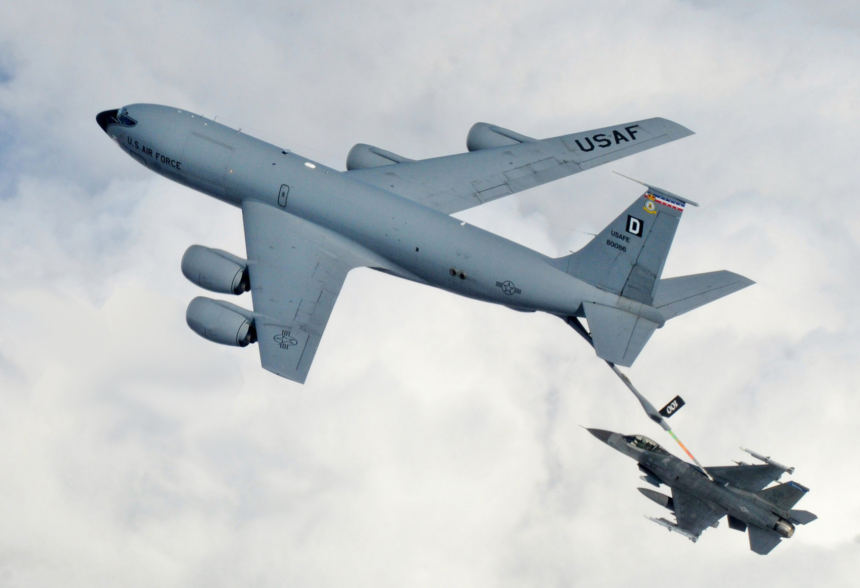
Jet Fuel Under Pressure: Why Rising Costs Are Reshaping Air Travel
A Critical Resource at the Center of Global Aviation
Jet fuel is one of the least visible yet most consequential components of the global aviation system. Every commercial flight—from short domestic routes to long-haul international journeys—depends on a steady, affordable supply of this highly refined petroleum product. But recent developments suggest that jet fuel is no longer just a background operational cost. It is rapidly becoming a defining force in airline economics, travel pricing, and even global mobility.
- A Critical Resource at the Center of Global Aviation
- The Immediate Shock: Rising Costs and Industry Reaction
- The Geopolitical Driver: Oil Markets and Conflict
- The Consumer Impact: Higher Airfares and Fees
- Industry Adaptation: Strategic Responses by Airlines
- Timing Matters: A Warning for Summer Travel
- The Broader Economic Implications
- Structural Vulnerability: Aviation’s Dependence on Fuel
- Looking Ahead: What Comes Next?
- Conclusion: A Hidden Cost Now in the Spotlight
Over the past weeks, a combination of geopolitical tensions, supply disruptions, and rising oil prices has placed jet fuel under intense pressure. Airlines, already operating on tight margins, are now confronting a renewed cost challenge that is rippling through the entire travel industry.
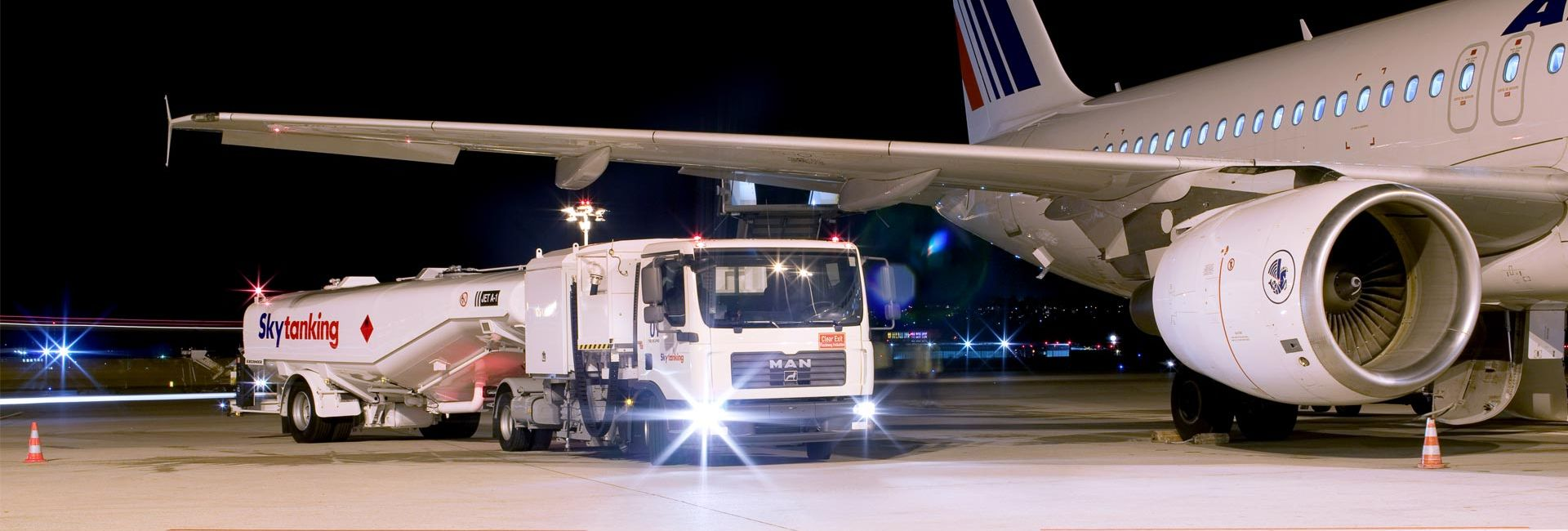
The Immediate Shock: Rising Costs and Industry Reaction
Recent reporting highlights a clear trend: airlines are facing higher jet fuel costs, and the financial impact is immediate. According to market discussions, these rising prices are directly affecting airline earnings and operational decisions.

The issue is not isolated. Across multiple reports, the pattern is consistent—jet fuel prices are surging, and airlines are responding by adjusting pricing, capacity, and in some cases, service availability.
In extreme cases, the situation has escalated beyond cost increases. Some carriers have begun canceling flights due to shortages linked to geopolitical conflict. This signals a shift from a pricing problem to a supply chain disruption—an escalation that has far-reaching implications.



The Geopolitical Driver: Oil Markets and Conflict
At the center of the current surge is instability in global oil markets, particularly linked to conflict involving Iran. As tensions escalate, oil supply concerns intensify, pushing prices higher across the energy sector—including aviation fuel.
Recent coverage confirms that the war is directly influencing jet fuel costs, with prices “surging” as a result of the geopolitical environment. This relationship is not surprising. Jet fuel is derived from crude oil, so any disruption in oil supply or expectations of future scarcity immediately translates into higher aviation fuel prices.
This dynamic highlights a structural vulnerability in aviation: airlines are deeply exposed to global energy markets, and even distant geopolitical events can significantly affect ticket prices and travel availability.
The Consumer Impact: Higher Airfares and Fees
For travelers, the effects are already visible. Airlines are passing increased fuel costs directly to passengers, primarily through higher ticket prices and additional fees.



Recent data shows a measurable spike in airfare. The lowest average airfare for a recent week reached $465—a 24% increase compared to the same period the previous year. This is not a marginal adjustment; it represents a substantial shift in travel affordability.
Beyond base ticket prices, ancillary costs are also rising. For example, baggage fees—traditionally a secondary revenue stream—are increasing as airlines seek to offset fuel-related expenses.
The cumulative effect is clear: travelers are paying more at every stage of the journey, from booking to boarding.
Industry Adaptation: Strategic Responses by Airlines
Airlines are not passive in the face of rising jet fuel costs. Instead, they are deploying a range of strategies to manage the financial impact:
1. Price Adjustments
The most immediate response is increasing ticket prices. This allows airlines to maintain margins, though it risks reducing demand.
2. Capacity Management
Some airlines are reducing flight frequencies or canceling routes altogether, particularly when fuel costs make certain routes unprofitable.
3. Ancillary Revenue Expansion
Fees for baggage, seat selection, and onboard services are being adjusted upward to compensate for higher operational costs.
4. Financial Tools and Consumer Incentives
Interestingly, the rise in travel costs has also increased attention on airline credit cards and loyalty programs. These tools are being positioned as ways for consumers to offset higher prices through rewards, credits, and travel perks.
Timing Matters: A Warning for Summer Travel
Travel experts are already advising consumers to act quickly. With jet fuel prices rising, summer travel is expected to become more expensive in the coming months.
The logic is straightforward: as airlines adjust pricing structures to reflect higher fuel costs, late bookings will likely face the steepest increases. This creates a short-term behavioral shift in the market, where early booking becomes not just advantageous but necessary.
The Broader Economic Implications
Jet fuel sits at the intersection of multiple economic systems—energy, transportation, and global trade. When its price rises, the effects extend beyond airlines.
Inflationary Pressure
Higher airfare contributes to broader inflation, particularly in travel and tourism sectors.
Tourism Impact
Destinations that rely heavily on international visitors may see reduced demand if travel becomes too expensive.
Business Travel Constraints
Companies may cut back on travel budgets, affecting industries that depend on face-to-face interactions.
Supply Chain Effects
Air cargo, which also relies on jet fuel, may become more expensive, indirectly influencing global goods pricing.
Structural Vulnerability: Aviation’s Dependence on Fuel
The current situation underscores a fundamental reality: aviation remains heavily dependent on fossil fuels. While there are ongoing efforts to develop sustainable aviation fuels (SAFs), they are not yet widely scalable or cost-competitive.
This leaves the industry exposed to:
- Oil price volatility
- Geopolitical disruptions
- Supply chain constraints
Until alternatives become viable at scale, jet fuel will continue to act as a key risk factor in airline operations.
Looking Ahead: What Comes Next?
Several possible developments could shape the trajectory of jet fuel and its impact on aviation:
Stabilization Scenario
If geopolitical tensions ease and oil supply stabilizes, jet fuel prices may moderate, bringing some relief to airlines and travelers.
Continued Volatility
If conflicts persist or escalate, fuel prices could remain elevated or increase further, leading to sustained high airfares.
Acceleration of Innovation
Rising costs may accelerate investment in alternative fuels and more fuel-efficient aircraft, potentially reshaping the industry over the long term.
Consumer Behavior Shift
Travelers may increasingly seek budget alternatives, shorter trips, or closer destinations to manage costs.
Conclusion: A Hidden Cost Now in the Spotlight
Jet fuel has always been a central cost in aviation, but recent developments have pushed it into the spotlight. What was once an operational detail is now a major driver of airline strategy, pricing, and consumer behavior.
The current surge in jet fuel prices—driven by geopolitical conflict and supply disruptions—is not just a temporary inconvenience. It is a reminder of how interconnected global systems are, and how quickly those connections can reshape everyday experiences like air travel.
For now, airlines, travelers, and policymakers are all adjusting to a new reality—one where the cost of fuel is no longer just a line item, but a defining factor in the future of aviation.