




Jet Fuel Shortage: How a Global Energy Shock Is Reshaping Aviation
A Crisis Taking Off Faster Than Airlines Can Respond
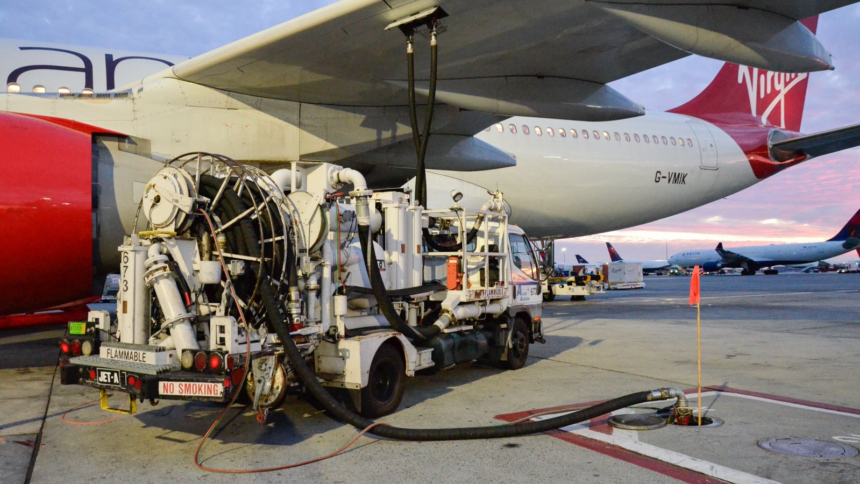
The global aviation industry is facing an escalating operational crisis as jet fuel shortages tighten supply and drive costs to unprecedented levels. What began as a surge in oil prices has rapidly evolved into a structural disruption affecting flight schedules, ticket pricing, and even the viability of certain routes.
- A Crisis Taking Off Faster Than Airlines Can Respond
- The Root Cause: A Supply Chain Breakdown
- Prices Surge, Supply Shrinks
- Airlines React: Cuts, Cancellations, and Cost Controls
- Why Aviation Is Hit First
- Broader Economic Consequences
- Summer Travel at Risk
- What Comes Next: A Market Moving Toward Rationing
- Conclusion: A Structural Shock, Not a Temporary Spike
At the center of this unfolding situation is a sharp supply shock linked to geopolitical tensions—specifically the ongoing conflict involving Iran. The consequences are now rippling through global energy markets and directly into airline operations, forcing carriers to make difficult decisions in real time.
The result is clear: flights are being canceled, fares are rising, and the stability of global air travel is under pressure.
The Root Cause: A Supply Chain Breakdown
The current jet fuel shortage is not simply a pricing issue—it is fundamentally a supply constraint problem.
Disruptions linked to the conflict have affected critical oil flows through the Strait of Hormuz, a key artery for global energy shipments. According to analysts, approximately 10 million barrels per day of oil supply have been removed from global markets, creating a significant imbalance between supply and demand.
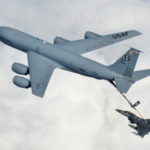


At the same time, oil is being trapped in storage facilities across the Middle East due to logistical bottlenecks. This has reduced availability even further, pushing crude oil prices above $100 per barrel and tightening downstream fuel production.
Jet fuel, which requires specialized refining and storage, has been particularly vulnerable. Unlike gasoline, it is not stockpiled in large quantities, making the aviation sector more exposed to sudden supply shocks.
Prices Surge, Supply Shrinks
The speed of the price escalation highlights the severity of the crisis.
- Jet fuel prices jumped to $195 by the end of March, nearly doubling from late February levels.
- In some markets, prices reached approximately $1.92 per litre, reflecting a global surge.
At the same time, supply availability has deteriorated. The International Energy Agency warned that oil losses in April could be twice as severe as in March, indicating that shortages may intensify in the near term.



Energy analysts have been blunt in their assessment. One described the situation as “the greatest energy crisis of a generation,” emphasizing that there is effectively “no spare capacity” left in the system.
Airlines React: Cuts, Cancellations, and Cost Controls
Faced with rising costs and limited supply, airlines are rapidly adjusting their operations.
Europe: Preparing for Disruption
European carriers are among the most exposed to tightening fuel supplies.
- Ryanair is considering reducing routes and warned of potential disruptions by May.
- Lufthansa has developed contingency plans and may ground up to 40 aircraft.
- Scandinavian Airlines (SAS) plans to cancel approximately 1,000 flights, particularly on short-haul routes.
In parts of Europe, the crisis has already reached airport operations. Several northern Italian airports have imposed strict fuel limits, prioritizing emergency and long-haul flights while restricting short-haul operations to minimal fuel loads.
Asia: Immediate Impact on Routes and Pricing
Asian airlines have moved quickly to contain losses.
- Vietnam Airlines has suspended multiple domestic routes and may cut capacity by up to 20%.
- AirAsia has reduced flights by 10% and increased fares significantly.
AirAsia’s CEO described the situation starkly, noting that jet fuel costs surged from $90 to $200 per barrel, calling it the airline’s “most serious challenge.”
Ticket prices across the region have risen sharply, in some cases by 30% to 40%, with fuel surcharges increasing by up to 20%.
North America and Beyond: Strategic Adjustments
Airlines outside the most affected regions are not immune.
- United Airlines is cutting unprofitable routes and off-peak flights, warning that current fuel prices could add $11 billion in annual costs—more than double its best yearly profit.
- Air New Zealand plans to reduce flights by about 5%.
Executives are increasingly focusing on “capacity discipline,” eliminating routes that cannot sustain rising fuel expenses.
Why Aviation Is Hit First
The aviation sector is uniquely sensitive to fuel shocks.
Unlike other industries, airlines cannot easily absorb rising fuel costs. Fuel typically represents one of the largest components of operating expenses, and price increases are quickly passed on to consumers.
Analysts note that air travel is largely discretionary. As prices rise, demand falls—especially for leisure travel—forcing airlines to reduce capacity rather than operate at a loss.
This dynamic creates a feedback loop:
- Fuel prices increase
- Ticket prices rise
- Passenger demand falls
- Airlines cut flights
The result is a contraction in global air travel activity.
Broader Economic Consequences
The implications extend beyond airlines.
Jet fuel and diesel are critical to global transportation systems, including air freight, logistics, and even heating in some regions. A sustained shortage risks slowing economic activity across multiple sectors.
Industry observers warn that:
- Supply shortages could trigger widespread flight cancellations
- Airlines may face financial instability or bankruptcy
- Global trade and tourism could decline
One aviation expert noted that the scale of disruption has not been seen in over 50 years, underscoring the systemic nature of the crisis.
Summer Travel at Risk
Timing is another critical factor.
The crisis is unfolding just ahead of the peak summer travel season—a period when airlines typically operate at maximum capacity. If fuel shortages persist, the industry could face:
- Reduced flight availability
- Higher ticket prices
- Increased delays and disruptions
Airlines have already warned that summer routes could be cut if supply conditions do not improve.
What Comes Next: A Market Moving Toward Rationing
Analysts suggest the market may be heading toward fuel rationing.
With supply unable to meet demand, prices alone may not be sufficient to rebalance the market. Instead, access to fuel could become a limiting factor, forcing airlines to prioritize certain routes and operations.
Short-term buffers such as strategic reserves and inventories are helping, but they are limited. If disruptions continue, shortages are expected to spread from Asia into Europe and beyond.
Conclusion: A Structural Shock, Not a Temporary Spike
The jet fuel shortage is not a routine market fluctuation—it represents a structural disruption with global consequences.
Driven by geopolitical conflict, constrained supply chains, and limited storage capacity, the crisis is reshaping how airlines operate and how passengers travel. The immediate effects—flight cancellations, higher fares, and reduced capacity—are already visible.
What remains uncertain is duration. If supply disruptions persist, the aviation sector could face deeper cuts, prolonged instability, and a fundamental shift in global travel patterns.
For now, one outcome is clear: the era of abundant, predictable jet fuel supply has been temporarily replaced by scarcity—and the aviation industry is being forced to adapt in real time.