



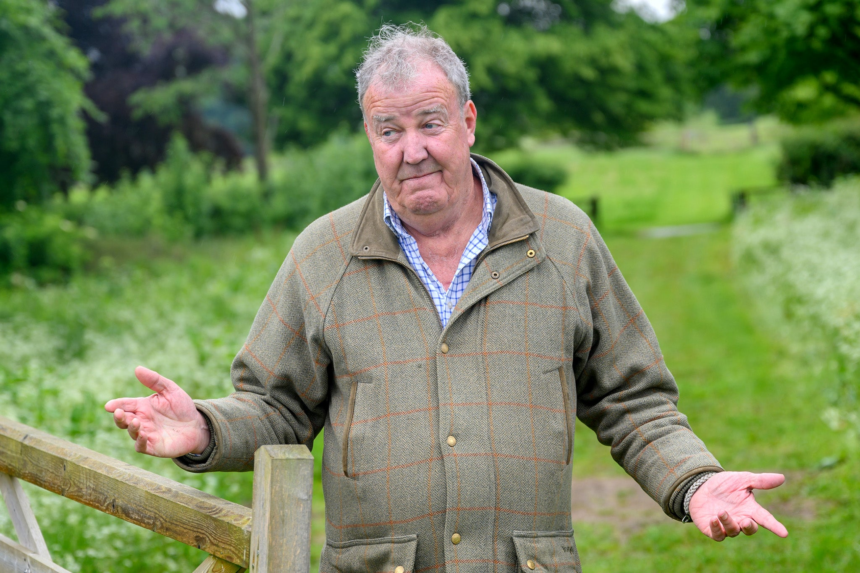
Jeremy Clarkson Net Worth: How a TV Icon Built a Multi-Million Empire
Introduction: From Motoring Journalist to Media Powerhouse
Few television personalities have managed to turn niche expertise into global commercial success quite like Jeremy Clarkson. Known for his outspoken personality, sharp humor, and deep passion for cars, Clarkson has spent decades building a brand that stretches far beyond television.
- Introduction: From Motoring Journalist to Media Powerhouse
- The Foundation: Top Gear and the Rise of Global Fame
- The Turning Point: BBC Exit and Amazon Deal
- Clarkson’s Farm: A New Revenue Stream with Real Risks
- Income Breakdown: Where the Money Comes From
- The Reality Behind the Wealth
- Cultural and Commercial Impact
- What Comes Next: Future Outlook
- Conclusion: A Net Worth Built on Strategy, Not Just Fame
Today, his financial standing reflects that journey. Estimates place Jeremy Clarkson’s net worth at approximately £59 million (around $80 million), a figure shaped by television, publishing, business ventures, and more recently, farming.
However, the story behind that wealth is more complex than headline figures suggest. It involves strategic ownership, global media distribution, and a surprising agricultural pivot that has both boosted and challenged his finances.
The Foundation: Top Gear and the Rise of Global Fame
Clarkson’s financial trajectory is inseparable from his work on Top Gear, where he became one of the most recognizable faces in British television.
Initially earning a relatively modest salary—reported at around £1 million annually—his real wealth came from something far more valuable: ownership stakes and profit participation.
Through the production company Bedder 6, Clarkson benefited from:
- International syndication across 100+ countries
- DVD and merchandise sales
- Licensing deals tied to the Top Gear brand
At its peak, these revenue streams reportedly pushed his annual earnings to around £10 million.
This structure—combining salary with equity—transformed Clarkson from a presenter into a stakeholder in a global entertainment franchise.
The Turning Point: BBC Exit and Amazon Deal
In 2015, Clarkson’s departure from the BBC marked a major inflection point. While controversial, it ultimately led to one of the most lucrative deals in television.

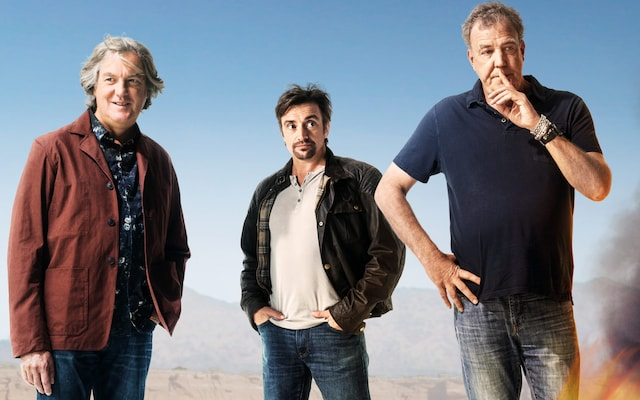
Alongside Richard Hammond and James May, Clarkson signed a reported £160 million multi-season agreement with Amazon for The Grand Tour.
His personal earnings from this deal were estimated at:
- £10–£15 million per year
- Including hosting and production roles
This move reinforced a key principle in Clarkson’s financial strategy: aligning himself with platforms that offer both visibility and backend revenue participation.
Clarkson’s Farm: A New Revenue Stream with Real Risks
In recent years, Clarkson has reinvented himself through Clarkson’s Farm, filmed at his Diddly Squat Farm in the Cotswolds.
The show has been a commercial success, running multiple seasons with strong global demand.
It has generated income through:
- Streaming rights
- Brand partnerships
- Increased visitor traffic to the farm
Yet the farming operation itself tells a different story.
Clarkson openly revealed financial struggles tied to agriculture, stating:
“It looks like this year’s harvest will be catastrophic.”
He further disclosed that in the 2024–25 farming year:
- He lost about £5,000
- After earning less than £15,000 the previous year
This contrast highlights a critical insight: while Clarkson’s media brand is highly profitable, farming itself remains a low-margin, high-risk venture.
Income Breakdown: Where the Money Comes From
Clarkson’s net worth is diversified across several core income streams:
1. Television and Streaming
- Top Gear (BBC era earnings and dividends)
- The Grand Tour (Amazon contract)
- Clarkson’s Farm (ongoing success)
2. Journalism and Publishing
He continues to write columns for major publications, including long-standing roles in newspapers.
3. Books and Media Content
Clarkson has authored multiple books, many of which are compilations of his columns and commentary.
4. Business Interests
- Production company revenues
- Licensing and syndication income
- Merchandise and brand partnerships
5. Real Estate and Assets
Clarkson owns substantial property, including land in the Cotswolds, which contributes to his overall asset base.
The Reality Behind the Wealth
Despite a net worth estimated at $80 million, Clarkson’s financial narrative is not purely about accumulation. It reflects:
- The volatility of creative industries
- The importance of intellectual property ownership
- The unpredictability of agricultural business
His candid comments about farming profits underscore a broader issue affecting the agricultural sector:
“Farmers are working twice as hard… and not even getting the minimum wage.”
This dual identity—wealthy media figure and struggling farmer—has become central to Clarkson’s public image in recent years.
Cultural and Commercial Impact
Clarkson’s influence extends beyond personal wealth. He has:
- Helped transform automotive journalism into mainstream entertainment
- Played a key role in making Top Gear a global phenomenon
- Brought widespread attention to farming economics through Clarkson’s Farm
His ability to shift industries—from motoring media to agriculture storytelling—has kept him commercially relevant across decades.
What Comes Next: Future Outlook
Looking ahead, Clarkson’s financial future is likely to remain stable, driven by:
- Continued success of Clarkson’s Farm (with new seasons already planned)
- Ongoing media and publishing work
- Potential expansion of farm-related commercial ventures
However, the farming side of his portfolio will likely continue to face structural challenges tied to weather, costs, and market conditions.
Conclusion: A Net Worth Built on Strategy, Not Just Fame
Jeremy Clarkson’s net worth is not simply the result of television success. It is the outcome of:
- Strategic ownership in high-value media properties
- Long-term brand positioning
- Willingness to pivot into new ventures
At approximately £59 million ($80 million), his wealth reflects both the rewards of global entertainment and the realities of modern business diversification.
His journey illustrates a broader principle: sustained wealth in media is rarely about salary alone—it is about control, leverage, and adaptability.