Jeff Conaway Net Worth, Relationships, Age/Birthdate & Birthday
Overview of Jeff Conaway — net worth, relationships, age/birthdate, and birthday.
 loveness92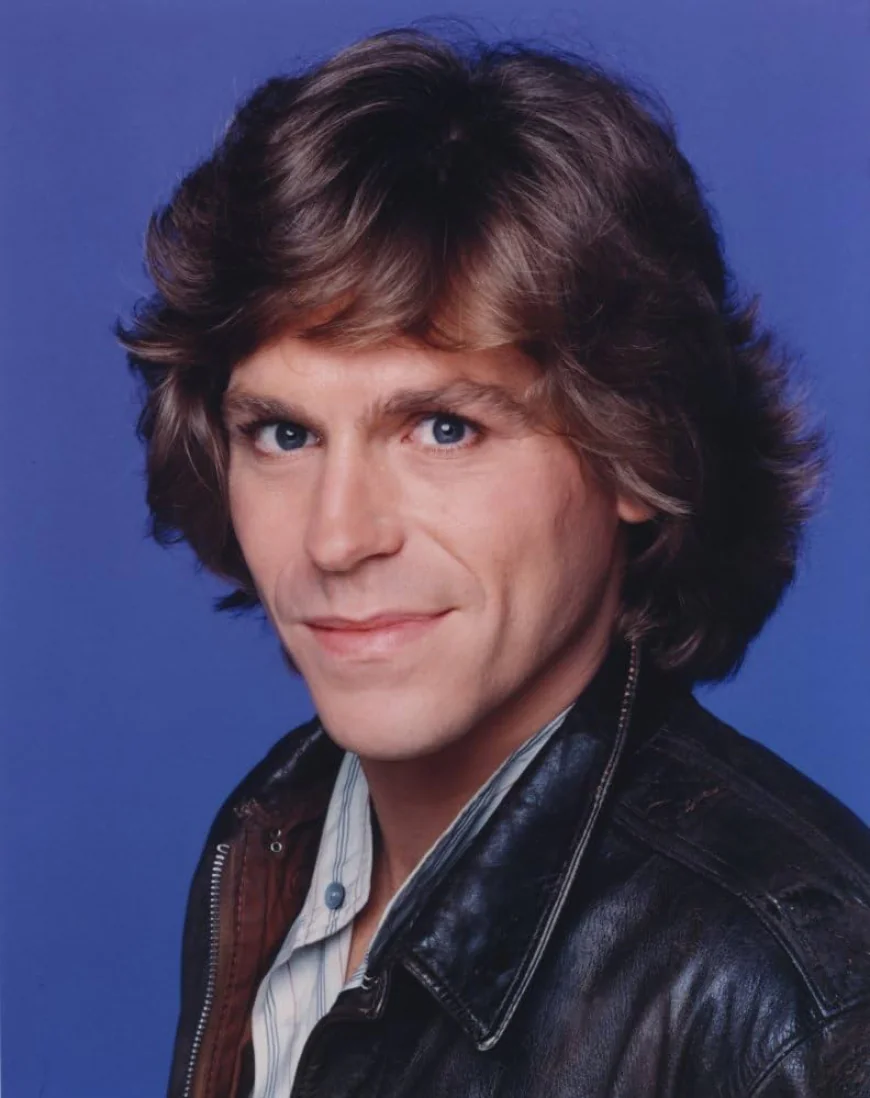
A Star Who Burned Bright — and Faded Too Soon
Jeffrey Charles William Michael Conaway was born on October 5, 1950 in Manhattan, New York. From a childhood steeped in performance — his mother was a music-teacher and actress — he grew into one of Hollywood’s most recognizable faces from the late 1970s into the 1990s. Conaway’s life, however, was a tapestry of early triumphs, persistent struggle, and a legacy marked by both brilliance and tragedy.
From Broadway Roots to Pop-Culture Icon
Conaway’s first taste of the stage came young. Raised in New York and briefly in South Carolina (where he developed a mild Southern lilt), he landed a childhood role in the Broadway play All the Way Home, and later toured with the national company of Critic's Choice.
Following high school, he studied at the North Carolina School of the Arts before transferring to New York University (NYU). During these years, he also strummed guitar and sang for a rock band as a teenager — a hint of his musical leanings beyond acting.
His big break came in musical theatre: Conaway was part of the original Broadway cast of Grease, initially as understudy before stepping into the lead role of Danny Zuko. That stage-to-screen leap would define much of his early fame.
In 1978, he joined the film version of Grease — not as Zuko but as Kenickie, the tough-but-lovable rebel. The role anchored Conaway in the pantheon of 1970s pop-culture icons.
Within the same year, he landed what many consider his signature television role: Bobby Wheeler, the well-meaning but overworked cabbie-aspiring actor in the sitcom Taxi (1978–1982). His performance earned him two consecutive nominations for the Golden Globe Award.
Later, Conaway diversified — appearing in shows such as Wizards and Warriors and, most enduringly for sci-fi fans, Babylon 5 as Zack Allan, the tough, principled security chief. That role, which he played from 1994 to 1998, introduced him to a whole new generation.
He also returned, occasionally, to music. As a young man, he had been part of a band; later, he recorded a self-titled album under a major label.
Life Off-Camera: Relationships, Struggles, and Vulnerabilities
Conaway’s personal life was as eventful — and turbulent — as his career. He married three times: a brief annulled union in the early 1970s; a second marriage to Rona Newton-John (sister of his Grease co-star) from 1980 to 1985; and a third to Kerri Young from 1990 until their divorce in 2000.
Beyond formal marriages, Conaway had a long-term relationship later in life with Vikki Lizzi. Their relationship — marked by turbulence and reconciliation — was widely discussed, especially after his health crisis in 2011.
Despite professional successes, Conaway faced deep personal demons. A back injury, sustained during filming, led to chronic pain. Over time, the pain and pressure contributed to a serious struggle with substance abuse.
By the mid-2000s, the toll was evident. He participated in reality-TV shows — including Celebrity Rehab with Dr. Drew — publicly confronting addiction to painkillers, alcohol, and cocaine; explaining how chronic pain, enablers and desperation had pushed him to the edge.
A Modest Estate: The Financial Side of Fame
Despite the prominence of his roles, by the time of his death in 2011, Conaway’s financial situation was modest. Multiple sources estimate that his net worth was approximately US $250,000.
Several factors may have contributed to this outcome — including periods of inconsistent work, the costs associated with prolonged health and addiction struggles, and the general volatility of acting careers beyond one’s peak years. Still, his cultural impact remained far larger than the numbers on his bank statement.
The Final Chapter: Illness, Coma, and Legacy
In May 2011, Conaway was found unconscious at home. Initially described as a suspected prescription-medication overdose (used to manage chronic pain), the medical picture soon clarified: he was suffering from pneumonia and sepsis, exacerbated by his long-standing addiction and general health decline.
He was placed in a medically induced coma; on May 27, 2011, his family — facing the grim prognosis — decided to disconnect life support. The official cause of death was listed as pneumonia, sepsis, and aspiration complications tied to drug use.
In many ways, Conaway’s death served as a cautionary tale: a vivid reminder of how chronic pain, pressures of fame, and substance dependency can converge with devastating consequences.
Why Jeff Conaway’s Story Still Resonates
Jeff Conaway’s life reads like a Hollywood odyssey. He soared from stage childhood to singing-guitarist-teen, then to breakout star in a cultural phenomenon (Grease), and finally to TV-mainstay and sci-fi icon in Babylon 5. But beneath the charisma and talent lurked vulnerabilities — physical pain, addiction, and the relentless pressures of show business.
Today, fans and retrospectives often reflect on him with a mixture of admiration and sorrow: admiration for the roles that defined an era; sorrow that his personal battles overshadowed what might have been a longer, more stable career.
His story remains deeply human — success, struggle, hope, and tragedy entwined. For many, Jeff Conaway is not just Kenickie or Bobby Wheeler or Zack Allan. He’s proof that even bright stars can dim too soon — and that the man behind the persona matters just as much.