


Jean-Paul Rouve: From Comedy Roots to National Honor
A Career That Blends Humor, Depth, and Longevity
Few figures in contemporary French cinema have demonstrated the range, consistency, and cultural resonance of Jean-Paul Rouve. Born on January 26, 1967, in Malo-les-Bains near Dunkirk, Rouve has built a career that moves fluidly between mainstream comedy, serious drama, and thoughtful filmmaking.
- A Career That Blends Humor, Depth, and Longevity
- Early Foundations: Theatre, Collaboration, and Breakthrough
- Breakthrough and Recognition in Cinema
- The “Les Tuche” Phenomenon: A Cultural Staple
- Behind the Camera: A Director with Narrative Sensitivity
- Current Work (2025–2026): A Multi-Platform Presence
- Personal Life: A Public Figure with Personal Charm
- Cultural Impact and Legacy
- What Comes Next
- Conclusion
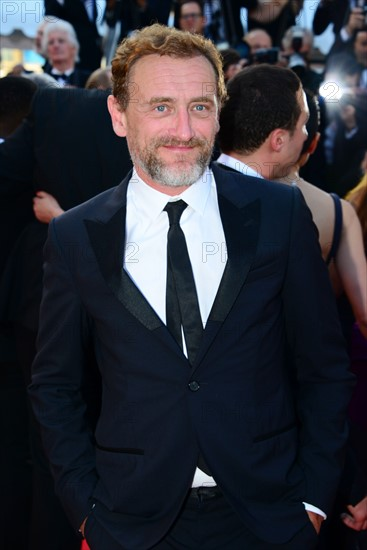
As of March 24, 2026, his stature in French cultural life reached a new milestone when he was awarded the prestigious Légion d’honneur (Knight of the Legion of Honor) by Emmanuel Macron at the Élysée Palace—an honor that underscores decades of contribution to French cinema and storytelling.
Early Foundations: Theatre, Collaboration, and Breakthrough
Rouve’s journey into acting began with formal training at the Cours Florent drama school in Paris, where he studied under Isabelle Nanty. It was here that he formed lasting creative partnerships with peers such as Pierre-François Martin-Laval, Marina Foïs, and Maurice Barthélemy—collaborators who would later shape his early success.
Together, they formed the comedy troupe Les Robins des Bois, which rose to prominence on Canal+ in the late 1990s. The group’s absurdist humor and satirical sketches quickly gained a loyal audience, positioning Rouve as a distinctive comedic voice in French entertainment.
This early exposure was not simply a stepping stone—it defined his comedic instincts and timing, elements that continue to underpin his work today.


Breakthrough and Recognition in Cinema
Rouve’s transition from television comedy to cinema was both swift and impactful. His performance in Monsieur Batignole (2002) earned him the César Award for Most Promising Actor in 2003, a recognition that confirmed his arrival as a serious talent in French film.
Over the years, he has appeared in more than 70 film and television productions, ranging from commercial comedies to critically acclaimed dramas. His versatility is evident in films such as:
- Asterix & Obelix: Mission Cleopatra (2002)
- RRRrrrr!!! (2004)
- Those Happy Days (2006)
- La Vie en Rose (2007)
- Le Consentement (2023)
This breadth of work illustrates an actor comfortable navigating tonal extremes—moving from exaggerated comedic roles to emotionally grounded performances.
The “Les Tuche” Phenomenon: A Cultural Staple
While Rouve’s filmography is diverse, his most recognizable role remains Jeff Tuche in the Les Tuche franchise. The character—a lovable, eccentric patriarch—has become a fixture in French popular culture.



The series, which began in 2011, has evolved into a major commercial success, with its fifth installment, God Save the Tuche (2025), continuing the franchise’s strong box office performance.
Rouve’s portrayal of Jeff Tuche is notable not just for its humor, but for its subtle social commentary. The films often explore themes of class, family dynamics, and French identity, all wrapped in accessible comedy.
Behind the Camera: A Director with Narrative Sensitivity
Beyond acting, Rouve has established himself as a capable and thoughtful director. His directorial projects reflect a more introspective and narrative-driven approach compared to his on-screen comedic persona.
Key works include:
- Sans arme, ni haine, ni violence (2008)
- Les Souvenirs (2014)
- Lola & Her Brothers (2018)
These films demonstrate his interest in human relationships, memory, and emotional nuance. Unlike many actors-turned-directors, Rouve’s filmmaking is not an extension of his acting career—it is a parallel discipline with its own distinct voice.
Current Work (2025–2026): A Multi-Platform Presence
Rouve remains highly active across multiple creative platforms:
Theatre
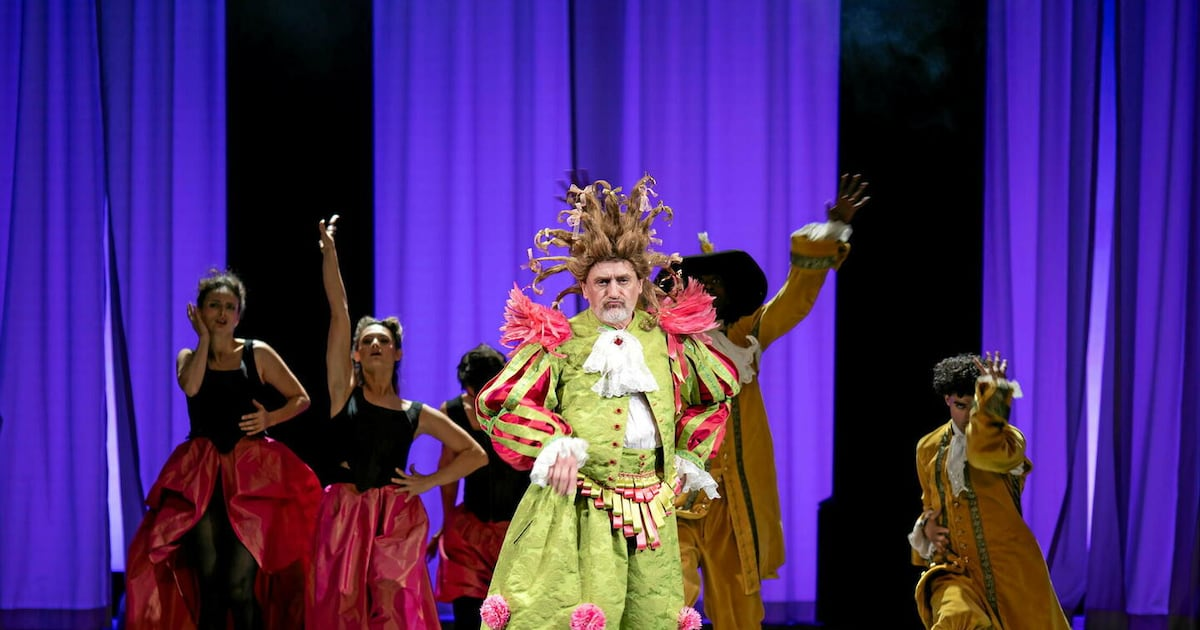
He is currently performing in Molière’s Le Bourgeois gentilhomme at the Théâtre Antoine in Paris, returning to his theatrical roots with a classic French text.
Film
God Save the Tuche (2025), which he both directed and starred in, reinforces his continued relevance in mainstream cinema.
Television
He stars in the crime-comedy series Polar Park (2023–present), set in the Jura mountains. The show blends mystery with humor, aligning closely with Rouve’s established strengths.
Personal Life: A Public Figure with Personal Charm
Despite his public profile, Rouve maintains a relatively grounded personal life. Born and raised in northern France, he retains strong ties to his roots.
One detail that has captured public attention is his Jack Russell terrier, Gtro. The dog even accompanied him to the Élysée Palace for his Legion of Honor ceremony—wearing a tie—adding a moment of levity to an otherwise formal occasion.
He has also shared part of his personal life with novelist Bénédicte Martin, with whom he has a son .
Cultural Impact and Legacy
Jean-Paul Rouve’s influence extends beyond individual performances or films. He represents a particular model of French artistry—one that values versatility, collaboration, and longevity.
His career reflects several key contributions:
- Bridging comedy and drama without being confined to either
- Elevating mainstream French cinema through accessible storytelling
- Expanding into directing with a distinct narrative voice
- Maintaining relevance across decades, from the 1990s to today
The awarding of the Légion d’honneur is not simply symbolic—it marks recognition of a body of work that has shaped modern French entertainment.
What Comes Next
Looking ahead, Rouve’s trajectory suggests continued diversification. With active roles in theatre, television, and film—and a proven ability to direct commercially successful projects—he remains positioned to influence the next phase of French cinema.
There is also growing interest in how his directorial work may evolve, particularly as audiences increasingly seek character-driven, emotionally grounded storytelling.
Conclusion
Jean-Paul Rouve’s career is defined by range, adaptability, and sustained cultural relevance. From his early days with Les Robins des Bois to receiving one of France’s highest honors, he has consistently navigated the evolving landscape of entertainment with precision.
Whether as Jeff Tuche, a dramatic actor, or a filmmaker, Rouve continues to occupy a unique position in French culture—one that blends humor, humanity, and craftsmanship.