James Last Net Worth, Relationships, Age/Birthdate & Birthday Facts
Explore James Last net worth, relationships, age/birthdate, and birthday — from his humble beginnings to global success as a legendary bandleader.
 loveness92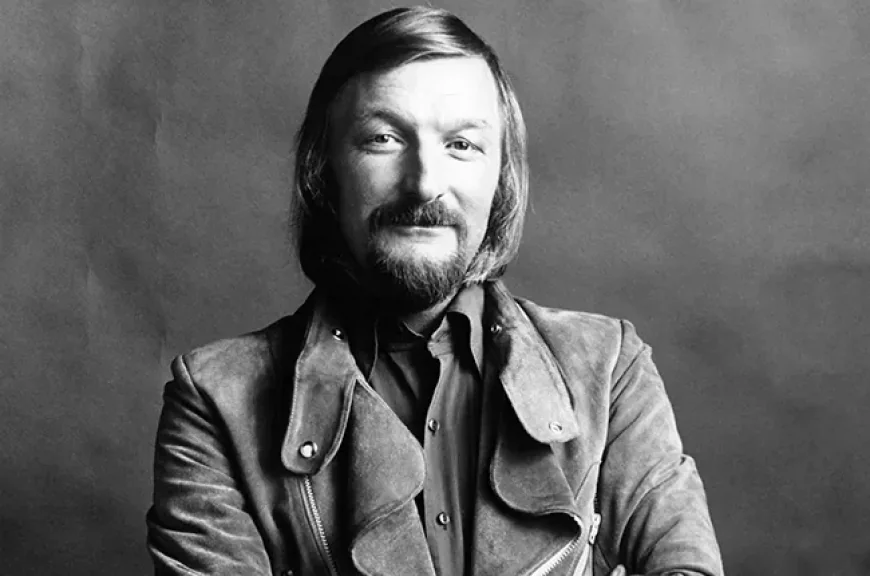
James Last Net Worth, Relationships, Age/Birthdate & Birthday
James Last is a legendary German bandleader, composer, and arranger best known for his “Happy Sound” — a globally beloved style of easy-listening orchestral music that sold millions of records worldwide.
Introduction
James Last (born Hans Last on April 17, 1929) became one of the most commercially successful bandleaders of the 20th century. With an estimated net worth of US$100 million at the time of his passing, he left behind a legacy of cheerful orchestral music that resonated across generations and continents.
Though James Last passed away on June 9, 2015, his story continues to fascinate music lovers — from early post-war Germany to sold-out concert halls worldwide. This profile explores his wealth, personal life, and the journey behind his global success.
Quick Facts
| Category | Details |
|---|---|
| Full Name | Hans Last (known professionally as James Last) |
| Age / Birthdate | April 17, 1929 |
| Birthday | April 17 |
| Nationality | German |
| Profession | Bandleader, composer, arranger, record producer, musician |
| Estimated Net Worth | US$100 Million (at time of death) |
| Relationship Status | Married — to Waltraud Wiese (1955–1997) and then to Christine Grundner (from 1999 until his death) |
| Known For | Pioneering “Happy Sound” easy-listening orchestral music; selling millions of albums; leading the James Last Orchestra; global concert tours; chart-topping albums in Germany and the UK. |
From War-Torn Bremen to Musical Breakthrough
Born Hans Last on April 17, 1929 in Bremen, Germany, James Last grew up in a modest working-class household. His father, Louis Last, worked for the city utility and played bandoneon and drums as a hobby. Music was woven into daily life: young Hans began learning piano at around age 10.
As World War II engulfed Europe, his formal schooling — and early artistic ambitions — were disrupted. Yet even in those difficult times, music remained a refuge. At 14, Last enrolled in a military music school, but the wartime closure of the institution cut short his classical training.
In the aftermath of war, determined to stick with music, Last turned to performance. By 1946 he was playing double bass in the dance orchestra of Radio Bremen Dance Orchestra. A few years later, he co-founded the Last-Becker Ensemble with his brothers, honing his skills in jazz, arrangements, and orchestral direction.
Defining moments in James Last’s journey include:
-
First professional contract at age 16 — marking the transition from student to working musician.
-
Rise as Germany’s top double bassist (1950–1952), establishing his reputation among peers.
-
Shift from jazz/bass to arrangement and orchestration — laying the groundwork for his signature sound.
-
1964 contract with Polydor Records and adoption of the stage name “James Last” — the beginning of a global career.
-
Release of Non-Stop Dancing in 1965 — widely regarded as the birth of his “Happy Sound” and the launchpad for decades of success.
The Core Pillars of James Last’s Wealth
The foundation of James Last’s net worth and enduring legacy rests on several interlocking pillars:
-
Album sales & record label success — Recognizable orchestral albums with wide appeal across Europe and beyond.
-
Concert tours & live performances — Continuous global touring with his orchestra, including repeated engagements at major venues such as Royal Albert Hall.
-
Arrangements & publishing rights — His work adapting popular songs and classical pieces generated ongoing royalties.
-
Brand and name legacy — Over decades, his name became synonymous with accessible, uplifting orchestral music.
Relationships & Family Life
James Last’s personal life mirrored a journey of love, loss, and renewal.
-
He married Waltraud Wiese in 1955. The couple had two children: a daughter, Caterina Last (born 1957), and a son, Ronald Last (born 1958).
-
After Waltraud’s passing in 1997, James Last found love again and married Christine Grundner in 1999. They lived between Florida (USA) and Hamburg (Germany).
Key insights into James Last’s relationships and personal life:
-
His first marriage spanned over four decades, during which he established his musical identity and raised a family.
-
The death of his first wife marked a period of personal loss, yet he later rebuilt his personal life with Christine Grundner, reflecting resilience and hope.
-
Even at the peak of his career, James Last maintained a grounded personal life — balancing fame with family commitments, stability, and deep personal relationships.
Beyond Music: Lifestyle, Assets & Interests
Beyond career success, James Last led a lifestyle shaped by his passion for music, commitment to family, and love for performance. Highlights include:
-
Splitting his time between a home in Hamburg (Germany) and a residence in West Palm Beach, Florida — reflecting his international life.
-
Touring extensively with a large orchestra — demonstrating a lifestyle rooted in live performance rather than studio isolation.
-
Maintaining close ties with family, including children and grandchildren, even while traveling — revealing a man grounded in both art and kinship.
Although detailed public records of cars, properties, or philanthropic ventures are limited, Last’s life appears marked more by creative output and musical dedication than ostentatious display.
Net Worth Breakdown & Analysis
Various sources have attempted to estimate James Last’s net worth. The most widely cited figure at the time of his death is US$100 million, though some lesser estimates (e.g., US$5 million) appear — perhaps accounting for different valuation methods or conservative asset calculations.
| Category | Estimated Value | Source |
|---|---|---|
| Business Ventures (record sales, publishing) | $100 Million | CelebrityNetWorth report at time of death |
| Brand Value & Legacy Income (royalties, catalog, reissues) | Included in total estimate | Industry valuations of legacy artists |
| Investments & Assets | Not publicly itemized | — |
Analysis: The $100 million estimate likely combines lifetime earnings, catalog value, and performance income. Given his decades of global touring and massive album sales (reports cite over 100 million albums sold worldwide) — the higher valuation seems credible. Lower estimates (e.g., $5 million) may reflect conservative snapshots or incomplete accounting of lifetime earnings.
Public Image, Legacy & Influence
James Last was a polarizing yet beloved figure. Critics sometimes dismissed his cheerful orchestral renditions as “elevator music,” but fans embraced his joyous, danceable style. Ultimately, commercial success spoke louder than criticism: by many measures, he was “the most commercially successful bandleader” of the post-war era.
His “Happy Sound” broke barriers across genres and generations. He transformed classical, jazz, pop, and folk tunes into accessible orchestrations that resonated worldwide. His concerts — often with large orchestras, strings, brass, and choir — turned venues into jubilant celebrations, reflecting his philosophy: music should be fun, communal, and uplifting.
His enduring influence can still be observed: many modern easy-listening orchestras and instrumental cover bands trace inspiration back to his arrangements. The catalog of the James Last Orchestra continues to sell, and his music remains a nostalgic soundtrack for many.
Conclusion
James Last’s story — from Hans Last, a young boy in Bremen learning piano, to an internationally renowned bandleader — is a testament to the power of creativity, adaptability, and heart. With an estimated net worth of US$100 million at his passing, a loving family, and a musical legacy that endures, his journey stands as both remarkable and inspiring.
His birthdate, April 17, 1929, and his birthday celebrated every April 17 serve as reminders of the man whose “Happy Sound” brought joy to millions. His relationships — through love, loss, and renewal — reflect a life lived fully outside the spotlight as well as on stage.
In the annals of easy-listening and orchestral pop, James Last remains a towering figure — not just for his commercial success, but for turning light music into an international celebration of sound and spirit.