James Carter Net Worth, Relationships, Age/Birthdate & Birthday
Overview of James Carter — net worth, relationships, age/birthdate, and birthday.
 loveness92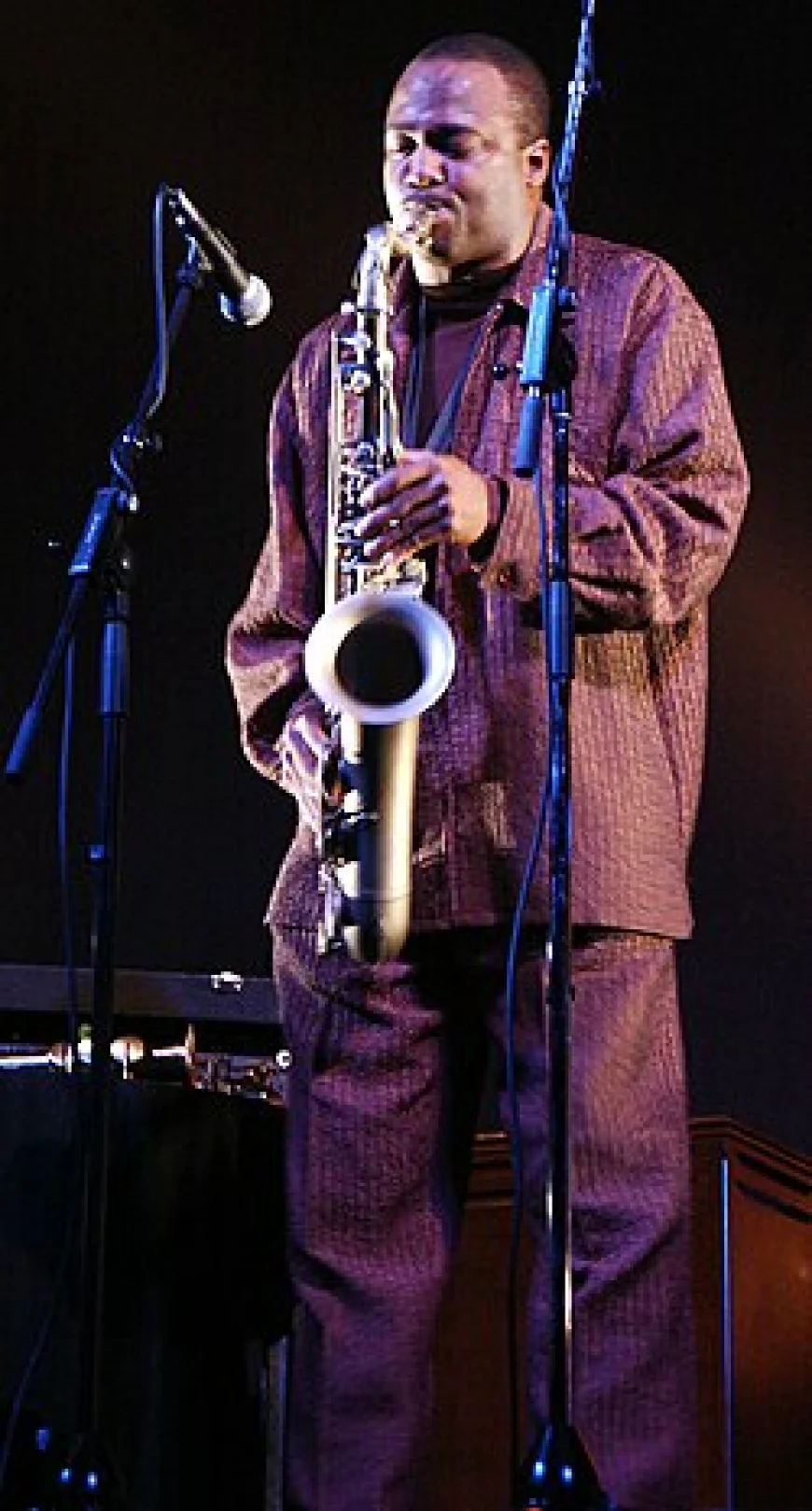
James Carter — The Saxophonist Who Keeps Jazz Alive
The story of James Carter unfolds as a journey steeped in tradition, audacious experimentation, and relentless musical curiosity. Born January 3, 1969 — that is his literal birthdate — Carter has carved a distinctive path in jazz, merging legacy with innovation.
A Childhood Steeped in Sound and Ambition
James Carter entered the world in Detroit, Michigan, on January 3, 1969. He was the youngest of five siblings, all of whom shared a love for music — a household shaped by his mother’s passion for jazz and frequent radio play that exposed him to early saxophone greats. By age 11, Carter had picked up his first horn (a King alto sax) and was already learning to play along with records, among them a Columbia double LP of classics by Billie Holiday and other jazz greats.
That early immersion laid the foundation for an artist deeply rooted in jazz heritage, yet primed to push its boundaries.
From Detroit Roots to New York Elevation — Jazz as Vocation
Carter’s formal musical journey began in earnest when he joined the youth ensemble Bird‑Trane‑Sco‑Now!. His talents matured quickly: by his mid-teens he was touring internationally, and at 19 he was performing in New York with a quintet led by trumpeter Lester Bowie.
Eventually, Carter relocated to New York, where his career as a professional jazz musician truly took off. He developed a reputation — among peers and critics alike — for his astounding technical command across saxophones, clarinets, flutes, and other woodwinds.
Carter’s work reflects a deep reverence for jazz’s traditions and a fearless embrace of its evolving possibilities. In his own words, jazz for him isn’t about nostalgia — it's about bridging the past and the future.
Defining Musical Chapters — Innovation Without Compromise
Over a career spanning decades, Carter’s discography has demonstrated both breadth and daring. Albums like Chasin' the Gypsy (2000) and Layin' in the Cut (2000) showed his uncanny ability to shift from pre-war swing and gypsy-jazz sensibilities to post-modern grooves and avant-garde exploration.
More recently, his debut on the storied Blue Note Records met with critical acclaim. The live album James Carter Organ Trio: Live From Newport Jazz (recorded during the Newport Jazz Festival) reaffirmed his ability to infuse soul, funk, swing — and pure jazz heritage — into a sound that feels timeless and fresh all at once.
Across live performances and studio recordings, critics often highlight Carter as “one of the most charismatic and powerful soloists in jazz” — a musician whose technical prowess is always in service of emotional resonance.
Estimating Fortune: The Economics of a Jazz Life
Quantifying a jazz musician’s financial standing is never straightforward — yet public records suggest that James Carter’s net worth is modest compared to mainstream pop superstars. One widely cited estimate is US $400,000.
This figure likely reflects revenues from album sales, live performances, royalties, and perhaps modest licensing deals. While not extravagant, it underscores a reality faced by many accomplished jazz artists: critical acclaim and influence do not always correspond to vast wealth. But Carter’s career — driven by integrity, artistry, and reverence for jazz — arguably trades monetary fortune for something deeper: legacy.
Life Off-Stage: The Man Behind the Horn
Despite his global travels and jazz-world recognition, James Carter remains closely tied to his roots. Detroit shaped him — musically and personally. As a cousin of acclaimed jazz violinist Regina Carter, music flows through his family lineage.
Carter has long spoken about his commitment to expanding listeners’ musical horizons: blending tradition with innovation, paying homage to jazz’s history while daring to reinvent its future.
Why James Carter Matters — Jazz’s Living Bridge
In an age when music is often commodified and mass-produced, James Carter stands out as a reminder of jazz’s soul: improvisation, respect for heritage, and fearless experimentation.
His journey — from Detroit neighborhoods to New York stages, from youth ensembles to international festivals — reflects a career built on passion, discipline, and a refusal to settle. Though his net worth may not rival pop icons, his influence on jazz resonates far beyond album sales.
For listeners, Carter’s music offers more than sound: it offers history, emotion, challenge, and discovery. He remains a true steward of jazz — one whose birthdate, January 3, 1969, marks not just a birthday, but the beginning of a lifelong conversation with music.