


Israel Iran War News: A Conflict Expanding Beyond Borders
A War Entering a Dangerous New Phase
The ongoing conflict between Israel and Iran has moved into a critical stage, with escalating military operations, widening regional involvement, and mounting global economic consequences. What began as coordinated strikes has now evolved into a multi-front confrontation involving not only state actors but also regional proxies, global powers, and economic systems deeply tied to Middle Eastern energy flows.
- A War Entering a Dangerous New Phase
- From Airstrikes to Regional Escalation
- A New Front Opens in Yemen
- The Strait of Hormuz: The Economic Pressure Point
- Strategic Targets: Oil, Infrastructure, and Military Assets
- Diplomacy Under Pressure
- Internal Changes in Iran’s Leadership
- Civilian Impact and Human Cost
- Global Economic Ripple Effects
- What Comes Next?
- Conclusion: A Conflict Reshaping the Global Order
Now in its fifth week, the war is no longer confined to bilateral hostilities. It is reshaping alliances, testing diplomatic channels, and pushing the global economy toward heightened uncertainty.
From Airstrikes to Regional Escalation
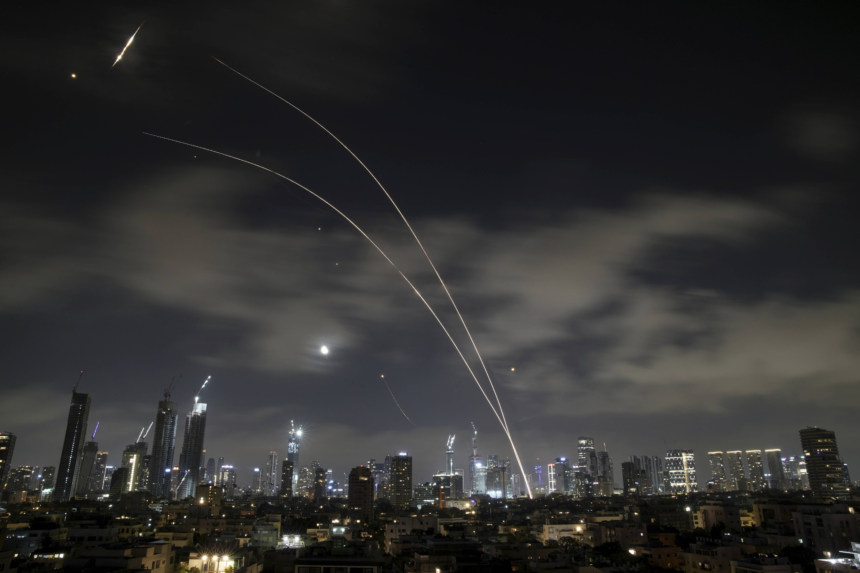
The conflict intensified following sustained airstrikes by Israeli forces targeting Iranian military assets, including operations across Tehran. The Israeli military confirmed it is striking “targets belonging to the Iranian regime,” signaling a continued effort to degrade Iran’s military infrastructure.
Iran, in response, has launched waves of missiles and drones targeting Israel and U.S.-aligned positions across the region. The retaliation has not been symbolic—it has demonstrated Iran’s capacity to sustain prolonged offensive operations.
A senior Iranian security official made the country’s position explicit:
“This is our war, and we will not stop defending until we teach (US President Donald) Trump and (Israeli Prime Minister Benjamin) Netanyahu a historic lesson.”
This statement underscores a strategic shift: Iran is preparing for a longer conflict rather than a short-term confrontation.
A New Front Opens in Yemen
The war has expanded geographically with the involvement of Iran-backed Houthi forces in Yemen. The group has launched ballistic missiles toward Israel, marking their first direct participation in this conflict cycle.
The Houthis declared they targeted “sensitive Israeli military sites” and pledged to continue attacks until operations against their allies cease.
Their entry significantly alters the strategic landscape:
- It introduces a southern front targeting Israel
- It threatens critical maritime routes in the Red Sea
- It increases the risk of attacks on global shipping lanes
The Houthis’ control of Yemen’s Red Sea coastline gives them leverage over one of the world’s most important trade corridors, amplifying the conflict’s global impact.
The Strait of Hormuz: The Economic Pressure Point
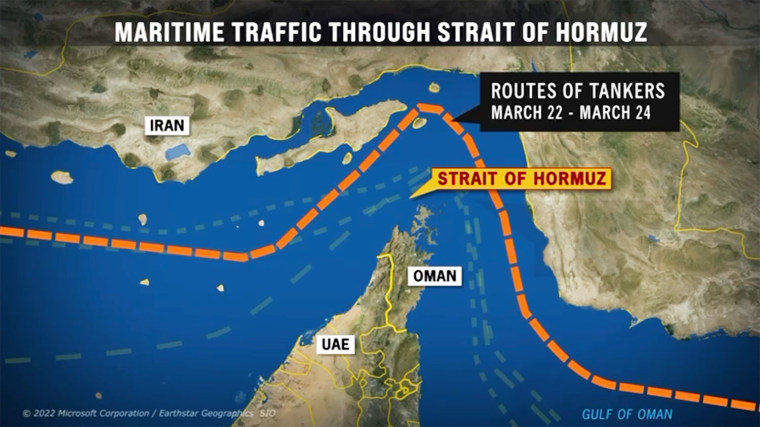
At the center of the crisis lies the Strait of Hormuz—a chokepoint through which roughly 20% of the world’s oil supply typically flows.
Iran’s effective blockade of the strait has triggered what analysts describe as the largest oil disruption in history:
- Up to 20 million barrels of oil per day affected
- Brent crude prices rising more than 50% since the war began
- Global energy markets facing sustained volatility
The consequences are already visible:
- Asian stock markets have dropped sharply
- Inflation fears are rising globally
- Fuel prices are increasing across continents
Countries such as Australia have responded with emergency measures, including fuel tax cuts and free public transport initiatives to cushion economic shocks.
Strategic Targets: Oil, Infrastructure, and Military Assets
One of the most contentious developments involves U.S. strategic considerations around Iran’s energy infrastructure, particularly Kharg Island—responsible for about 90% of Iran’s oil exports.
U.S. President Donald Trump has openly discussed the possibility of seizing the island, stating a preference “to take the oil” while weighing military options.
Such a move would have profound implications:
- Severe disruption of Iran’s economy
- Increased likelihood of prolonged military occupation
- Escalation into a broader regional war
Meanwhile, Iranian strikes have demonstrated their reach, including an attack that reportedly destroyed a U.S. E-3 Sentry surveillance aircraft in Saudi Arabia—highlighting the vulnerability of high-value military assets.
Diplomacy Under Pressure
Despite the intensity of the conflict, diplomatic efforts are ongoing, though fragile.
Pakistan has emerged as a potential mediator, offering to host talks between the United States and Iran. Regional foreign ministers from Egypt, Saudi Arabia, Turkey, and Pakistan have collectively emphasized that:
- The war is “not in favour of anyone”
- Diplomacy is the “only viable pathway” to peace
At the same time, conflicting narratives persist:
- The U.S. claims Iran has agreed to “most” of a proposed 15-point peace plan
- Tehran has expressed skepticism and has not formally accepted the terms
This disconnect reflects a broader issue: negotiations are happening, but trust remains limited.
Internal Changes in Iran’s Leadership
Another critical development is the reported shift in Iran’s leadership structure following the death of senior officials in airstrikes.
Mojtaba Khamenei, son of the former supreme leader, has reportedly assumed a leading role. This transition introduces uncertainty:
- Will Iran maintain its stance on nuclear weapons?
- Will new leadership pursue escalation or compromise?
The answers to these questions will shape the next phase of the conflict.
Civilian Impact and Human Cost
Beyond geopolitics and economics, the human cost is escalating.
Airstrikes have damaged residential areas, while foreign workers in Gulf states—particularly from South Asia—have been among the casualties. These workers, who form a critical part of regional economies, remain highly vulnerable.
In Iran, a controversial volunteer mobilization campaign has emerged, allowing participants as young as 12 to join support and security roles—an indication of how deeply the war is affecting society.
Global Economic Ripple Effects
The war’s impact extends far beyond the Middle East:
- Supply chains are disrupted due to shipping route instability
- Fuel prices are rising globally
- Labor markets, particularly in the United States, face uncertainty
Economists warn that if oil prices remain above $100 for an extended period, the consequences could include:
- Slower economic growth
- Increased unemployment risks
- Potential recession scenarios
What Comes Next?
The trajectory of the Israel-Iran war remains uncertain, but several scenarios are emerging:
1. Escalation to Ground Conflict
Iran has warned against a U.S. ground invasion, which could transform the war into a prolonged and large-scale regional conflict.
2. Expansion Through Proxy Networks
Groups like the Houthis—and potentially others—could open additional fronts, complicating military strategies and increasing unpredictability.
3. Diplomatic Breakthrough
If mediation efforts succeed, a negotiated settlement could stabilize the region, though current signals suggest this is not imminent.
4. Prolonged Economic Disruption
Even without further escalation, the economic consequences—especially in energy markets—are likely to persist.
Conclusion: A Conflict Reshaping the Global Order
The Israel-Iran war has moved beyond a conventional military confrontation. It now represents a complex, multi-dimensional crisis involving military escalation, economic disruption, and fragile diplomacy.
With key shipping routes disrupted, new battlefronts emerging, and global markets reacting sharply, the conflict’s significance extends far beyond the Middle East.
The coming weeks will be decisive. Whether through escalation or negotiation, the outcome will shape not only regional stability but also the broader global economic and political landscape.