

Trump on Iran: A High-Stakes Standoff Reshaping Global Power and Energy
Introduction: A Crisis at Boiling Point
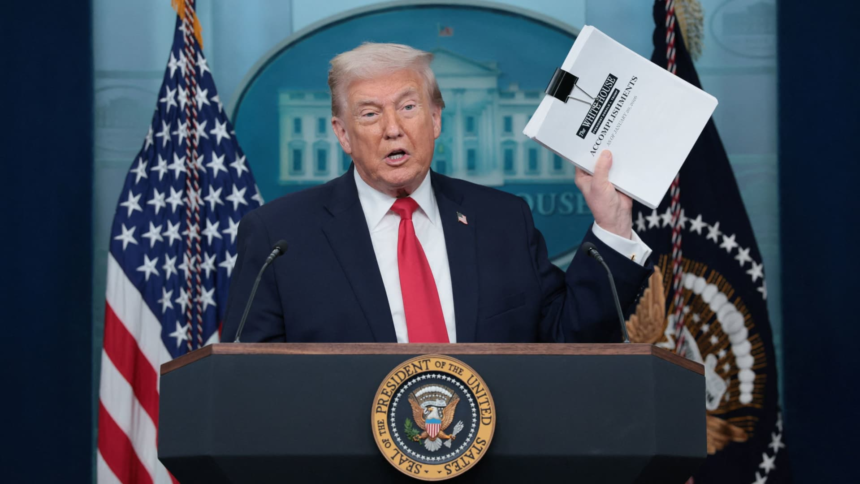
The confrontation between the United States and Iran has entered one of its most volatile phases in decades, defined by escalating military strikes, aggressive rhetoric, and mounting global economic consequences. At the center of this crisis stands Donald Trump, whose increasingly forceful stance on Iran—particularly over the strategic Strait of Hormuz—has intensified tensions across the Middle East and beyond.
- Introduction: A Crisis at Boiling Point
- The Strait of Hormuz: Why Trump’s Ultimatum Matters
- Escalation on the Ground: Strikes, Casualties, and Retaliation
- Trump’s Strategy: Pressure, Deadlines, and Military Signaling
- Iran’s Response: Defiance and Strategic Leverage
- Global Impact: Energy, Markets, and Diplomacy
- Human Cost: Civilians Caught in the Crossfire
- Future Outlook: Deal, Escalation, or Prolonged Conflict?
- Conclusion: A Defining Moment in US-Iran Relations
With deadlines issued, threats exchanged, and real-world consequences unfolding—from civilian casualties to surging oil prices—the situation reflects more than a bilateral dispute. It has become a geopolitical flashpoint with implications for global security, energy markets, and international diplomacy.
The Strait of Hormuz: Why Trump’s Ultimatum Matters
At the heart of Trump’s confrontation with Iran lies the Strait of Hormuz, one of the most critical maritime chokepoints in the world. Roughly one-fifth of global oil and gas supplies pass through this narrow waterway, making its accessibility essential for international trade and economic stability.
Iran’s effective restriction of the strait—triggered by ongoing US-Israeli military operations—has disrupted global energy flows and pushed oil prices above $110 per barrel. This surge has already sparked fears of inflation and economic instability, particularly in regions heavily dependent on Middle Eastern energy supplies.
In response, Trump issued a stark ultimatum: reopen the strait or face devastating attacks on Iranian infrastructure, including power plants and bridges. His message, delivered via social media, included unusually blunt language:

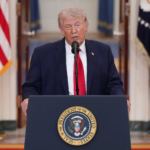
“Open the Fuckin’ Strait, you crazy bastards, or you’ll be living in Hell – JUST WATCH!”
He later reinforced the urgency by setting a deadline of “Tuesday, 8:00 P.M. Eastern Time.”
Escalation on the Ground: Strikes, Casualties, and Retaliation
While rhetoric intensified, the conflict on the ground continued to escalate. Joint US-Israeli strikes targeted Iranian infrastructure and military assets, resulting in significant casualties. Among the most notable developments was the killing of Major General Majid Khademi, head of intelligence for Iran’s Islamic Revolutionary Guard Corps.
Civilian casualties have also been reported, including the deaths of children in overnight strikes on Tehran. Meanwhile, Iran retaliated with missile attacks on Israeli cities such as Haifa, causing deaths and widespread destruction.
The conflict has expanded beyond Iran and Israel, affecting neighboring countries:

- Drone and missile strikes targeted facilities in the United Arab Emirates, Kuwait, and Saudi Arabia
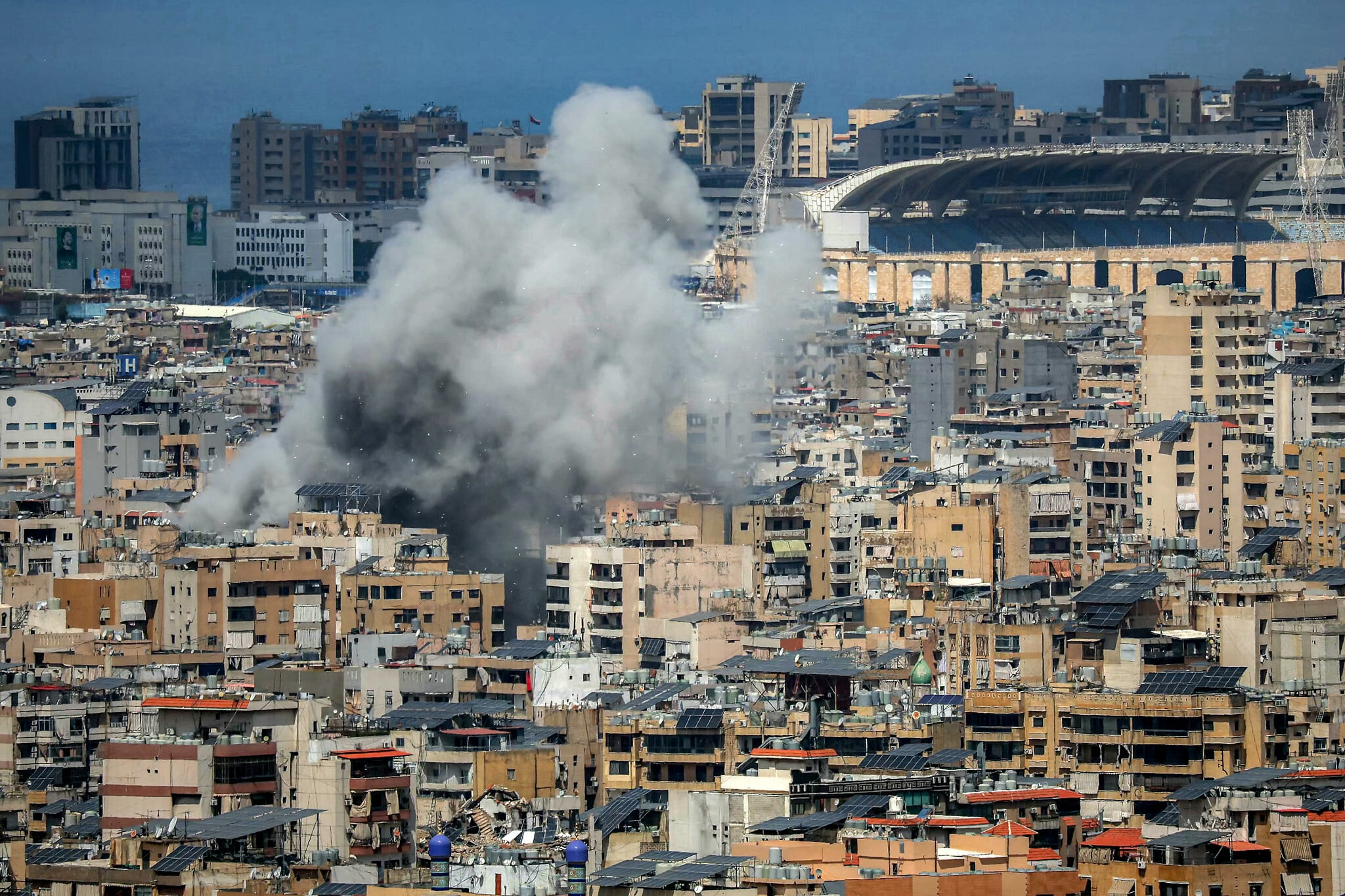
- Lebanon experienced heavy bombardment, with dozens killed and widespread displacement
- Gulf nations have been forced into defensive postures, intercepting incoming threats
This regional spillover underscores how quickly the confrontation has evolved into a broader Middle East crisis.
Trump’s Strategy: Pressure, Deadlines, and Military Signaling
Trump’s approach to Iran combines economic pressure, military force, and public ultimatums. Since March, he has issued multiple deadlines for Iran to reopen the Strait of Hormuz, repeatedly extending them while maintaining the threat of force.
This strategy reflects a pattern:
- Initial threats of “obliterating” Iranian infrastructure
- Temporary pauses for negotiations
- Renewed deadlines with escalating rhetoric
Despite the aggressive tone, Trump has also suggested that a diplomatic resolution remains possible, stating there is a “good chance” of reaching a deal.
At the same time, the US military has demonstrated its operational readiness. A high-risk rescue mission of a downed American airman inside Iran—praised by Trump as “one of the most daring Search and Rescue Operations in U.S. History”—highlighted both capability and intent.
Iran’s Response: Defiance and Strategic Leverage
Iran has responded to Trump’s threats with a mix of defiance and calculated positioning. Officials have made it clear that the Strait of Hormuz will not fully reopen unless compensation is provided for war damages.
Iranian leaders and diplomats have also sharply criticized Trump’s rhetoric:
- Describing his threats as “helpless, nervous and stupid”
- Warning that attacks on civilian infrastructure could constitute war crimes under international law
- Promising “much more devastating” retaliation if such strikes occur
Iran’s strategy extends beyond military responses. By restricting access to the Strait of Hormuz, it has demonstrated its ability to exert pressure on the global economy—effectively turning energy supply into a geopolitical tool.
Global Impact: Energy, Markets, and Diplomacy
The consequences of the Trump-Iran confrontation are already being felt worldwide.
Energy Markets Under Pressure
Oil prices have surged, reflecting fears of prolonged disruption. With Brent crude exceeding $110 per barrel, industries and consumers face rising costs.
Economic Ripple Effects
Higher energy prices threaten to fuel inflation, particularly in Asia and Europe, where dependence on Middle Eastern oil is significant. Stock markets have shown volatility, reacting to each new development in the conflict.
Diplomatic Maneuvering
Behind the scenes, diplomatic efforts are intensifying. Reports indicate that mediators—including Pakistan, Turkey, and Egypt—are working on ceasefire proposals that could lead to a permanent resolution.
However, negotiations remain fragile. Iran has rejected temporary ceasefire terms tied to reopening the strait, while the US continues to push for immediate compliance.
Human Cost: Civilians Caught in the Crossfire
Beyond geopolitical calculations, the conflict has exacted a heavy toll on civilians.
Residents in Tehran describe fear, uncertainty, and a sense of helplessness as airstrikes damage infrastructure and disrupt daily life. Some families have begun stockpiling water and essential supplies, anticipating further escalation.
In Israel and neighboring countries, missile attacks have caused casualties, destroyed homes, and displaced communities. Across Lebanon, entire towns have been emptied as violence spreads.
These human stories highlight the broader consequences of high-level political decisions, emphasizing that the impact of the conflict extends far beyond strategic objectives.
Future Outlook: Deal, Escalation, or Prolonged Conflict?
The coming days are likely to determine the trajectory of the crisis.
Several scenarios are possible:
1. Diplomatic Breakthrough
If ongoing negotiations succeed, a ceasefire could stabilize the region and reopen the Strait of Hormuz, easing pressure on global markets.
2. Escalation into Wider War
If Trump follows through on his threats to target Iranian infrastructure, Iran has signaled it will respond with intensified attacks—potentially drawing more countries into the conflict.
3. Prolonged Standoff
A continued cycle of threats, limited strikes, and partial disruptions could lead to a prolonged period of instability, with ongoing economic and humanitarian consequences.
The situation remains highly fluid, with each decision carrying significant risks.
Conclusion: A Defining Moment in US-Iran Relations
Trump’s stance on Iran represents a defining moment in modern geopolitics—one where rhetoric, military action, and economic leverage intersect in a high-stakes confrontation.
By tying the reopening of the Strait of Hormuz to threats of infrastructure destruction, the US has escalated pressure to unprecedented levels. Iran, in turn, has demonstrated its ability to resist and retaliate, using both military means and economic leverage.
As the deadline approaches and diplomacy races against time, the world watches closely. The outcome of this standoff will not only shape US-Iran relations but also influence global energy markets, regional stability, and the future of international conflict management.