

US–Iran–Israel News: A Conflict at a Strategic Crossroads
A War Entering a Decisive Phase
The ongoing confrontation involving the United States, Iran, and Israel has entered a volatile and defining stage. Now more than a month into the conflict, the situation is no longer confined to isolated strikes or proxy engagements—it has evolved into a multi-front confrontation with global economic and geopolitical consequences.
- A War Entering a Decisive Phase
- The Battlefield Expands Across Borders
- Iran’s Strategic Posture: Resistance and Mobilization
- US Strategy: Pressure, Leverage, and Uncertainty
- Diplomacy in Motion: A Narrow Window
- The Global Shockwave: Oil, Markets, and Supply Chains
- Human and Regional Consequences
- A War of Narratives: Competing Claims and Messaging
- What Comes Next?
- Conclusion: A Fragile Balance Between War and Diplomacy
What began as coordinated US-Israeli strikes against Iranian targets has escalated into a broader regional conflict, with Iran retaliating through missile and drone attacks and leveraging strategic choke points such as the Strait of Hormuz.
At the center of this escalation lies a critical question: will diplomacy prevail, or is the conflict moving toward a prolonged and potentially wider war?
The Battlefield Expands Across Borders
Intensified Military Operations
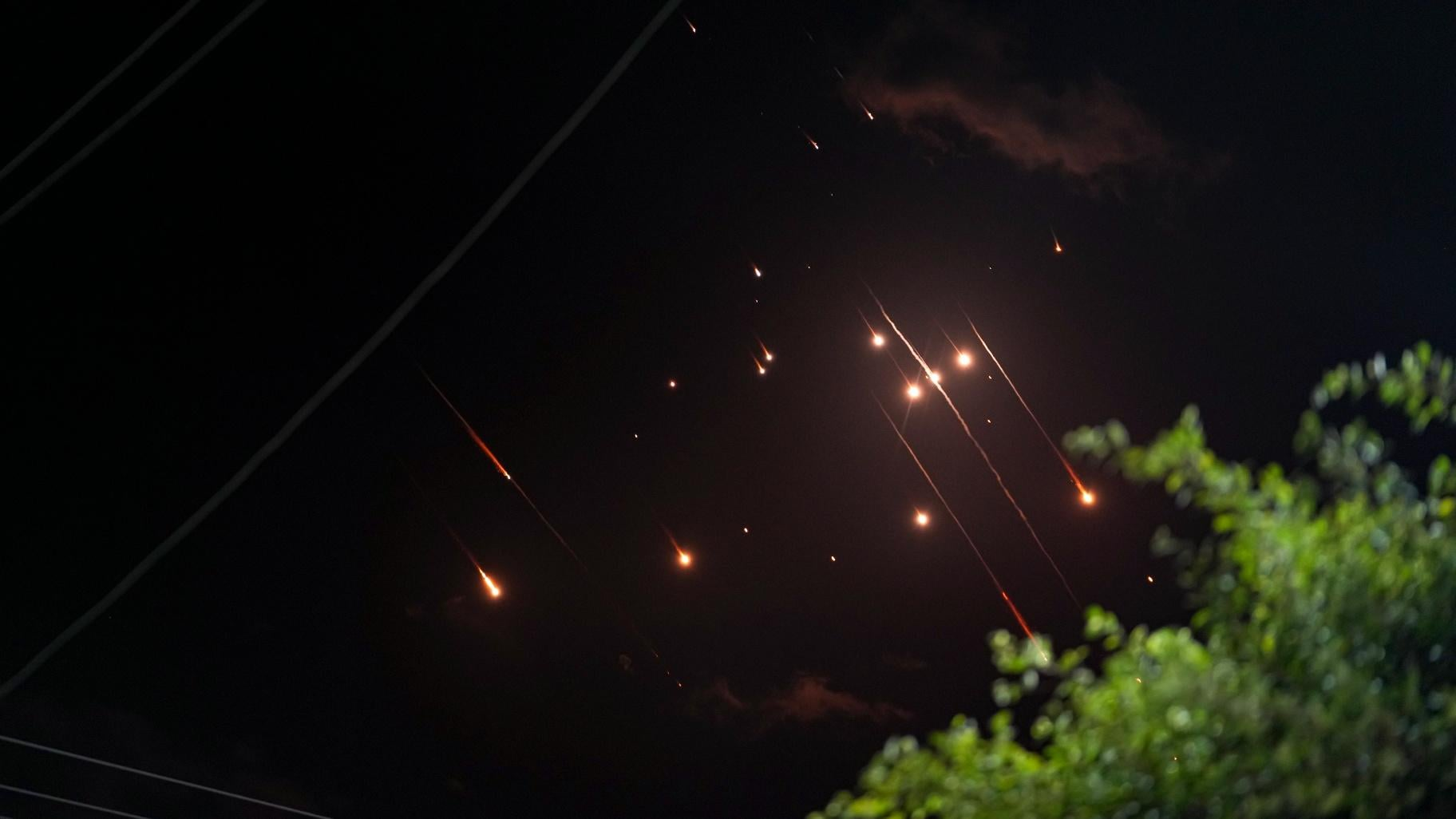
Recent developments indicate a sharp increase in military activity. Israeli forces continue to strike targets in Tehran, while US operations have targeted key Iranian infrastructure, including military sites and oil facilities.
Iran, in turn, has demonstrated its capacity for retaliation. Missile and drone strikes have hit US-linked assets across the region, including a Saudi air base where a vital US Air Force surveillance aircraft was reportedly destroyed.
Meanwhile, the conflict has spilled into neighboring territories. Israel has widened its ground operations in southern Lebanon, targeting Hezbollah positions and raising fears of a broader regional war.
The result is a layered battlefield:
- Direct confrontation between state actors
- Proxy engagements involving groups like Hezbollah
- Strategic strikes on infrastructure and economic targets
Iran’s Strategic Posture: Resistance and Mobilization
Iran has signaled that it is prepared for a sustained conflict. Senior officials have emphasized that Tehran—not Washington—will determine when the war ends.
The country has taken several key steps:
- Strengthening air defenses and military deployments
- Launching mass volunteer campaigns, including roles for civilians as young as 12
- Threatening retaliatory strikes against US and Israeli interests
This posture reflects a shift from reactive defense to long-term resistance. Iranian messaging suggests readiness for prolonged operations, backed by missile capabilities and regional alliances.
US Strategy: Pressure, Leverage, and Uncertainty
The Oil Factor and Kharg Island
One of the most consequential developments is the US consideration of seizing Iran’s Kharg Island—a critical hub handling roughly 90% of the country’s oil exports.
President Donald Trump has openly stated:
- His “preference would be to take the oil”
- The US is weighing options to control key energy assets
- Military presence may be required “for a while”
These remarks underline a strategy focused on economic pressure as much as military force.
However, analysts warn that such a move could dramatically escalate the conflict. Capturing and holding the island would be logistically complex and could prolong the war significantly.
Diplomacy in Motion: A Narrow Window
Despite escalating violence, diplomatic efforts are underway.
Pakistan has emerged as a potential mediator, offering to host talks between the US and Iran “in coming days.”
Regional powers—including Turkey, Saudi Arabia, and Egypt—have also engaged in discussions aimed at de-escalation. These talks emphasize:
- The urgent need to end hostilities
- The risk of widespread humanitarian and economic damage
- Dialogue as the only viable path forward
At the same time, the US has proposed a 15-point plan that reportedly includes:
- Iran abandoning nuclear ambitions
- Limits on defense capabilities
- Reopening the Strait of Hormuz
While US officials claim Iran has agreed to “most of” these demands, Tehran has shown skepticism, indicating that negotiations remain fragile.
The Global Shockwave: Oil, Markets, and Supply Chains
The war’s most immediate global impact is economic.
Energy Crisis
Iran’s effective blockade of the Strait of Hormuz—a route responsible for roughly 20% of global oil supply—has triggered the largest oil disruption in modern history.
Key consequences include:
- Oil prices surging above $100 per barrel
- Brent crude rising more than 50% since the war began
- Fuel costs increasing worldwide
Countries like Australia have already introduced emergency measures, including fuel tax cuts and free public transport, to cushion the impact.
Market Instability
Financial markets have reacted sharply:
- Asian stock indices have dropped significantly
- Inflation concerns are intensifying
- Economic uncertainty is affecting hiring and investment
In the United States, economists warn that prolonged disruption could stall job growth and increase recession risks.
Human and Regional Consequences
Beyond geopolitics and economics, the conflict is exacting a human toll.
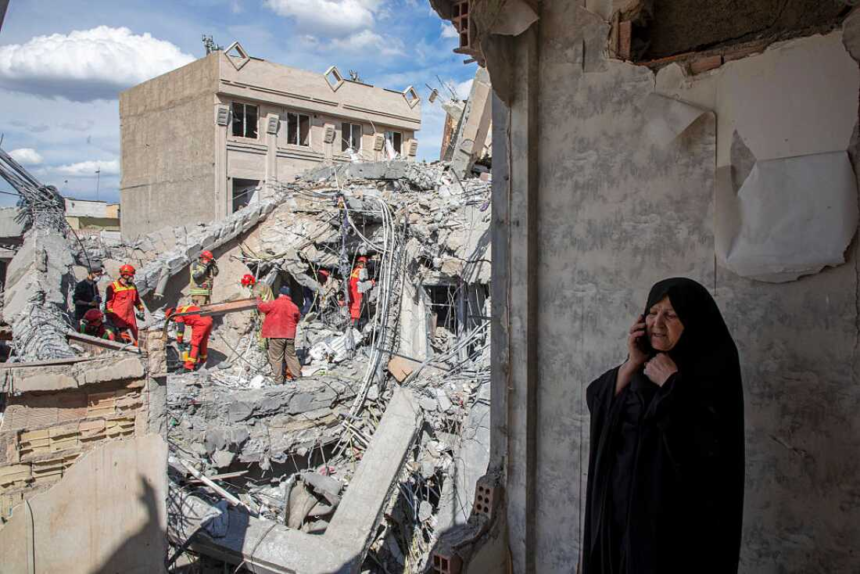
- Civilian infrastructure in Tehran has been damaged by airstrikes
- Workers and civilians across the Gulf region have been killed or injured
- Over one million people have been displaced in Lebanon alone
- Attacks on medical workers and peacekeepers have drawn international condemnation
These developments highlight the widening humanitarian crisis, with vulnerable populations bearing the brunt of the escalation.
A War of Narratives: Competing Claims and Messaging
Both sides are shaping the narrative of the conflict.
The US has suggested that:
- Iran is close to accepting its demands
- “Regime change” has effectively occurred
Iran, however, counters that:
- It remains firmly in control
- It is prepared for a prolonged war
- It will dictate the terms of any resolution
This divergence underscores the uncertainty surrounding the conflict’s trajectory.
What Comes Next?
Several potential scenarios are emerging:
1. Negotiated De-escalation
If talks hosted by Pakistan succeed, the conflict could move toward a ceasefire framework.
2. Limited Escalation
Continued strikes without a ground invasion could prolong the current stalemate.
3. Full-Scale Expansion
A US ground invasion or seizure of key assets like Kharg Island could trigger a broader regional war.
Each path carries significant risks—not only for the Middle East but for global stability.
Conclusion: A Fragile Balance Between War and Diplomacy
The US–Iran–Israel conflict has reached a critical juncture. Military escalation, economic disruption, and diplomatic maneuvering are unfolding simultaneously, creating a highly unstable environment.
While there are signs of potential negotiation, the underlying tensions remain unresolved. Strategic decisions in the coming days—particularly regarding military escalation or diplomatic engagement—will determine whether the conflict stabilizes or intensifies further.
For now, the world watches a situation where the stakes are not just regional, but global.