

Iran–Israel Conflict: A War Expanding Beyond Borders
(Analytical Feature)
- A Region on Edge
- Missile Strikes and Industrial Fallout
- A War With Expanding Geography
- Strategic Stakes: Oil, Power, and Influence
- Iran’s Response and Escalation Signals
- International Reactions and Unlikely Alliances
- Humanitarian and Ethical Dimensions
- A War Without Clear Boundaries
- What Comes Next?
- Conclusion
A Region on Edge
The escalating confrontation between Iran and Israel has evolved into one of the most volatile geopolitical crises in recent years. What began as targeted strikes and covert operations has now expanded into a multi-front conflict involving missile exchanges, regional proxies, and growing international attention.
Recent developments indicate a widening war footprint—one that stretches from southern Israel to Lebanon, the Persian Gulf, and even into diplomatic arenas where global powers weigh intervention and mediation.
Missile Strikes and Industrial Fallout
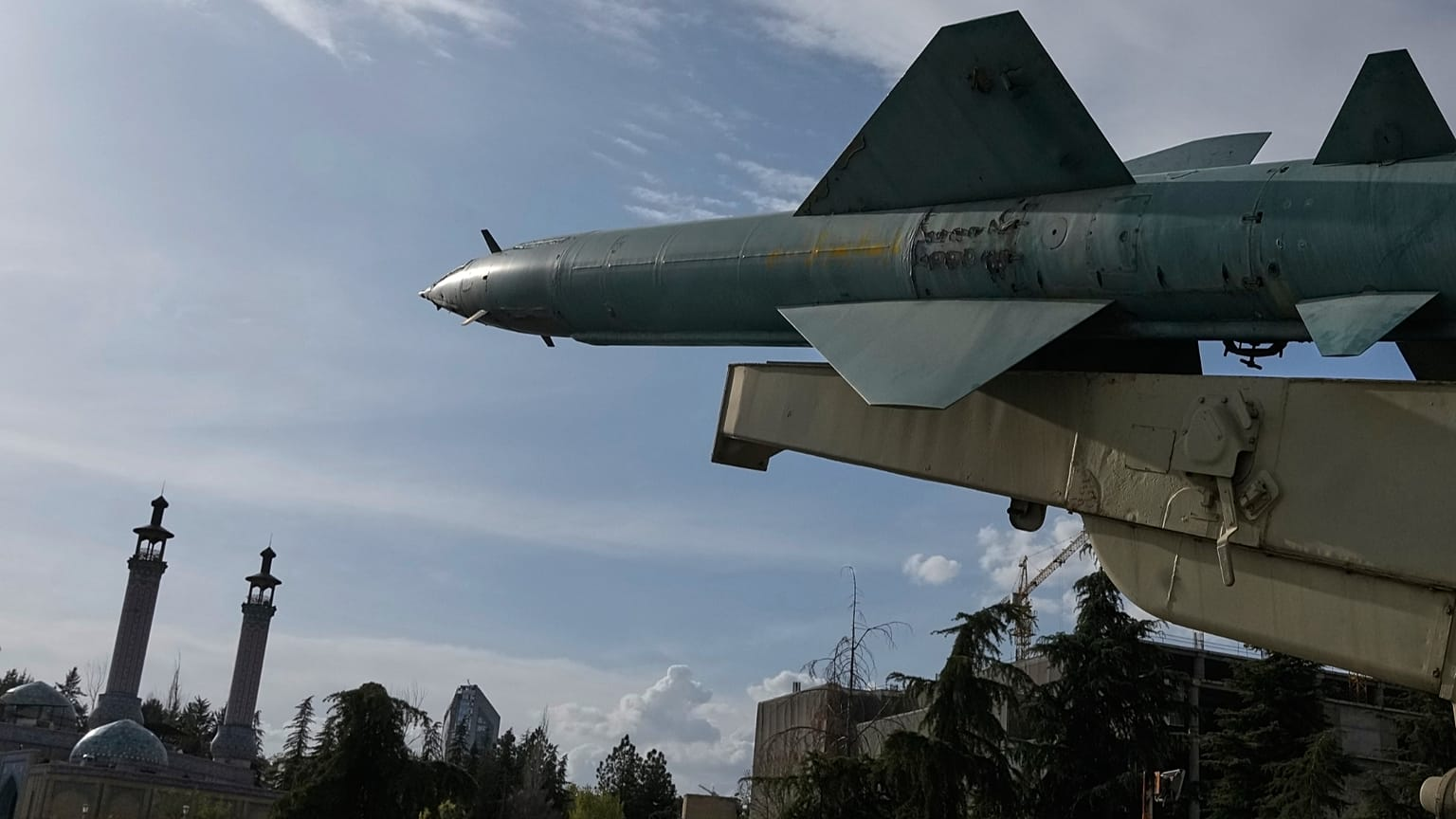
A critical flashpoint emerged when shrapnel from an Iranian missile struck an industrial facility in southern Israel. The impact occurred in the Neot Hovav industrial zone, near Beersheba, triggering a hazardous materials incident.
The strike hit a pesticide tank, igniting a large fire and sending thick plumes of smoke into the air. Authorities confirmed at least one injury, while surrounding factories were evacuated as a precaution. Residents in nearby areas were instructed to remain indoors and seal their homes until the danger could be assessed.
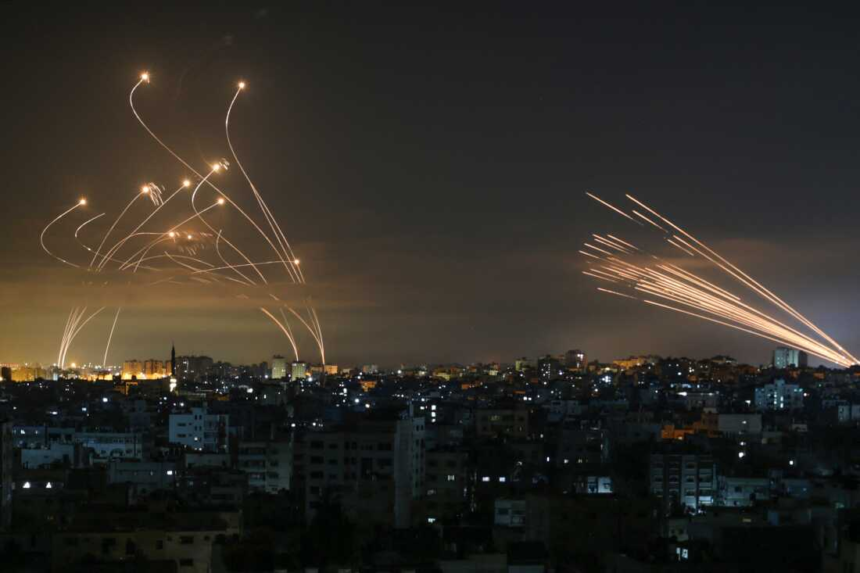
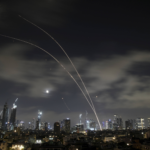
This incident followed multiple waves of missile launches from Iran, with Israeli defense systems working continuously to intercept incoming threats. The scale and frequency of these attacks suggest a deliberate escalation strategy rather than isolated retaliation.
A War With Expanding Geography
The conflict is no longer confined to direct exchanges between Iran and Israel. It has spilled into neighboring regions, particularly Lebanon, where Israeli forces have intensified operations against Hezbollah—an Iran-backed group.
Israeli Prime Minister Benjamin Netanyahu has confirmed plans to expand the military “buffer zone” in southern Lebanon, citing ongoing rocket threats. The consequences have been severe: over a million people displaced and more than a thousand casualties reported since hostilities intensified.
Meanwhile, Iranian missile and drone activity has extended beyond Israel. Reports indicate strikes affecting regional actors, including military personnel in Kuwait, underscoring the widening scope of the conflict.
Strategic Stakes: Oil, Power, and Influence
At the core of the conflict lies a complex intersection of military strategy and economic leverage. One of the most significant developments involves Donald Trump, who has openly discussed the possibility of seizing Kharg Island—Iran’s primary oil export hub.
Kharg Island accounts for more than 90% of Iran’s oil exports, making it a strategic target with global implications. Oil prices have already surged to near four-year highs, reflecting market anxiety and supply concerns.
Control over such infrastructure would not only weaken Iran economically but also reshape global energy markets. However, analysts warn that such a move could significantly prolong the war and increase the risk of broader escalation.
Iran’s Response and Escalation Signals
Iran has responded with increasingly direct and aggressive rhetoric. Its military leadership has warned of retaliatory strikes not only against military targets but also against the residences of U.S. and Israeli officials in the region.
Additionally, Iran has threatened to target universities linked to Western countries, framing its actions as a response to attacks on its own academic institutions. These statements signal a shift toward unconventional targets, raising concerns about the erosion of traditional rules of engagement.
The country’s leadership, including Supreme Leader Mojtaba Khamenei, has also emphasized resistance against what it describes as external aggression, reinforcing domestic and regional support narratives.
International Reactions and Unlikely Alliances
The conflict has drawn responses from across the globe, including unexpected declarations of support. Uganda’s military chief, Muhoozi Kainerugaba, publicly pledged readiness to support Israel if the conflict escalates further.
He stated:
“We want the war in the Middle East to end now… But any talk of destroying or defeating Israel will bring us into the war. On the side of Israel!”
While such statements may not translate into direct military intervention, they highlight how the conflict is influencing political positioning far beyond the Middle East.
At the same time, diplomatic efforts are underway. Pakistan has emerged as a potential mediator, hosting discussions involving regional powers such as Saudi Arabia, Turkey, and Egypt aimed at de-escalating tensions.
Humanitarian and Ethical Dimensions
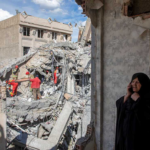
Beyond strategy and geopolitics, the conflict carries a significant human cost. Civilian casualties continue to rise, and infrastructure damage is widespread. The death of health workers and UN peacekeepers has intensified calls for accountability under international law.
Global leaders, including the Pope, have condemned the violence, emphasizing that religious justification cannot legitimize warfare. The statement—“God rejects the prayers of leaders who start wars”—reflects growing moral pressure on all parties involved.
A War Without Clear Boundaries
One of the defining characteristics of the Iran–Israel conflict is its fluid and unpredictable nature. It operates across multiple domains:
- Direct missile exchanges
- Proxy warfare in neighboring countries
- Economic pressure through oil and trade routes
- Cyber and intelligence operations (implied within broader conflict patterns)
This multi-layered structure makes resolution more complex, as actions in one arena often trigger consequences in another.
What Comes Next?
The trajectory of the conflict remains uncertain, but several trends are evident:
- Escalation risk remains high, particularly if external powers increase military involvement
- Economic repercussions will deepen, especially in energy markets
- Regional instability is likely to persist, with Lebanon and Gulf states increasingly affected
- Diplomatic channels are active but fragile, with mediation efforts still in early stages
The possibility of a broader war involving additional global powers cannot be dismissed. At the same time, the growing humanitarian toll may intensify pressure for a negotiated settlement.
Conclusion
The Iran–Israel conflict has moved beyond a bilateral confrontation into a complex regional crisis with global implications. Missile strikes, territorial expansions, economic strategies, and international reactions are all converging into a rapidly evolving situation.
What distinguishes this moment is not just the scale of the violence, but the number of actors now shaping its outcome. Whether through military escalation or diplomatic intervention, the next phase of this conflict will likely redefine power dynamics across the Middle East—and potentially far beyond.