




Iran News: A Fragile Pause in a Conflict That Shook the World
A Turning Point Arrives at the Brink of Escalation
In a dramatic reversal that pulled the world back from the edge of a wider regional war, the United States and Iran have agreed to a temporary two-week ceasefire following weeks of escalating military confrontation. The agreement, reached at the last moment, comes after threats of massive strikes and mounting global anxiety over energy supply disruptions and regional instability.
- A Turning Point Arrives at the Brink of Escalation
- The Ceasefire Deal: What Was Agreed
- Why the Strait of Hormuz Matters
- A Conflict That Reshaped Global Markets
- Military Reality: Fighting Has Not Fully Stopped
- The Political Calculations Behind the Deal
- The 10-Point Plan vs. US Demands
- Global Reactions: Relief Mixed With Caution
- What Happens Next: A Narrow Window for Peace
- Conclusion: A Pause, Not an End
The conflict—triggered by coordinated US and Israeli attacks on Iranian targets and followed by Iran’s retaliatory missile and drone strikes—had rapidly evolved into one of the most consequential geopolitical crises in recent years. Oil markets were destabilized, global shipping routes were disrupted, and fears of a prolonged war intensified across continents.
Now, with diplomacy temporarily restored, attention has shifted from battlefield developments to high-stakes negotiations that could determine the region’s future.



The Ceasefire Deal: What Was Agreed
At the core of the current situation is a conditional ceasefire that both sides have publicly framed as a victory.
US President Donald Trump described the agreement as a “total and complete victory,” while Iranian officials similarly presented the outcome as a strategic success.


The deal includes several key components:
- A two-week halt in hostilities to allow negotiations
- The reopening of the Strait of Hormuz, a vital global energy route
- Agreement to use Iran’s 10-point proposal as a negotiation framework
- Planned diplomatic talks in Islamabad, facilitated by Pakistan
The ceasefire was reportedly brokered through diplomatic intervention by Pakistan’s leadership, which urged both sides to allow “diplomacy to run its course.”
Iran’s foreign minister stated that Tehran would halt “defensive operations” provided attacks cease, while also coordinating safe maritime passage through the strait.
Why the Strait of Hormuz Matters
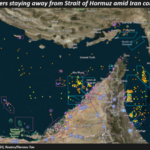
A central element of the crisis—and the ceasefire—is the Strait of Hormuz, one of the world’s most critical chokepoints for energy transport.

- Roughly 20% of global oil supply passes through the strait
- The waterway connects the Persian Gulf to global markets
- Its closure during the conflict triggered a historic oil crisis
Iran has proposed regulating access to the strait, including potentially charging fees for passage—raising concerns about long-term control and geopolitical leverage.
Despite the ceasefire announcement, shipping activity has remained cautious, with vessel operators waiting for security assurances before resuming normal operations.
A Conflict That Reshaped Global Markets
The economic consequences of the Iran conflict have been immediate and severe.
- Oil prices surged dramatically during the war
- Jet fuel prices doubled, impacting global aviation
- Asian economies, heavily reliant on Middle East energy, were particularly affected
Following the ceasefire announcement, markets reacted quickly:
- Oil prices dropped below $100 per barrel
- Global stock markets surged
- Investor sentiment improved, signaling cautious optimism
However, experts warn that recovery will not be immediate. Supply chains disrupted by weeks of conflict may take months to stabilize, especially in refining and fuel distribution sectors.
Military Reality: Fighting Has Not Fully Stopped
Despite the ceasefire, the situation on the ground remains volatile.
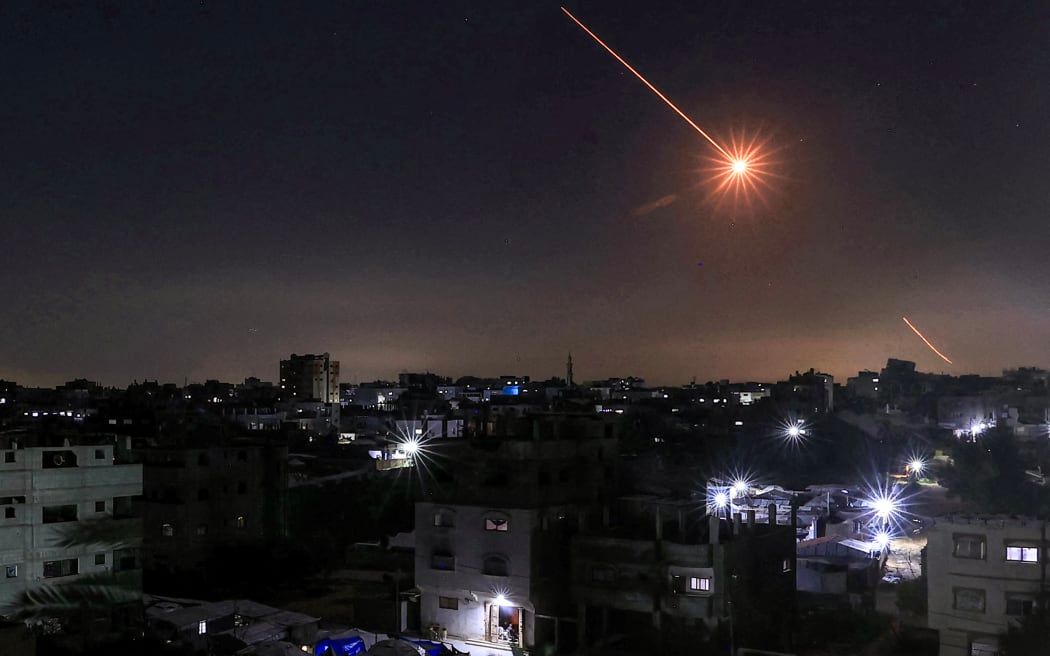
Israel has confirmed it will halt strikes on Iran but continue operations against Hezbollah in Lebanon, stating explicitly that Lebanon is not included in the agreement.
This has created a fragmented battlefield:
- Iran front: temporarily paused
- Lebanon front: ongoing escalation
- Proxy conflicts: partially suspended but uncertain
Airstrikes, evacuation orders, and civilian casualties continue to be reported in Lebanon, highlighting the limited scope of the current agreement.
The Political Calculations Behind the Deal
The ceasefire also reflects complex political pressures on all sides.
For the United States, the agreement provided an exit from a difficult strategic position. Just hours before the deal, President Trump had issued a stark warning that “a whole civilisation will die tonight,” escalating global alarm.
Domestically, the rhetoric drew criticism from both political opponents and some allies, raising questions about leadership and decision-making during the crisis.
For Iran, the ceasefire allows:
- Preservation of its regional influence
- Continued leverage over the Strait of Hormuz
- A platform to push for sanctions relief and military withdrawal
Both sides, therefore, have strategic incentives to present the ceasefire as a win—despite unresolved core issues.
The 10-Point Plan vs. US Demands
Negotiations over the next two weeks will center on competing frameworks.
Iran’s Proposal Includes:
- Lifting international sanctions
- Withdrawal of US forces from the region
- Compensation for war damages
- Recognition of nuclear program rights
- Control over maritime routes
US Expectations Include:
- Limits on Iran’s nuclear program
- Reduction of regional proxy influence
- Restrictions on military capabilities
The gap between these positions remains significant, suggesting that negotiations will be complex and potentially unstable.
Global Reactions: Relief Mixed With Caution
International leaders have broadly welcomed the ceasefire while emphasizing the need for sustained diplomacy.
- The United Nations called for compliance and long-term peace efforts
- European and Asian governments described the agreement as a “positive step”
- Energy-dependent nations stressed the importance of restoring stable supply
Oman’s foreign minister captured the prevailing sentiment:
“The world has stepped back from disaster. But there’s no room for complacency.”
What Happens Next: A Narrow Window for Peace
The coming days will be decisive.
Planned talks in Islamabad represent the first potential face-to-face engagement between US and Iranian officials since the conflict began.
Key questions remain unresolved:
- Will the ceasefire hold without violations?
- Can both sides agree on nuclear and military terms?
- Will regional conflicts, especially in Lebanon, derail progress?
- How will control of the Strait of Hormuz be managed long term?
The ceasefire has created a narrow diplomatic window—but not a guaranteed path to peace.
Conclusion: A Pause, Not an End
The latest Iran news reflects a moment of temporary de-escalation in a crisis that has reshaped global politics, energy markets, and regional security.
While the ceasefire has reduced immediate tensions, it has not resolved the underlying disputes driving the conflict. The next two weeks will determine whether this agreement evolves into a lasting peace—or proves to be a brief pause before renewed confrontation.
For now, the world is watching closely, aware that stability in the Middle East remains both fragile and essential to the global order.