




Iran Ceasefire News: A Fragile Pause Between Conflict and Diplomacy
A Sudden Turn from Escalation to Restraint
In a dramatic shift that pulled the world back from the brink of a potentially devastating escalation, the United States and Iran have agreed to a provisional two-week ceasefire. The agreement, announced just hours before a critical military deadline, marks a temporary pause in a conflict that has rattled global markets, disrupted energy supplies, and heightened fears of a broader regional war.
- A Sudden Turn from Escalation to Restraint
- How the Ceasefire Was Reached
- What the Ceasefire Includes — and What It Doesn’t
- Competing Narratives: Who Won?
- Economic Shockwaves and Early Relief
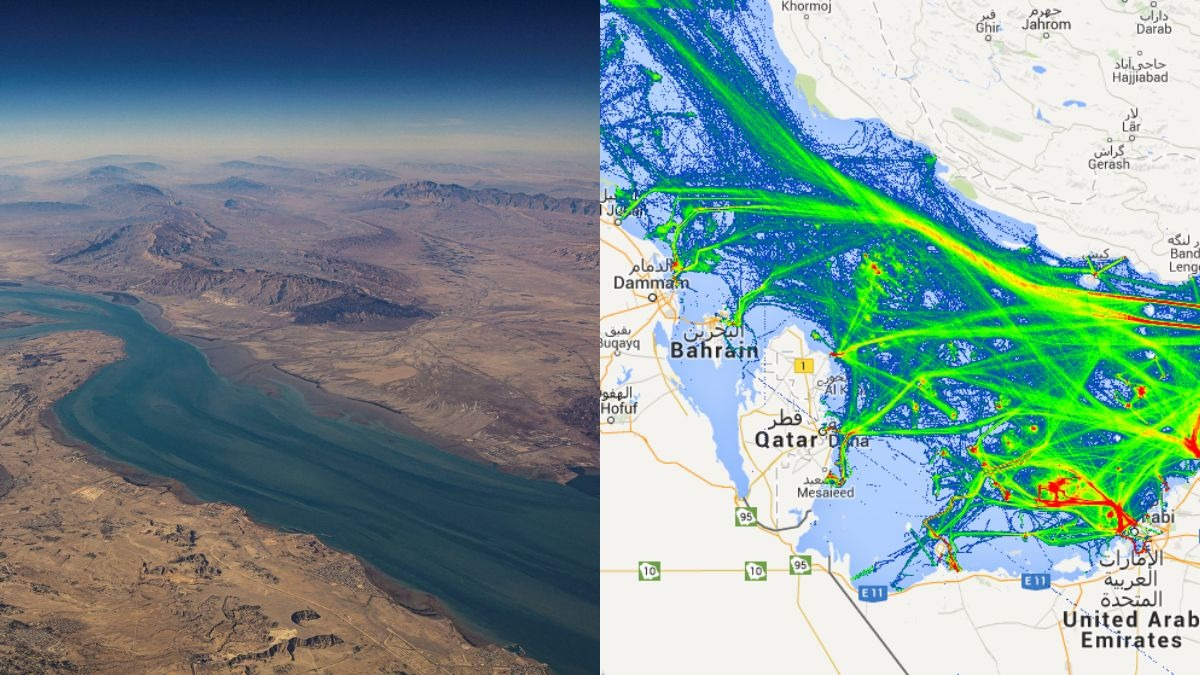
- The Strait of Hormuz: The Strategic Core
- Diplomatic Players Behind the Scenes
- Public Reaction: Relief Mixed with Skepticism
- What Happens Next?
- Conclusion: A Pause, Not Peace
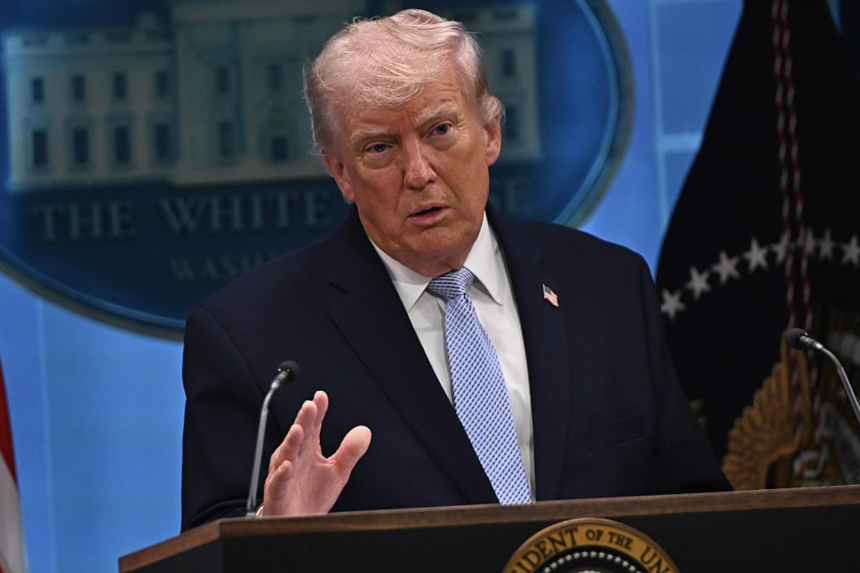
The ceasefire comes after weeks of escalating hostilities involving the United States, Iran, and Israel, with the situation reaching a peak when U.S. President Donald Trump warned that Iran’s “whole civilization” could be destroyed if key demands were not met. That outcome was ultimately avoided through last-minute diplomatic intervention—most notably by Pakistan—which helped create a narrow window for de-escalation.
While the ceasefire has been widely welcomed, it is not a resolution. Instead, it is a precarious opening for negotiations, layered with competing narratives, unresolved tensions, and significant geopolitical stakes.


How the Ceasefire Was Reached
From Ultimatum to Agreement
The agreement was finalized roughly 90 minutes before a self-imposed U.S. deadline to launch large-scale strikes on Iranian infrastructure. The proposed attacks, which reportedly included power plants and bridges, had drawn sharp criticism from legal and military experts, who warned they could constitute war crimes.
Instead, diplomatic pressure prevailed. Pakistan played a central mediating role, proposing a two-week ceasefire designed to halt immediate hostilities and allow both sides to enter structured negotiations.


At the core of the deal is a conditional arrangement:
- The United States agreed to suspend military operations.
- Iran agreed to reopen the Strait of Hormuz, a vital global shipping route.
This narrow agreement effectively halted a rapid escalation that had already pushed the region into crisis.
What the Ceasefire Includes — and What It Doesn’t
Key Terms of the Agreement
The ceasefire is built around several critical conditions and proposals:
- Iran will allow coordinated safe passage through the Strait of Hormuz for vessels.
- The United States has paused offensive military actions for two weeks.
- Both sides will use the pause to negotiate a longer-term settlement, potentially in Islamabad.
Iran has also introduced a broader 10-point framework that includes:



- Lifting sanctions
- Compensation for damages
- Withdrawal of U.S. forces from the region
- A binding UN-backed peace agreement
- Recognition of its nuclear program under certain conditions
At the same time, Washington has its own 15-point proposal, including limits on Iran’s nuclear capabilities and regional military influence.
A Critical Gap: Lebanon
One of the most significant complications is that the ceasefire does not fully apply across the region. Israel has explicitly stated that its military operations in Lebanon—particularly against Hezbollah—will continue.
This creates a fragmented ceasefire:
- Fighting between the U.S. and Iran is paused
- Conflict involving Iran-backed groups in Lebanon persists
The result is a partial de-escalation rather than a comprehensive peace.
Competing Narratives: Who Won?
Both Washington and Tehran have framed the ceasefire as a victory.
- President Trump described the outcome as a “total and complete victory,” emphasizing that U.S. military objectives had been achieved.
- Iran’s leadership similarly declared that it had forced the U.S. into negotiations and achieved key strategic goals.
This dual-claim dynamic reflects a broader pattern in modern asymmetric conflicts, where both sides seek to control the narrative regardless of battlefield outcomes.
However, beneath these claims lies a more complex reality: neither side secured a decisive resolution, and both face difficult compromises in upcoming negotiations.
Economic Shockwaves and Early Relief
Oil, Aviation, and Global Markets
The conflict leading up to the ceasefire had already triggered a historic oil crisis, with the Strait of Hormuz—through which roughly 20% of global oil supply passes—effectively disrupted.
Key impacts included:
- Jet fuel prices doubling in some markets
- Thousands of flights cancelled or rerouted
- Severe disruptions in global trade and energy supply chains
Following the ceasefire announcement:
- Oil prices dropped sharply
- Stock markets rebounded
- Aviation stocks, particularly in Asia, saw immediate gains
However, experts caution that recovery will not be immediate. Even if the strait remains open, supply chains and refining capacity will take months to stabilize.
The Strait of Hormuz: The Strategic Core
At the center of the crisis is the Strait of Hormuz—a narrow but critical maritime corridor linking the Persian Gulf to global markets.
During the conflict:
- Iran disrupted shipping routes
- At least 19 vessels were attacked
- Traffic through the strait fell dramatically
Under the ceasefire:
- Iran will coordinate vessel movement
- There are proposals to charge transit fees for ships
- The U.S. may assist in managing maritime traffic
Despite these measures, shipping has not yet returned to normal levels, as insurers and operators remain cautious.
Diplomatic Players Behind the Scenes
Pakistan’s Mediation Role
Pakistan has emerged as a central diplomatic actor, hosting potential follow-up negotiations in Islamabad and facilitating the initial ceasefire proposal.
China and Other Influencers
China is believed to have quietly encouraged Iran to engage in negotiations, reflecting its broader interest in regional stability and energy security.
Other international actors—including the United Nations, European leaders, and Middle Eastern governments—have broadly welcomed the ceasefire as a step toward de-escalation.
Public Reaction: Relief Mixed with Skepticism
While many global leaders described the ceasefire as a positive development, reactions on the ground have been more cautious.
In Iran:
- Some citizens celebrated the pause in fighting
- Others expressed distrust toward the United States
- Anti-U.S. and anti-Israel demonstrations continued
Internationally, officials emphasized that the agreement is only a first step.
One senior diplomat described the moment succinctly: the world has “stepped back from disaster,” but the risk remains.
What Happens Next?
The coming days are critical. Planned talks in Islamabad are expected to address:
- Nuclear restrictions
- Sanctions relief
- Regional security arrangements
- Long-term ceasefire mechanisms
However, several challenges remain:
- Conflicting interpretations of the ceasefire terms
- Ongoing violence in Lebanon
- Deep mistrust between the U.S. and Iran
- Divergent strategic objectives
Even Iran’s own leadership has warned that the ceasefire “does not signify the end of the war.”
Conclusion: A Pause, Not Peace
The Iran ceasefire represents a rare moment of restraint in a rapidly escalating conflict. It has temporarily stabilized global markets, reduced immediate military risks, and opened a pathway for diplomacy.
But its fragility is unmistakable.
The agreement is limited in scope, contested in interpretation, and vulnerable to breakdown. It exists not as a resolution, but as an opportunity—one that depends on whether both sides are willing to move from confrontation to compromise.
For now, the world is watching closely, aware that the difference between a lasting peace and renewed conflict may hinge on what happens in the next two weeks.