




Apple iPhone 18 Pro: A Future Outlook on Design, Power, and Strategy
A Familiar Shape, A Different Direction
As anticipation builds for the 2026 smartphone cycle, Apple Inc. appears to be refining—not reinventing—its flagship formula with the upcoming iPhone 18 Pro. Based on a growing body of leaks and industry analysis, the device is shaping up to be a calculated evolution: one that prioritizes efficiency, subtle design adjustments, and deeper integration of advanced hardware capabilities.
- A Familiar Shape, A Different Direction
- The Shrinking Dynamic Island: Subtle Design, Noticeable Impact
- Camera System: Precision Over Reinvention
- Performance Leap: The A20 Chip and 2nm Efficiency
- Battery and Connectivity: Toward Independence
- Color Strategy: A Break from Tradition
- Pricing and Market Positioning: Stability Over Shock
- Launch Strategy: A Shift in Timing
- What This Means for the Industry
- Conclusion: Refinement as Strategy
Expected to launch in September 2026 alongside the Pro Max variant, the iPhone 18 Pro represents Apple’s continued commitment to premium positioning. Rather than dramatic visual overhauls, the company is focusing on incremental but meaningful upgrades that improve everyday usability while reinforcing its ecosystem strategy.
The Shrinking Dynamic Island: Subtle Design, Noticeable Impact
One of the most discussed changes centers on the Dynamic Island—a feature that has defined recent iPhone designs.
Leaks suggest that the iPhone 18 Pro will feature a significantly smaller Dynamic Island, potentially shrinking from approximately 20.7mm to around 13.5mm. This roughly 35% reduction could make the cutout far less intrusive, bringing it visually closer to a punch-hole camera while retaining Apple’s interactive interface design.
This change is reportedly made possible by moving certain Face ID components beneath the display, signaling a gradual shift toward under-display technology without abandoning the existing system entirely.



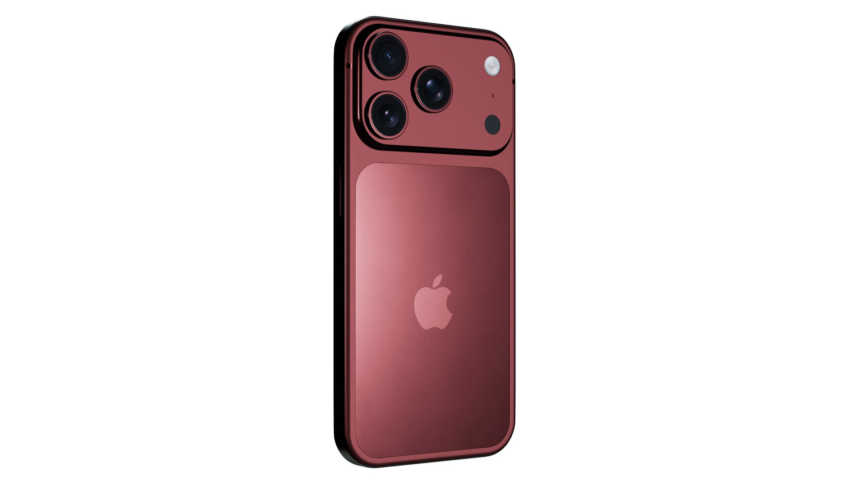
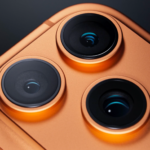
Despite this front-facing adjustment, the overall design language is expected to remain consistent with the iPhone 17 Pro series. The familiar triple-camera layout on the rear is likely to stay intact, reinforcing Apple’s preference for design continuity.
Display sizes are also expected to remain unchanged:
- 6.3 inches for the iPhone 18 Pro
- 6.9 inches for the Pro Max variant
This consistency suggests that Apple sees little need to alter screen dimensions, instead focusing on maximizing usable display space through internal refinements.
Camera System: Precision Over Reinvention
Apple’s camera strategy for the iPhone 18 Pro appears to follow a pattern of targeted enhancements rather than radical redesign.



The triple-camera system is expected to continue, but with several notable upgrades:
- Introduction of a variable aperture in the main camera
- Improved sensors for enhanced low-light performance
- Upgraded telephoto lens for better zoom capabilities
- Reduced shutter lag and improved dynamic range
There are also indications of a three-layer stacked sensor, which could significantly reduce noise and improve image clarity—particularly in challenging lighting conditions.
These changes point toward a more professional-grade imaging system, with features that appeal not just to casual users but also to content creators seeking greater control over exposure and depth.
Performance Leap: The A20 Chip and 2nm Efficiency
At the core of the iPhone 18 Pro lies the anticipated A20 chipset, reportedly built on a 2-nanometer process.
This transition represents a significant technological step forward. Expected benefits include:
- Up to 15% performance improvement
- Around 30% better energy efficiency
The chip is also rumored to integrate RAM directly with the CPU and Neural Engine through advanced packaging techniques, enhancing performance for AI-driven tasks.
This aligns with Apple’s broader direction toward “Apple Intelligence”—a deeper fusion of hardware and software designed to support increasingly complex on-device processing.
Battery and Connectivity: Toward Independence
Battery life is another area where Apple appears to be pushing forward.
Reports indicate that the iPhone 18 Pro could feature a larger battery, potentially exceeding 5,000mAh. Combined with the efficiency gains from the A20 chip, this could translate into noticeably longer usage times.
On the connectivity front, Apple is expected to introduce its next-generation C2 modem, replacing reliance on external suppliers. This modem may deliver:
- Improved 5G performance
- Enhanced reliability
- Expanded satellite connectivity
Perhaps most notably, satellite-based communication could support third-party applications, allowing users to stay connected even without traditional network coverage. This signals a shift toward network-independent communication—an area of growing strategic importance.
Color Strategy: A Break from Tradition
While hardware upgrades dominate the conversation, Apple’s approach to color is also drawing attention.
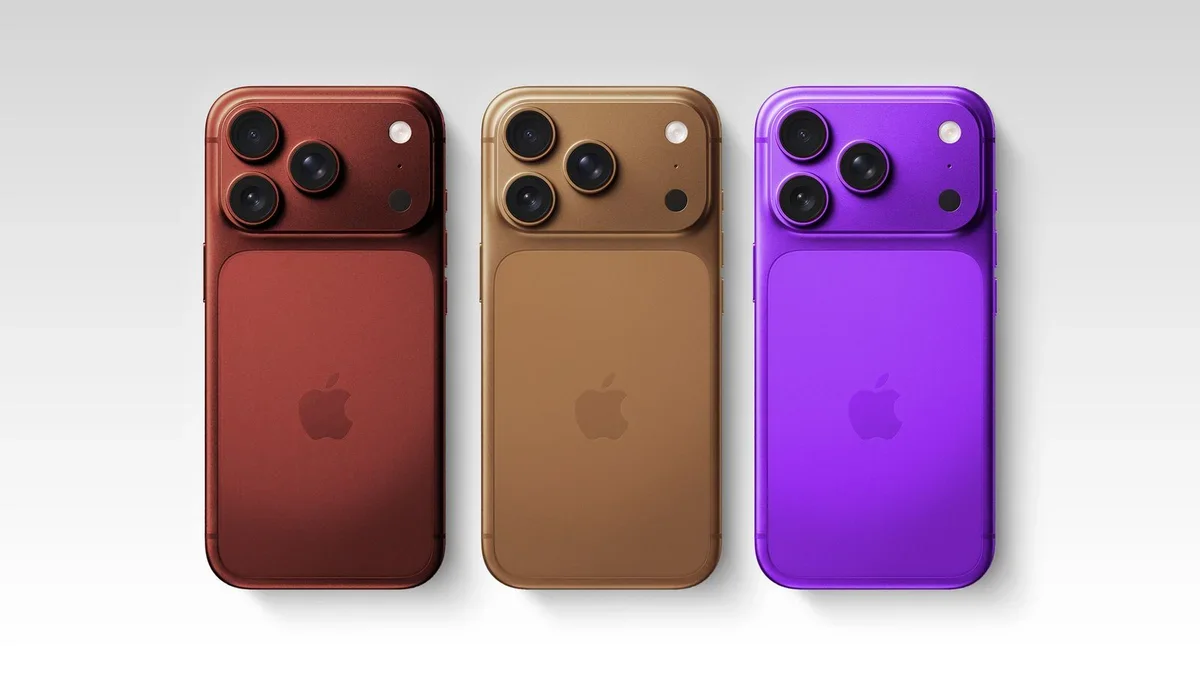
According to leaks, the iPhone 18 Pro may once again exclude a black color option, marking the second consecutive year without this traditionally popular finish. This decision follows the iPhone 17 Pro lineup, which also omitted black in favor of alternatives like blue, silver, and “Cosmic Orange.”
The absence of black may be linked to material considerations, as darker finishes tend to reveal scratches more prominently.
Instead, Apple is reportedly testing new premium colors, including:
- A deep red finish
- Burgundy and other refined tones
If confirmed, this would represent a continued shift toward distinctive, high-visibility color identities for its Pro devices.
Pricing and Market Positioning: Stability Over Shock
Despite rising production costs, Apple is expected to maintain a relatively stable pricing strategy for the iPhone 18 Pro.
Projected pricing includes:
- Starting around $1,099 for the iPhone 18 Pro
- Higher configurations potentially reaching $1,299
This approach reflects a deliberate effort to:
- Preserve psychological price thresholds
- Retain loyal premium customers
- Absorb cost increases internally, particularly in key markets
In regions with higher import duties and currency fluctuations, pricing may vary significantly, reinforcing Apple’s flexible global strategy.
Launch Strategy: A Shift in Timing
Another notable development is Apple’s evolving launch strategy.
Instead of releasing all models simultaneously, the company may adopt a staggered rollout:
- September 2026: iPhone 18 Pro and Pro Max
- Later phase: Foldable iPhone
- Early 2027: Standard iPhone 18
This phased approach allows Apple to:
- Extend product visibility across multiple quarters
- Focus marketing efforts on individual segments
- Better manage supply and demand
What This Means for the Industry
The iPhone 18 Pro is less about disruption and more about direction.
It reflects several broader trends in the smartphone industry:
- A move toward AI-centric hardware design
- Increasing emphasis on efficiency over raw power
- Gradual adoption of under-display technologies
- Expansion of satellite and alternative connectivity systems
Rather than chasing dramatic innovation cycles, Apple appears to be refining its ecosystem with long-term integration in mind.
Conclusion: Refinement as Strategy
The iPhone 18 Pro is shaping up to be a product defined by precision rather than spectacle.
From a smaller Dynamic Island to improved camera control, enhanced processing efficiency, and expanded connectivity, each upgrade serves a clear purpose. Together, they form a cohesive vision: a device that evolves intelligently without abandoning its established identity.
For consumers, the question is no longer whether the iPhone changes dramatically each year—but whether these refinements meaningfully enhance the experience. Apple’s strategy suggests confidence that they do.