




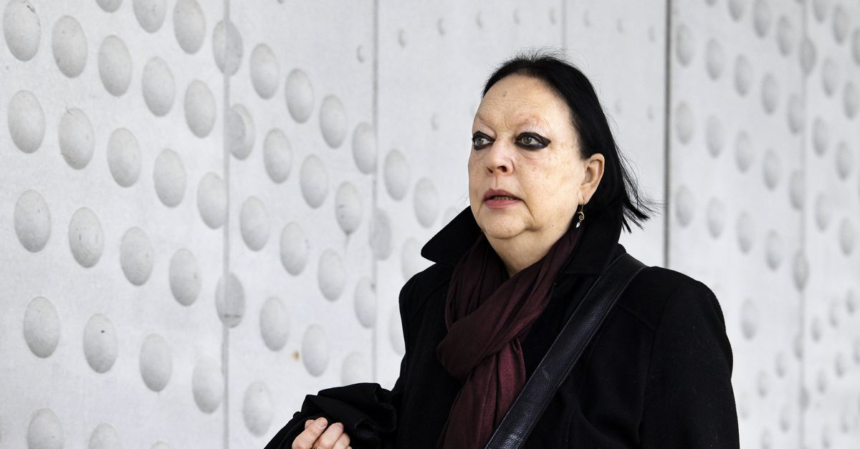
Inside the Marengo Trial Fallout: Inez Weski, Youssef Taghi, and the Crisis of Legal Trust
A Legal System Under Strain
Few legal sagas in the Netherlands have tested the boundaries of the justice system as intensely as the case surrounding Inez Weski, her former client Ridouan Taghi, and the broader network that includes Youssef Taghi and lawyer Vito Shukrula.
- A Legal System Under Strain
- The Marengo Trial: Context Behind the Crisis
- The Arrest of Inez Weski: A Turning Point
- Youssef Taghi: The Internal Link
- Vito Shukrula and the Expanding Legal Scrutiny
- Confidentiality vs. Security: A Legal Dilemma
- Impact on the Dutch Legal Profession
- Broader Societal Implications
- What Comes Next?
- Conclusion: A Defining Moment for Justice
At the center of this unfolding story is a profound question: where does legal representation end, and criminal complicity begin? The answer is reshaping public trust in the legal profession and raising difficult constitutional concerns.

The Marengo Trial: Context Behind the Crisis
The developments surrounding Weski cannot be understood without examining the scale and gravity of the Marengo trial, one of the largest organized crime prosecutions in Dutch history.
The case targets an alleged criminal organization led by Ridouan Taghi, accused of orchestrating multiple killings and operating a far-reaching drug trafficking network. The trial has been marked by extraordinary security measures, including fortified courtrooms and heightened protection for legal professionals.
This environment has already seen extreme consequences:



- The assassination of lawyer Derk Wiersum
- The killing of journalist Peter R. de Vries
Against this backdrop, any breach of legal ethics or procedure carries heightened national significance.
The Arrest of Inez Weski: A Turning Point
The arrest of Inez Weski sent shockwaves through the Dutch legal community.
Weski, long regarded as a formidable and experienced criminal defense lawyer, was accused of passing messages between Ridouan Taghi and individuals outside prison. Authorities alleged that these communications may have supported ongoing criminal operations.
The implications were immediate and severe:



- A defense lawyer was no longer just representing a client but allegedly facilitating communication for a criminal network
- Confidentiality between lawyer and client—normally sacrosanct—came under scrutiny
Weski has consistently denied wrongdoing, maintaining that she acted within the boundaries of legal representation.
Youssef Taghi: The Internal Link
A critical dimension of the case involves Youssef Taghi, a relative of Ridouan Taghi who had access to him during detention.
Authorities suspect that Youssef Taghi played a role in transmitting messages from prison to the outside world. His involvement highlights a broader concern: that communication networks around high-profile detainees can extend beyond formal legal channels.
This alleged internal relay system intensified scrutiny of all individuals with access to the accused, including legal counsel.
Vito Shukrula and the Expanding Legal Scrutiny
The case expanded further with attention turning to Vito Shukrula, another lawyer connected to the defense of Ridouan Taghi.
Shukrula’s involvement underscored a troubling pattern: multiple individuals within the legal orbit of the case were now being examined for potential breaches of conduct.
While each case must be assessed independently, the cumulative effect has been significant:
- Increased pressure on the Dutch Bar Association
- Calls for stricter oversight of lawyer-client communication
- Concerns about whether existing safeguards are sufficient
Confidentiality vs. Security: A Legal Dilemma
At the heart of the controversy lies a fundamental tension in criminal law:
The right to confidential legal counsel vs. the need to prevent criminal activity.
Traditionally, lawyer-client privilege is protected to ensure fair trials and robust defense rights. However, in cases involving organized crime networks, authorities argue that this privilege can be exploited.
The Weski case has forced policymakers and legal experts to reconsider:
- Should privileged communication be monitored in exceptional cases?
- How can authorities intervene without undermining due process?
There is no simple resolution. Any reform risks tipping the balance either toward excessive surveillance or insufficient control.
Impact on the Dutch Legal Profession
The fallout has extended beyond the courtroom.
1. Trust in Lawyers
Public perception of criminal defense lawyers has shifted. While many continue to uphold strict ethical standards, high-profile cases like this have introduced skepticism.
2. Security Measures
Lawyers involved in serious criminal cases now face:
- Increased personal risk
- Greater surveillance
- More administrative oversight
3. Professional Boundaries
The case has sparked internal debate within the legal community about:
- The limits of advocacy
- The responsibilities of defense counsel in high-risk cases
Broader Societal Implications
This case is not merely about individual actors—it reflects structural challenges in modern justice systems.
Organized crime has evolved:
- More decentralized communication networks
- Greater use of intermediaries
- Increased attempts to exploit legal protections
As a result, legal systems must adapt while preserving fundamental rights.
The Dutch experience may serve as a reference point for other countries confronting similar issues.
What Comes Next?
The legal proceedings involving Inez Weski and associated figures remain critical for determining both individual accountability and systemic reform.
Key developments to watch include:
- Court rulings on the admissibility of evidence involving lawyer-client communications
- Possible legislative changes affecting legal privilege
- Outcomes of investigations involving other individuals connected to the case
Regardless of the final verdicts, the case has already left a lasting imprint on Dutch law and legal ethics.
Conclusion: A Defining Moment for Justice
The intersection of Inez Weski, Ridouan Taghi, Youssef Taghi, and Vito Shukrula represents more than a high-profile legal drama.
It is a stress test for the principles that underpin democratic justice systems:
- fairness
- confidentiality
- accountability
The outcome will likely influence not only the Dutch legal landscape but also broader international debates about how to confront organized crime without eroding the rights that define the rule of law.