Huguette Clark Net Worth, Relationships, Age/Birthdate & Birthday
Overview of Huguette Clark — net worth, relationships, age/birthdate, and birthday.
 loveness92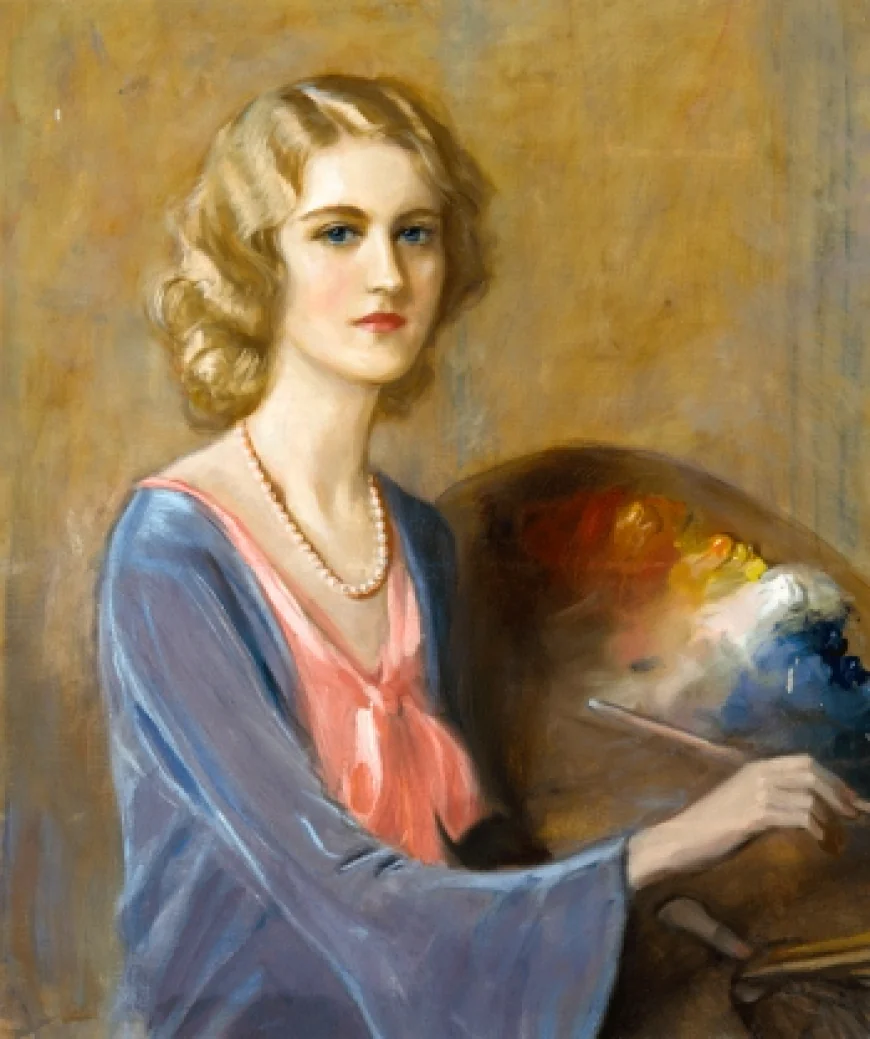
The Enigmatic Heiress — Huguette Marcelle Clark
There are few lives in American history as fascinating — and as mysteriously fraught — as that of Huguette Clark. Born into extravagant wealth, she inherited a vast copper fortune, then spent decades shunning the public eye, living in hospital rooms while mansions and estates sat unused. Her story is one of wealth, art, solitude, and generational legacy — an almost mythic journey across the 20th century.
Born into Gilded-Age Opulence
Huguette Clark’s story begins on June 9, 1906, when she was born in Paris, France. Her full name: Huguette Marcelle Clark. Her father was William A. Clark, a Montana copper magnate, railroad tycoon, and former U.S. Senator whose fortunes rose as the American West developed. Her mother, Anna E. La Chapelle Clark, was significantly younger than William, which added a controversial aspect to their marriage in some circles.
Though born in Europe, Huguette spent much of her youth in New York. As a child of privilege, she attended the prestigious Spence School, surrounded by the trappings of one of America’s privileged families. Her upbringing was lavish — the kind of upbringing associated with Manhattan mansions, railroads, and copper mines — setting the stage for a life many would envy.
A Brief Foray into the World — And Then Quiet Withdrawal
In 1927, society took notice when Huguette announced her engagement to law student William MacDonald Gower, the son of a business associate of her father. The wedding followed on August 18, 1928, at the family’s sprawling California estate Bellosguardo in Santa Barbara — a property as grand as it was picturesque. Yet the union was short-lived: by 1929 they separated, and the divorce was finalized in Reno, Nevada, on August 11, 1930.
That marked the end of Huguette’s public flirtation with high society. After the divorce, she returned to her New York apartment — a multi-floor dwelling on Fifth Avenue — and began retreating from the world.
Despite her seclusion, she remained creatively spirited. In 1929, she exhibited seven of her own paintings at the prestigious Corcoran Gallery of Art in Washington, D.C. She also developed a passion for collecting visual art — including antique dolls and toys — and would spend years curating items for her personal collection.
In the 1950s, she purchased a 52-acre estate in New Canaan, Connecticut. She also retained the Bellosguardo estate and other properties — though, in a pattern that would come to define her legacy, she rarely used them.
Wealth and Solitude: The Heiress Who Vanished from Public Life
Huguette Clark’s life took a turn toward privacy — and mystery. After her mother’s death in 1963, she withdrew almost completely from social life. The sprawling mansions, extravagant apartments, and estates remained intact, but Huguette herself disappeared from public view.
In 1991, she moved into a hospital — not because of severe illness, but seemingly by choice — and spent the final two decades of her life there, largely cut off from the outside world. Despite owning luxurious properties across the country — from Fifth Avenue apartments to estates in California and Connecticut — she chose anonymity and quiet over grandeur.
Journalists and investigators later described her hospital stay as “almost hotel-like”: private nurses, meals, a room overlooking Central Park — and only occasional visitors. To some, this withdrawal represented a tragic isolation; to others, a deliberate escape from the burdens of old money and public scrutiny.
Estimating the Estate: Net Worth, Assets, and Generosity
At the time of her death, estimates of Huguette Clark’s fortune varied — partly due to the complexity of her holdings and the labyrinthine state of her estate. Some sources place her net worth at approximately US$300 million, while others cite estimates up to US$500 million when accounting for real estate, art, and other assets.
Her assets included:
-
Multiple Fifth Avenue apartments in Manhattan (combining to a 42-room co-op).
-
A 23-acre seaside estate (Bellosguardo) in Santa Barbara, California.
-
A 52-acre estate in New Canaan, Connecticut — a property she never actually occupied, even after purchasing it.
-
A significant collection of art, antique toys, and dolls, amassed over decades.
Yet, despite this — or perhaps because of her desire for privacy — Huguette did not leave a traditional legacy. Her final years were marked by sporadic generosity rather than flashy philanthropy: she reportedly gave millions to her private nurse, to hospital workers, and made other small cash gifts — sometimes cashing out property to do so.
Bonds That Mattered: Trust, Care — and Controversy
One of the most compelling chapters of Huguette’s life concerns her relationship with her longtime nurse, Hadassah Peri. When Huguette first entered hospital care in the early 1990s, Hadassah was assigned as her day nurse. Over the next two decades, their bond deepened — to the point where many medical staff described Hadassah as Huguette’s primary companion.
Their connection was so profound that Huguette entrusted Hadassah (and even her family) with substantial financial gifts over the years — reportedly over US$30 million in properties, cars, medical costs, tuition, and cash.
At the same time, critics and some distant relatives raised alarms. They questioned the possible undue influence on a reclusive, elderly heiress whose will appeared to exclude almost all of her extended family. The controversy erupted more visibly following her death, when the handling of her fortune, and the distribution of her will, became the focus of legal battles and media scrutiny.
A Life That Defied Expectations — And A Legacy Shrouded in Mystery
Huguette Clark’s birthday — June 9 — evokes a life born into grandeur. Yet the conventional trappings of success — the society pages, the public philanthropy, the social circles — rarely featured in her lifetime. Instead, her story is one of paradox: immense wealth, yet intense solitude; sprawling homes, yet quiet hospital rooms; public curiosity, yet private retreat.
Her journey challenges our assumptions about what it means to inherit wealth. For Huguette, the inheritance was not a passport to perpetual opulence in the public spotlight — but rather a complicated inheritance of isolation, secrecy, and introspection.
In death, as in life, much about her remains unresolved. Conflicting net-worth estimates, disputed wills, contested bequests — all serve as reminders that, even when money changes hands, the human stories behind fortunes can remain elusive.