

Hugo Broos: The Veteran Architect Shaping African Football
A Career Defined by Reinvention
Few European coaches have embedded themselves in African football with the consistency and longevity of Hugo Broos. Over decades, the Belgian tactician has transitioned from a respected player in Europe to a pragmatic and often polarizing manager across multiple African national teams.
- A Career Defined by Reinvention
- From Belgium to Africa: A Strategic Shift
- South Africa and the Ntseki Transition
- Tactical Identity: Efficiency Over Aesthetics
- Speculation and Links: Morocco, Algeria, Nigeria
- Hugo Broos and Public Presence: The Instagram Factor
- Influence on African Football Culture
- Challenges and Criticism
- What Comes Next?
- Conclusion: A Pragmatist in a Changing Game
Broos is not a coach defined by flashy systems or media presence. Instead, his reputation has been built on discipline, tournament pragmatism, and an ability to extract results in high-pressure continental competitions. His work across nations such as Cameroon, South Africa, and his rumored or discussed links to countries like Morocco, Algeria, and Nigeria reflects both his influence and the demand for experienced leadership in African football.
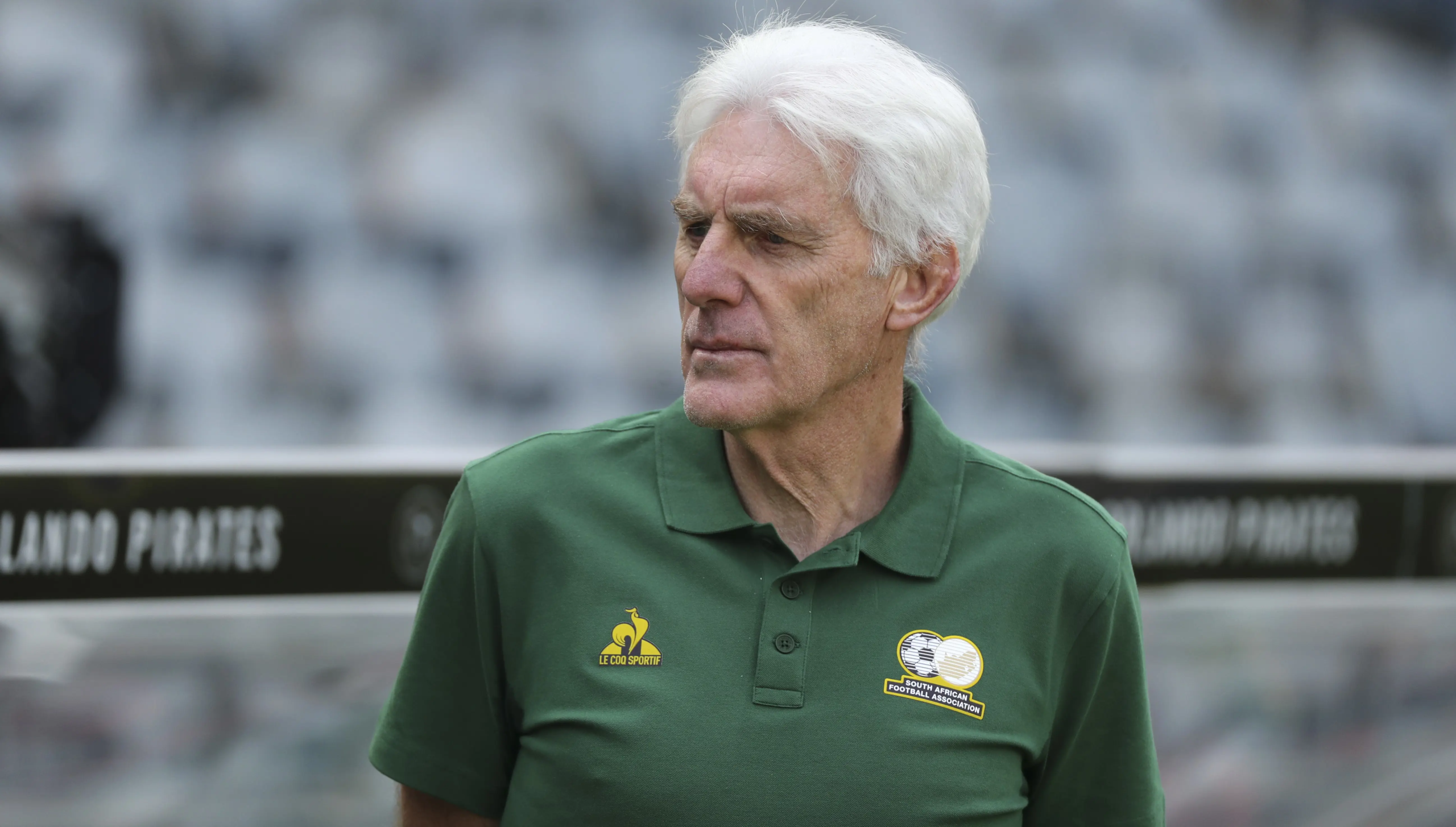
From Belgium to Africa: A Strategic Shift
Before becoming a familiar name on the African football landscape, Broos had an extensive career in Belgium, both as a player and coach. However, his defining chapter began when he accepted the challenge of managing the Cameroon national football team.


The AFCON Breakthrough
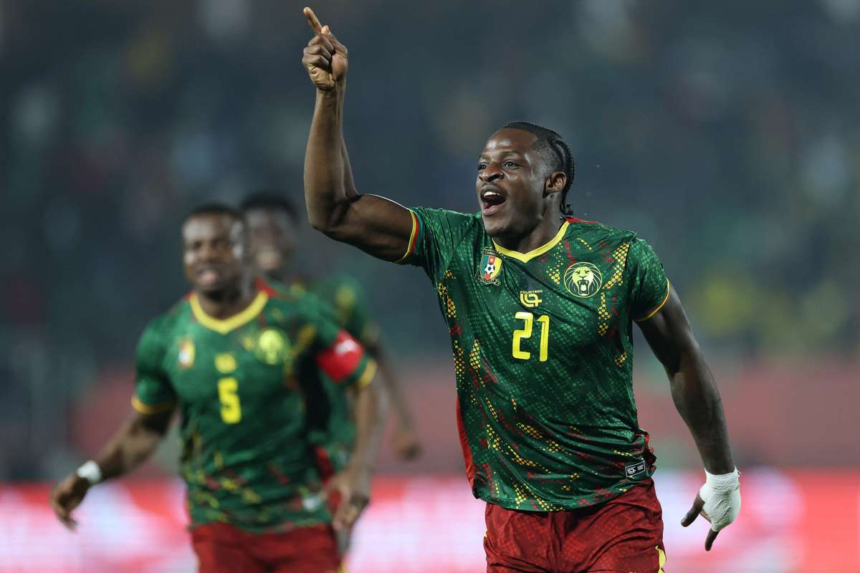
His most significant achievement came in 2017 when he led Cameroon to victory in the Africa Cup of Nations (AFCON). The triumph was unexpected, particularly given the absence of several high-profile players who had declined call-ups.
This victory established Broos as a coach capable of working with limited resources and still achieving elite results. It also marked the beginning of his strong association with African football federations seeking stability and tournament success.



South Africa and the Ntseki Transition
Broos later took over the South Africa national football team, a side struggling for consistency and identity.
Collaboration and Contrast with Molefi Ntseki
The transition from former coach Molefi Ntseki to Broos highlighted a shift in philosophy. Ntseki’s tenure was characterized by developmental focus and long-term rebuilding, while Broos introduced a more results-driven, structured approach.
Under Broos:
- Squad selection became more merit-based and less experimental
- Tactical discipline was prioritized over flair
- Younger players were integrated with clearer roles
This contrast sparked debate within South African football circles, particularly regarding whether immediate results should outweigh long-term development.



Tactical Identity: Efficiency Over Aesthetics
Broos is often described as a “tournament coach.” His methods emphasize:
- Defensive organization
- Compact midfield structures
- Quick transitions rather than possession dominance
This approach has proven effective in competitions like AFCON, where knockout formats reward discipline and game management over expansive play.
However, critics argue that his style can limit creative expression, particularly in teams with technically gifted players.
Speculation and Links: Morocco, Algeria, Nigeria
Broos’ name has frequently surfaced in discussions around other African national teams, including:
- Morocco
- Algeria
- Nigeria
These associations reflect a broader pattern in African football: federations often seek experienced, tournament-proven coaches during transitional periods.
Why Broos Fits These Profiles
For countries like Morocco, Algeria, and Nigeria—nations with strong player pools and high expectations—the appeal of Broos lies in:
- His AFCON-winning pedigree
- Experience managing diverse squads
- Ability to stabilize underperforming teams
At the same time, these links also highlight a recurring tension: whether federations should prioritize local coaching development or continue relying on experienced foreign managers.
Hugo Broos and Public Presence: The Instagram Factor
Unlike many modern coaches, Hugo Broos maintains a relatively low digital footprint. Searches for “Hugo Broos Instagram” often reflect public curiosity rather than an active personal brand.
In an era where coaches like Pep Guardiola or José Mourinho are global personalities, Broos remains focused on football operations rather than public image.
This understated presence reinforces his reputation as a traditional, results-oriented manager rather than a media-driven figure.
Influence on African Football Culture
Broos’ impact extends beyond results. His career raises broader questions about:
1. Coaching Philosophy in Africa
Should teams prioritize tactical discipline or expressive play?
2. Local vs Foreign Coaches
Broos’ success contrasts with ongoing efforts to empower local coaches like Molefi Ntseki.
3. Tournament Strategy vs Long-Term Development
His approach favors immediate competitiveness, sometimes at the expense of broader developmental systems.
These debates are central to the evolution of African football governance and identity.
Challenges and Criticism
Despite his achievements, Broos has faced criticism throughout his career:
- Perceived rigidity in tactical systems
- Limited emphasis on attacking football
- Occasional friction with players and federations
Such critiques are not uncommon for coaches operating in high-pressure environments, particularly in national team setups where expectations are immediate and often uncompromising.
What Comes Next?
As African football continues to evolve—with increased investment, global exposure, and rising talent pipelines—the role of experienced managers like Hugo Broos remains significant.
Future developments could include:
- Continued involvement with national teams in transition
- Advisory or technical director roles
- Influence on coaching structures within African federations
Given his track record, Broos is likely to remain part of the conversation whenever a national team seeks stability and competitive edge.
Conclusion: A Pragmatist in a Changing Game
Hugo Broos represents a specific archetype in modern football: the pragmatic, tournament-focused manager who prioritizes structure over spectacle.
His journey from Belgium to Africa, his AFCON triumph, and his ongoing relevance across multiple national team discussions underline a career built on adaptability and results.
In a football landscape increasingly shaped by analytics, branding, and attacking philosophies, Broos stands as a reminder that discipline and tactical clarity still win tournaments.