




Taylor Swift Net Worth: Inside a $2 Billion Music Empire
A Modern Blueprint for Wealth in Music
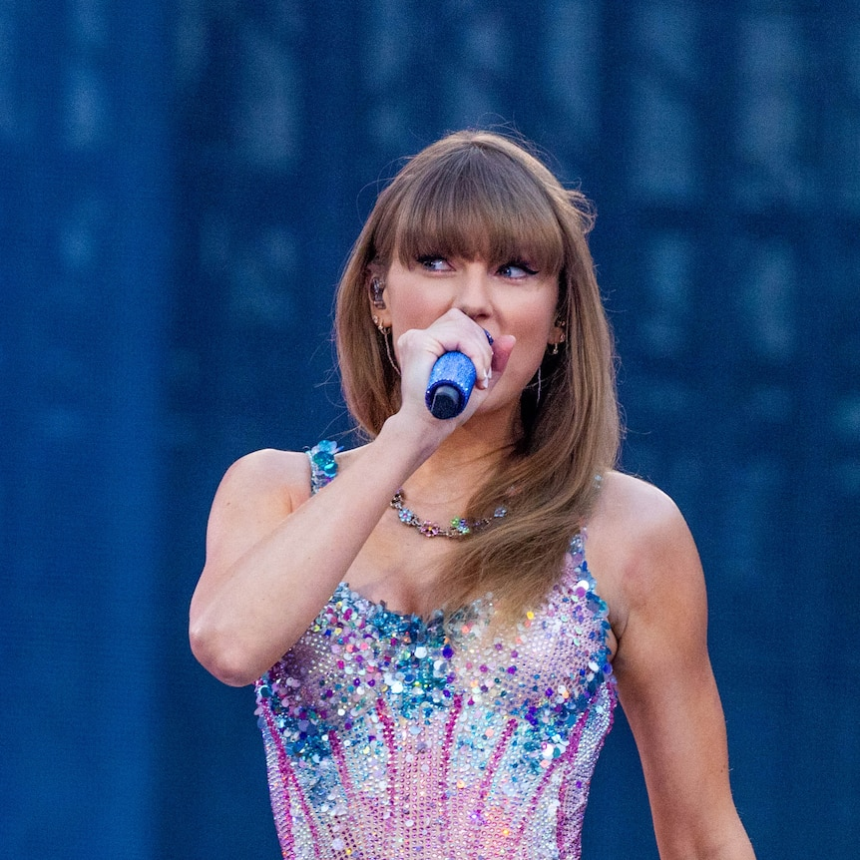
As of March 2026, Taylor Swift has an estimated net worth of approximately $2 billion, placing her among the wealthiest entertainers in history and firmly establishing her as the richest female musician globally.
- A Modern Blueprint for Wealth in Music
- The Core Architecture of a Billion-Dollar Portfolio
- A Historic Position in the Global Wealth Rankings
- Career Scale: The Engine Behind the Numbers
- Industry Impact: Redefining Artist Economics
- The Cultural Dimension of Wealth
- What Comes Next: Sustaining a $2 Billion Empire
- Conclusion
What makes this figure structurally significant is not just its scale, but how it was built. Unlike many celebrity billionaires whose fortunes are driven by external ventures such as cosmetics or fashion, Swift’s wealth is primarily rooted in music ownership, songwriting, and touring performance revenue.
This distinction has redefined financial pathways within the music industry and positioned Swift as a case study in artist-led wealth creation.
The Core Architecture of a Billion-Dollar Portfolio
Swift’s net worth is not a single revenue stream but a diversified portfolio anchored in intellectual property and live performance economics.
1. Music Catalog: The Foundation of Long-Term Wealth
At the center of Swift’s financial empire is her music catalog, valued at approximately $600–800 million.



This includes:
- Publishing rights (songwriting royalties)
- Master recordings
- Licensing revenue for film, TV, and advertising
Owning and controlling her catalog—particularly after re-recording earlier albums—has allowed Swift to:
- Capture a larger share of streaming and licensing income
- Retain long-term asset value rather than relying on short-term payouts
This strategy is now widely regarded as one of the most influential financial moves by a modern artist.
2. Touring and Performance Revenue: The Growth Engine
If the catalog represents stability, touring represents acceleration.



Swift has generated nearly $800 million directly from performances and music-related income streams.
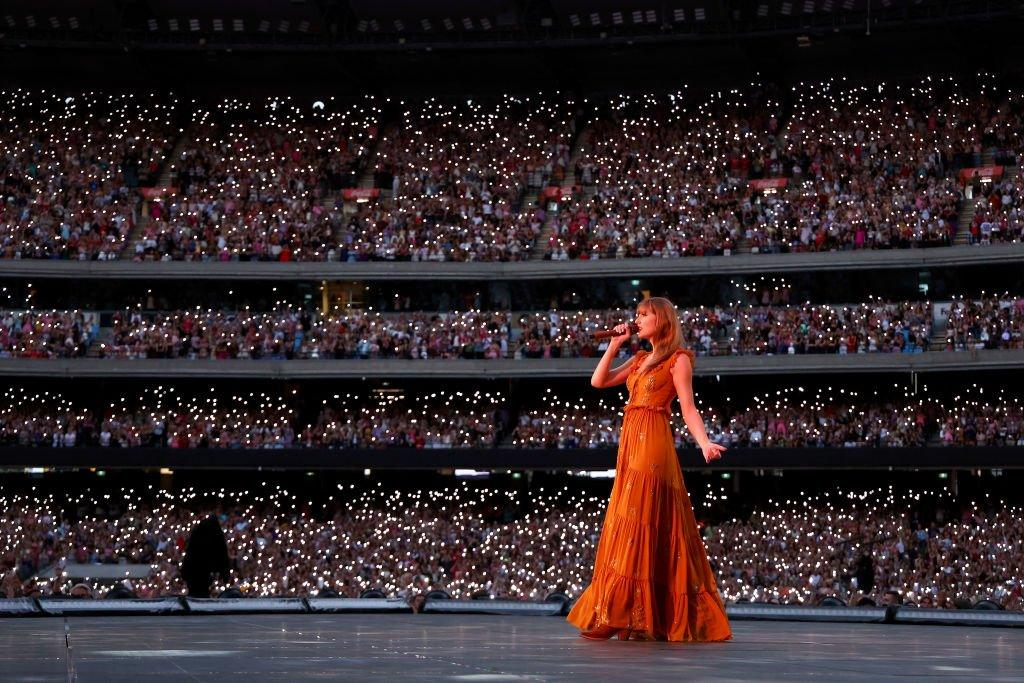
Her landmark Eras Tour fundamentally reshaped live entertainment economics:
- First concert tour in history to surpass $2 billion in revenue
- Over 10 million attendees globally
- Significant multiplier effects on local economies
The tour also extended into adjacent revenue streams:
- A record-breaking concert film
- Streaming rights deals worth tens of millions
- Merchandise sales estimated in the tens of millions
This multi-channel monetization model has become a benchmark for global touring strategies.
3. Real Estate Holdings: Asset Stability
Swift’s portfolio includes more than $100–150 million in real estate assets across the United States.
These properties span:
- New York City luxury residences
- Beverly Hills estates
- Nashville holdings tied to her early career
While not the primary driver of her wealth, real estate provides:
- Long-term capital appreciation
- Portfolio diversification
- Financial stability outside entertainment cycles
4. Additional Revenue Streams and Partnerships
Although Swift’s wealth is primarily music-driven, she has also generated income through:
- Brand partnerships (e.g., Apple, Capital One, AT&T)
- Merchandise tied to tours and album releases
- Film and media ventures
However, these streams remain secondary compared to her core revenue drivers—an important distinction in understanding her financial profile.
A Historic Position in the Global Wealth Rankings
Swift’s $2 billion valuation places her among a small group of billionaire musicians.
Within industry rankings:
- She is the wealthiest female musician
- One of only a handful of artists to reach billionaire status
- Surpassed most peers through organic music earnings rather than external business empires
This positions her uniquely alongside figures like Jay-Z, though their wealth-building strategies differ significantly.
Career Scale: The Engine Behind the Numbers
Swift’s financial success is inseparable from her artistic output and sustained commercial dominance.
Key metrics include:
- Over 200 million records sold worldwide
- Multiple chart-topping albums across decades
- Record-breaking streaming and vinyl sales
- 14 Grammy Awards and numerous industry honors
Her ability to consistently generate high-demand content—while maintaining control over its distribution—has created a compounding effect on her net worth.
Industry Impact: Redefining Artist Economics
Swift’s financial trajectory has had broader implications beyond her personal wealth.
Ownership as a Strategic Standard
Her decision to re-record her catalog shifted industry discourse toward:
- Artist ownership rights
- Contract transparency
- Long-term intellectual property value
Touring as a Global Economic Force
The scale of her tours demonstrated that:
- Concerts can function as macroeconomic events
- Artists can bypass traditional distribution systems
- Direct-to-consumer strategies can outperform legacy models
Streaming and Monetization Influence
Swift’s negotiations with platforms like Apple Music helped reshape:
- Royalty structures
- Artist compensation policies
The Cultural Dimension of Wealth
Swift’s financial growth has also reinforced her cultural influence.
She is not only a commercial figure but a cultural driver, influencing:
- Consumer behavior
- Media cycles
- Political and economic discussions tied to entertainment
Her global fanbase—often referred to as “Swifties”—functions as both a cultural community and a powerful economic force.
What Comes Next: Sustaining a $2 Billion Empire
Looking forward, several factors will determine how Swift’s net worth evolves:
- Continued monetization of her music catalog
- New album cycles and touring expansions
- Film, streaming, and multimedia ventures
- Strategic ownership and licensing deals
Given her current trajectory, her wealth is likely to remain closely tied to creative output rather than external diversification, maintaining the model that made her a billionaire.
Conclusion
Taylor Swift’s $2 billion net worth is not simply a reflection of celebrity success—it is the result of a deliberate, structurally sound financial model built on ownership, scale, and sustained demand.
By prioritizing control over her work and leveraging touring as a global revenue engine, she has redefined what financial success looks like in modern music.
Her trajectory represents a shift in the industry: from artists as performers to artists as long-term asset builders.