




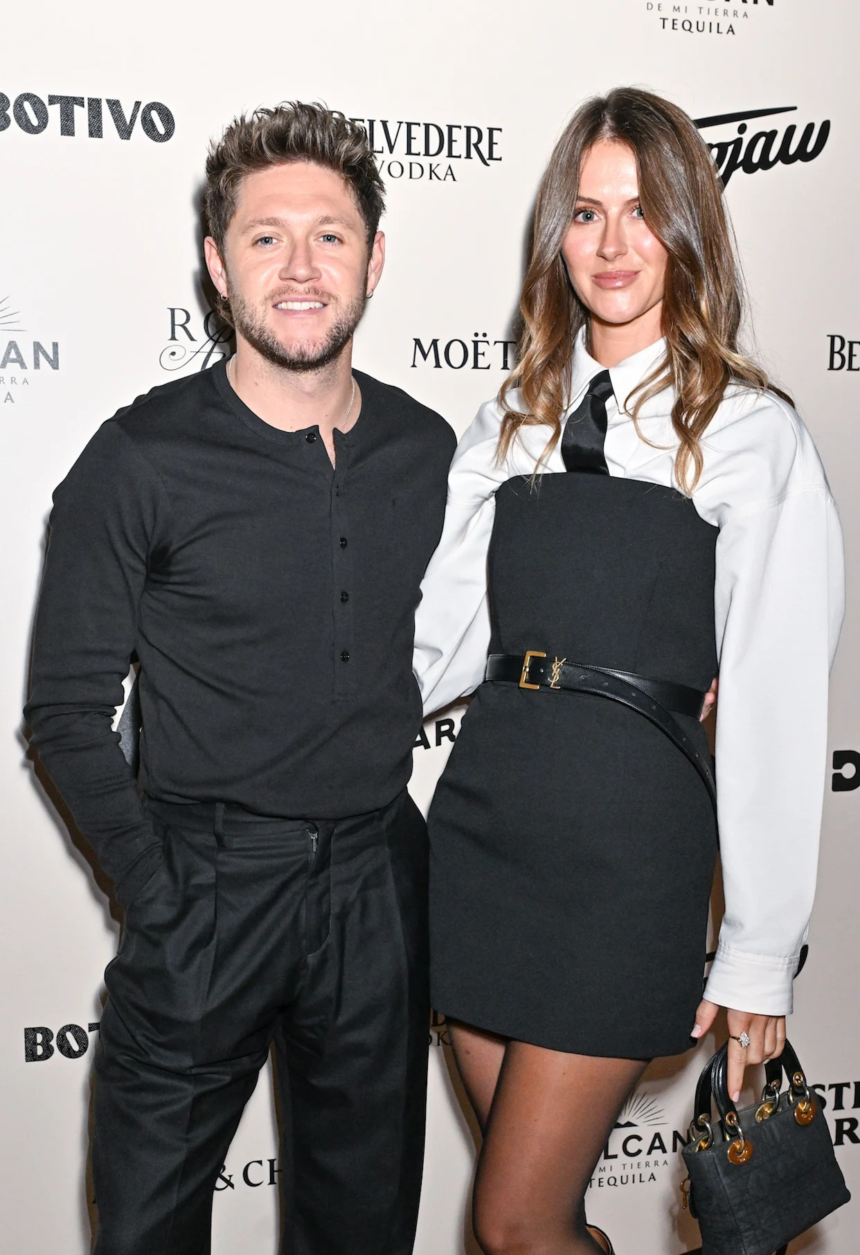
Niall Horan’s New Chapter: Love, Music, and the Moment That Changed Everything
A Defining Turning Point in Niall Horan’s Story
For Niall Horan, the transition from global boyband stardom to a mature, introspective solo career has been marked by steady evolution. But as he prepares to release his new single “Dinner Party” on March 20, a more personal narrative has come into focus—one rooted not in chart performance or touring milestones, but in a single evening that altered the trajectory of his life.
- A Defining Turning Point in Niall Horan’s Story
- The Song That Anchors an Entire Era
- From One Direction to Personal Storytelling
- The Relationship Behind the Music
- A Moment That Became a Narrative Framework
- Strategic Build-Up and Fan Engagement
- Cultural and Industry Implications
- Looking Ahead: A Career in Its Second Act
- Conclusion
At 32, Horan is not only unveiling new music; he is publicly anchoring his creative direction to his relationship with Amelia Woolley—a partnership that has quietly shaped both his personal and artistic identity over the past six years.
The Song That Anchors an Entire Era
“Dinner Party” is not just another single release. By Horan’s own account, it is the conceptual foundation of his forthcoming fourth studio album.
Speaking during a promotional appearance, he explained how the track became a creative catalyst:
“Because my relationship started on the night that this song is about… And I realized that that dinner party became a bigger thing than just sitting around, getting drunk and having a bit of food. It’s become the next six years of my life and hopefully the rest of it.”
The statement reflects a shift in narrative tone. Rather than abstract storytelling or broad emotional themes, Horan is grounding his songwriting in a precise, lived experience—an evening where he met Woolley through mutual friends.
He further emphasized the role of the track in shaping his next project:

“This was the [song] that I was like, ‘OK, this is where the album starts from here.’”
In effect, “Dinner Party” functions as both origin story and thematic nucleus. It establishes the emotional framework for a body of work that explores continuity, commitment, and personal growth.
From One Direction to Personal Storytelling
Horan’s career trajectory provides essential context for this creative pivot. As a member of One Direction, he was part of one of the most commercially successful pop acts of the 2010s. However, his solo discography has demonstrated a gradual shift toward more intimate and reflective songwriting.
-
Flicker (2017) debuted at No. 1
-
Heartbreak Weather (2020) reached No. 4
-
The Show (2023) debuted at No. 2
All three albums landed within the top five of the Billboard 200, indicating sustained commercial relevance alongside artistic evolution.
The upcoming fourth album—yet to be formally announced—appears poised to deepen that trajectory, using real-life experiences as structural anchors rather than peripheral inspiration.


The Relationship Behind the Music
Horan’s relationship with Amelia Woolley began around 2020, and has largely remained private. The couple has made occasional public appearances, including outings at events such as Wimbledon, while maintaining a relatively low profile.
Their presence together at significant moments—including Horan attending the funeral of his former bandmate Liam Payne with Woolley—signals a relationship that extends beyond casual association into long-term partnership.
Woolley herself operates within the fashion industry, having worked with established brands such as Dior and Nicholas Kirkwood. Her professional background contrasts with Horan’s public-facing career, which may partially explain the couple’s preference for privacy.
However, that privacy has not diminished her influence. Horan has openly acknowledged that his recent music is “largely inspired by her,” reinforcing the extent to which personal experience now informs his artistic output.
A Moment That Became a Narrative Framework
The significance of “Dinner Party” lies not only in its lyrical content but in what it represents structurally.
Horan described the event that inspired the song as:
“An evening at a simple dinner party that changed the course of my life.”
He added:
“After writing the song, the words ‘dinner party‘ became the nucleus for the rest of the record.”
This framing is notable. Rather than treating the relationship as one of many influences, Horan positions it as the central axis around which the entire album revolves. The creative process becomes retrospective—using a single moment to map out an emotional timeline spanning six years.
Strategic Build-Up and Fan Engagement
In the lead-up to the single’s release, Horan engaged in subtle promotional activity that blended real-world interaction with thematic storytelling.
Fans reported sightings of the singer buying drinks at venues linked to the song’s title, including a Brooklyn restaurant named “Dinner Party” and a Los Angeles location called “Dinner Party and Met Him At a Bar.”
These gestures serve a dual function:
-
reinforcing the authenticity of the narrative
-
embedding the song within a broader experiential context
Such tactics reflect a modern promotional strategy where storytelling extends beyond the music itself into lived, shareable moments.
Cultural and Industry Implications
Horan’s current direction aligns with a broader trend in the music industry: the increasing emphasis on authenticity and narrative cohesion.
Artists are moving away from loosely connected singles toward concept-driven projects anchored in personal experience. In this context, Horan’s approach positions him within a cohort of artists leveraging autobiographical storytelling as a core creative device.
There are several implications:
-
Audience connection: Personal narratives foster stronger emotional engagement
-
Brand differentiation: Authentic storytelling distinguishes artists in a saturated market
-
Longevity: Grounding music in lived experience can extend relevance beyond immediate chart cycles
For Horan, whose career began in a highly manufactured pop environment, this evolution represents a strategic and artistic recalibration.
Looking Ahead: A Career in Its Second Act
As “Dinner Party” arrives on March 20, it signals more than a new release—it marks the beginning of a new phase.
Horan is no longer navigating the transition from boyband fame to solo credibility. Instead, he is entering a stage defined by:
-
established commercial success
-
a clear artistic identity
-
and a stable personal foundation
His own words suggest long-term intent:
“It’s become the next six years of my life and hopefully the rest of it.”
If that sentiment carries through the forthcoming album, listeners can expect a project that is not only cohesive but deeply personal—an exploration of time, relationships, and the moments that quietly reshape a life.
Conclusion
Niall Horan’s upcoming single “Dinner Party” encapsulates a pivotal shift in both his music and personal narrative. By anchoring his creative process in a single defining moment—his first meeting with Amelia Woolley—he transforms a private experience into a public artistic statement.
In doing so, Horan reinforces a broader movement within contemporary music toward authenticity and narrative depth. The result is a body of work that is likely to resonate not just for its melodies, but for the lived experiences it represents.
As his fourth album approaches, one thing is clear: this is not merely another release cycle. It is the continuation of a story that began, quite simply, at a dinner table.