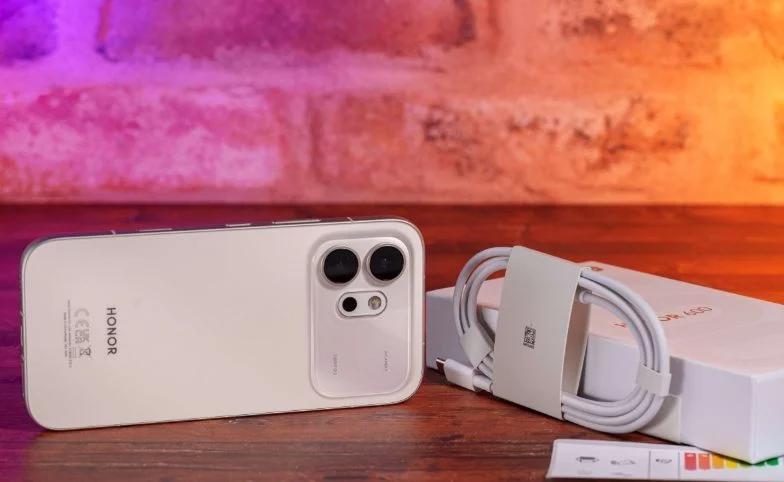
Introduction: Two Phones, One Strategy
Honor’s latest 600 series enters the market with a clear ambition: deliver flagship-level experiences without flagship pricing. At the center of this strategy are two devices—the Honor 600 and the Honor 600 Pro—which share a surprisingly large number of features but diverge in key areas that matter depending on how you use your phone.
Rather than creating a clear “good vs better” divide, Honor has taken a more nuanced approach. Both phones are built on a strong common foundation—high-end displays, massive batteries, and advanced AI features—while the Pro version selectively enhances performance, camera versatility, and charging capabilities.
This guide breaks down the real-world differences, helping you decide which device aligns with your needs.
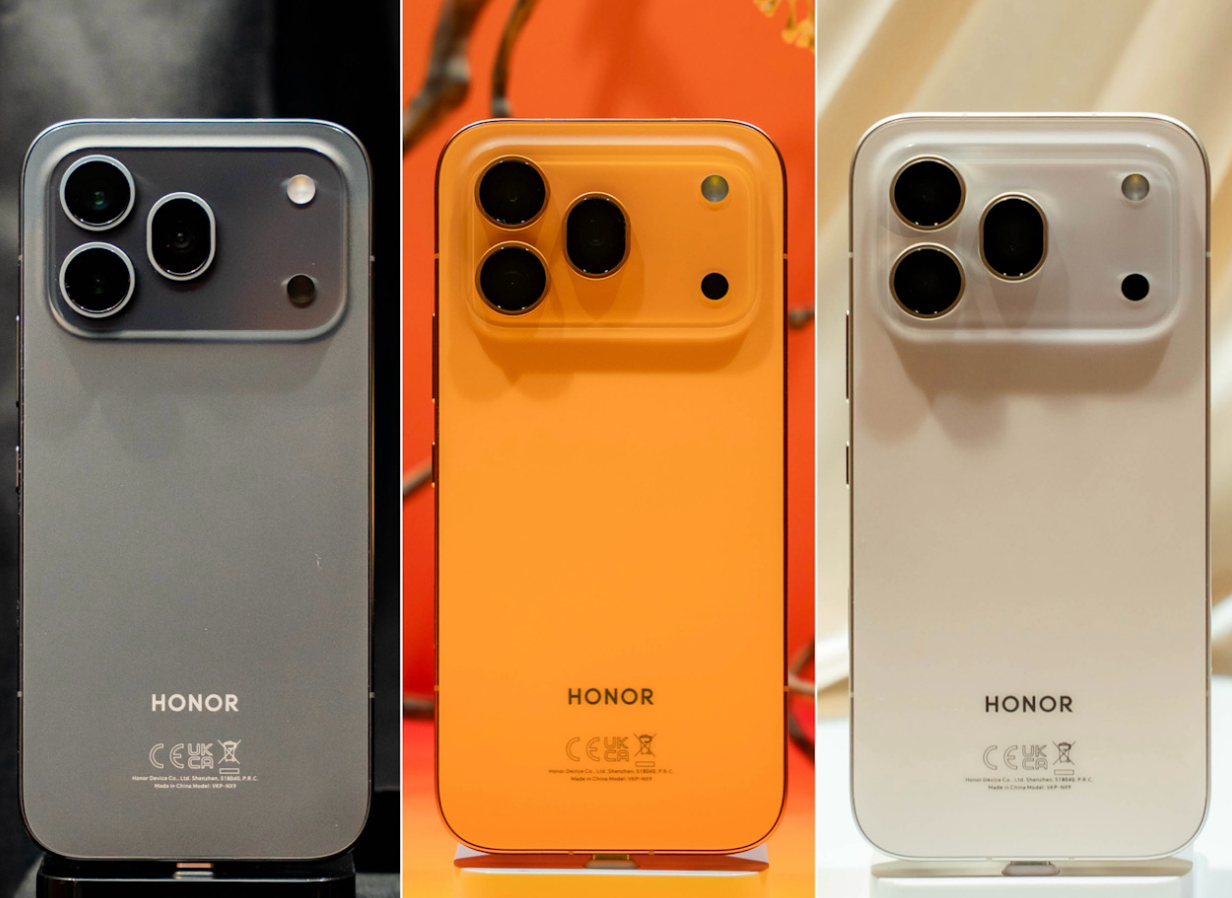
A Shared Foundation: What You Get on Both Phones
Before diving into differences, it’s important to understand just how much these two devices have in common.
Display and Visual Experience
Both the Honor 600 and 600 Pro feature a 6.57-inch AMOLED display with:
- 120Hz refresh rate
- 1.5K resolution (1264 × 2728)
- HDR Vivid support
- Peak brightness up to 8,000 nits
This puts both devices among the brightest smartphones available, ensuring excellent outdoor visibility and vibrant color reproduction.
Battery and Endurance
A standout feature of the entire lineup is the 7,000mAh silicon-carbon battery, a capacity that significantly exceeds most competitors.
- 80W wired charging
- 27W reverse charging
- Multi-day battery potential depending on usage
Battery endurance is one of the defining strengths of the series, emphasizing reliability and longevity over incremental gains.
Durability and Build
Both models are designed with durability in mind:
- Glass front + aluminum frame
- IP68 / IP69 / IP69K ratings
- Resistance to dust, water immersion, and high-pressure jets
This level of protection is typically reserved for rugged or premium devices, making it a strong value proposition.
Core Camera Experience
Both phones include:
- 200MP main camera (1/1.4” sensor, OIS)
- 12MP ultrawide lens
- 50MP selfie camera
For everyday photography, the baseline experience is effectively identical—sharp images, strong detail, and advanced AI-assisted enhancements.
Where the Differences Begin
Despite their similarities, the distinctions between the Honor 600 and 600 Pro are deliberate—and meaningful.
1. Performance: Mid-Range vs Flagship Power
This is the most significant divide between the two models.
Honor 600
- Snapdragon 7 Gen 4 (4nm)
- Designed for everyday tasks, multitasking, and efficiency
Honor 600 Pro
- Snapdragon 8 Elite (3nm)
- Flagship-grade performance for gaming, AI workloads, and heavy usage
The difference here isn’t just numerical—it defines how future-proof the device is. The Pro model offers higher processing headroom and faster responsiveness, especially under demanding conditions.
Verdict:
- Casual users: Honor 600 is more than sufficient
- Power users/gamers: Honor 600 Pro is the clear winner
2. Camera System: Zoom vs Simplicity
While both phones share the same main sensor, the Pro model expands the camera system significantly.
Honor 600
- 200MP main
- 12MP ultrawide
- Up to ~30x digital zoom
Honor 600 Pro
- 200MP main
- 50MP telephoto (3.5x optical zoom)
- 12MP ultrawide
- Up to ~120x digital zoom
The addition of a periscope telephoto lens transforms the Pro into a far more versatile photography tool, especially for:
- Portrait photography
- Long-distance shots
- Zoom clarity
The standard model sacrifices this flexibility for a simpler, more streamlined setup.
Verdict:
- Photography enthusiasts: Go Pro
- Casual shooters: Standard model is enough
3. Charging and Connectivity
Another key upgrade on the Pro model is wireless charging.
Honor 600
- 80W wired charging
- 27W reverse wired charging
- No wireless charging
Honor 600 Pro
- 80W wired charging
- 50W wireless charging
- 27W reverse wired charging
Wireless charging is increasingly expected in premium devices, and its absence on the standard model is a notable limitation.
The Pro also includes Bluetooth 6.0 vs 5.4, offering improved connectivity performance.
4. Storage and Variants
Honor 600
- Starts lower (128GB options available)
- More flexible configurations
Honor 600 Pro
- Starts higher (typically 256GB+)
- Premium-focused configurations
This makes the standard model more accessible, while the Pro targets users who want higher baseline specs.
5. Price and Positioning
Pricing reflects the intended audience:
- Honor 600: ~€550
- Honor 600 Pro: ~€800
The gap is substantial, positioning the Pro as an “accessible flagship” and the standard model as a premium mid-range option.
AI Features: A Shared Innovation Layer
Both devices integrate Honor’s AI ecosystem, which plays a central role in the user experience.
Key features include:
- AI Image to Video 2.0 (convert photos into short video clips)
- Object removal and scene enhancement tools
- Smart composition and reframing
- Natural-language editing (e.g., modify images using text prompts)
These features highlight a broader industry shift toward embedding generative AI directly into smartphone workflows.
Real-World Usage: Which One Fits You?
Choose the Honor 600 if you:
- Use your phone for everyday tasks (social media, browsing, streaming)
- Want excellent battery life and display quality
- Don’t need advanced zoom photography
- Prefer a lower price point
Choose the Honor 600 Pro if you:
- Want flagship-level performance
- Take a lot of photos, especially zoom or portraits
- Need wireless charging
- Plan to keep your phone for several years
Final Verdict: Not Just “Better”—But Different Priorities
The Honor 600 series isn’t about choosing between a “good” and a “better” phone. Instead, it’s about choosing between two interpretations of value.
The Honor 600 is a balanced, durable, and highly capable device that covers 90% of user needs without pushing the price too high.
The Honor 600 Pro, on the other hand, pushes into flagship territory—delivering superior performance, expanded camera capabilities, and premium extras that justify its higher cost.
In practical terms:
- If your usage is typical, the difference may not feel dramatic.
- If you demand performance and versatility, the Pro earns its name.
Ultimately, the decision comes down to how much “flagship” you actually need.