


Hannah Montana Meets Starbucks: Nostalgia, Marketing, and a Raspberry Backlash
A pop culture crossover that didn’t land as expected
The intersection of nostalgia and brand marketing often produces viral moments. That was the expectation when Starbucks introduced a limited-time, Hannah Montana-inspired drink to coincide with renewed attention around the franchise. Instead, the launch triggered a wave of online criticism, revealing how deeply audiences still connect with the character’s original storyline.
The controversy centers on a single ingredient: raspberry.
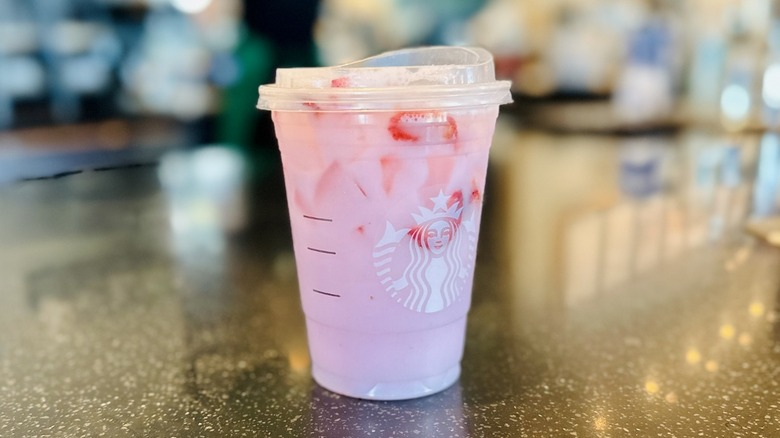
The drink at the center of the debate
The beverage, marketed as “Hannah’s Secret Popstar Refresher,” is a variation of Starbucks’ Strawberry Açaí Refresher. It includes:
- Raspberry cold foam
- Two pumps of raspberry syrup
- A modified base without strawberry inclusions
Positioned as part of a “secret menu,” the drink was promoted through social media rather than traditional in-store listings. Customers could order it via the mobile app or by specifying the recipe.
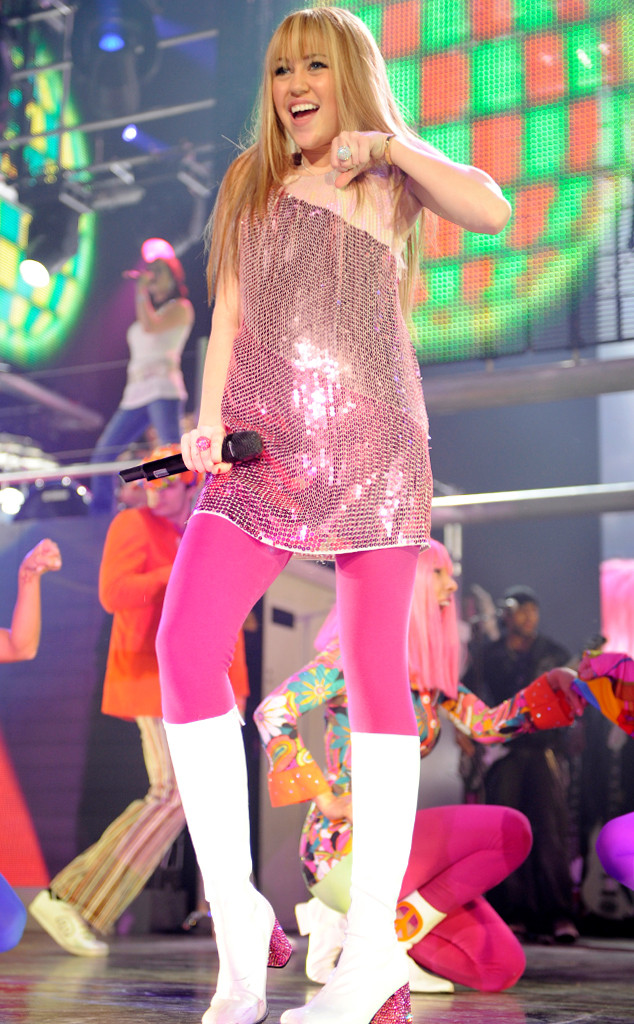
On the surface, the bright pink drink aligns with the aesthetic associated with Hannah Montana—bold, playful, and unmistakably popstar-inspired. However, longtime fans quickly identified a disconnect between the product and the character it was meant to celebrate.

Why raspberry became a problem
The backlash stems from a well-known detail in the original Disney Channel series. In a first-season episode, the character—portrayed by Miley Cyrus—develops an aversion to raspberries after a negative experience.
As referenced in the show, “Even a whiff of raspberries makes me sick.”
This detail is not obscure. For many viewers, it is a defining comedic moment that reinforces the character’s personality. As a result, the inclusion of raspberry in the themed drink was immediately perceived as contradictory.
Online reactions reflected that familiarity:


- Fans noted that the character “would’ve hated” the drink.
- Others questioned how such a recognizable storyline detail could be overlooked.
- Some responses framed the decision humorously, while others criticized it as a lapse in brand authenticity.
Starbucks responds—and leans into the narrative
Rather than retracting the concept, Starbucks engaged directly with the criticism. In response to fan comments, the company suggested that the character had “overcame” her dislike of raspberries, reframing the contradiction as character growth.
This approach effectively transformed the backlash into part of the campaign narrative. Even Disney Channel joined the conversation, commenting that “the raspberry lore lives on,” reinforcing the cultural memory driving the discussion.
From a marketing standpoint, the strategy aligns with contemporary brand behavior on social media—acknowledge criticism, incorporate it into messaging, and maintain visibility.
Timing and strategic context
The drink’s release was not isolated. It coincided with the launch of the “Hannah Montana 20th Anniversary Special,” which premiered on streaming platforms including Disney+ and Hulu.
The anniversary special includes:
- An in-depth interview with Miley Cyrus
- A musical performance
- Behind-the-scenes archival footage
- Appearances from special guests
This broader rollout signals a coordinated effort to reintroduce the franchise to both original fans and newer audiences. The Starbucks collaboration functions as an extension of that campaign, translating media nostalgia into a consumer product experience.
What the backlash reveals about modern audiences
The reaction to the drink highlights a broader shift in audience expectations:
1. Canon matters more than ever
Fans expect brands to respect established storylines, especially for culturally significant properties. Small inconsistencies can quickly become focal points.
2. Nostalgia is detail-driven
The emotional connection to legacy content is often tied to specific moments, quotes, and character traits—not just general themes.
3. Social media amplifies micro-controversies
What might once have been a minor oversight now becomes a viral discussion within hours.
The business impact: controversy as engagement
Despite criticism, the campaign achieved what many marketing efforts aim for: visibility.
- The drink generated widespread online discussion
- Fans revisited scenes and episodes from the original series
- The anniversary special gained additional attention
In this sense, the backlash may have functioned less as a failure and more as an unintended engagement strategy. The controversy reinforced the relevance of the Hannah Montana brand nearly two decades after its debut.
Looking ahead: lessons for future collaborations
The Starbucks-Hannah Montana case offers several practical takeaways for brand partnerships:
- Deep content alignment is critical: Cultural properties carry established narratives that audiences expect to be honored.
- Fan communities act as real-time fact-checkers: Any inconsistency will be identified quickly.
- Engagement can outweigh accuracy in short-term campaigns: Even negative reactions can drive reach and conversation.
Conclusion
What began as a celebratory product tied to a major anniversary quickly evolved into a case study in modern fandom dynamics. The Hannah Montana Starbucks drink did more than promote a streaming special—it exposed how deeply audiences still care about narrative consistency, even in something as simple as a beverage.
At the same time, it demonstrated how brands can adapt to criticism in real time, turning a potential misstep into sustained engagement. In today’s media environment, even a raspberry-flavored detail can become a defining moment.