


Hannah Montana 2026: A Cultural Icon Returns—But Not as You Expect
A 20-Year Milestone That Redefines Nostalgia
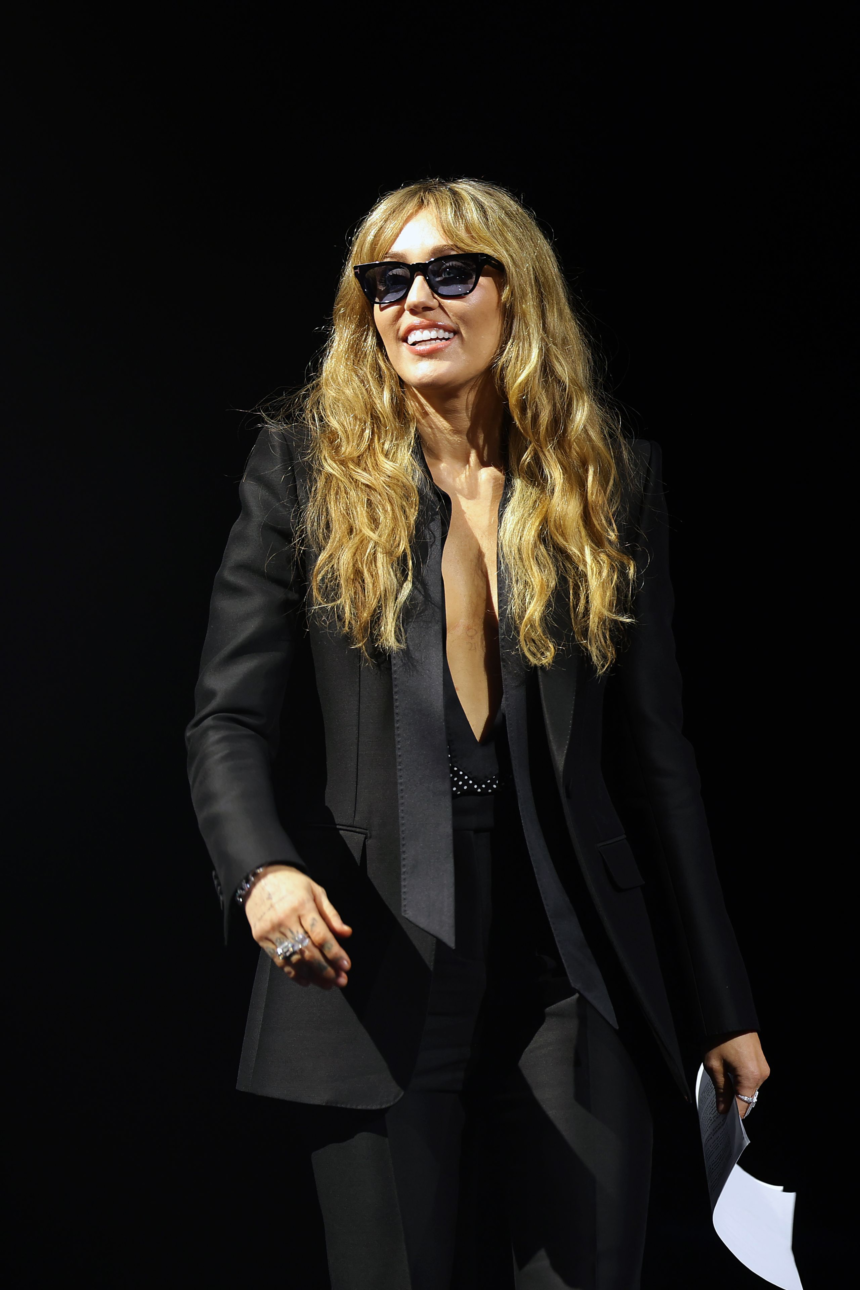
Two decades after it first aired, Hannah Montana has returned to the spotlight—not through a reboot, but through a carefully curated celebration of its legacy. The “Hannah Montana 20th Anniversary Special”, released on March 24, 2026, marks exactly 20 years since the Disney Channel series premiered on March 24, 2006.
- A 20-Year Milestone That Redefines Nostalgia
- From Teen Sitcom to Cultural Benchmark
- The 2026 Special: Structure and Intent
- Cast Participation and Notable Absences
- Miley Cyrus and the Reclaiming of Hannah Montana
- Why There Is No Reboot
- The Role of Nostalgia in Streaming Strategy
- Cultural Impact: Why Hannah Montana Still Matters
- What Comes Next?
- Conclusion: A Legacy Revisited, Not Rewritten
Rather than reviving the storyline, the 2026 project functions as a retrospective event—an acknowledgment of the show’s cultural footprint and its enduring connection with audiences worldwide.
Streaming on Disney+ and Hulu, the one-hour special is structured around performances, interviews, and archival content, offering both nostalgia and reinterpretation.
From Teen Sitcom to Cultural Benchmark
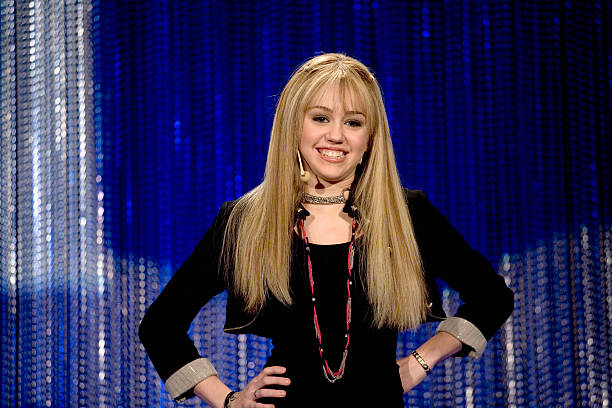
When Hannah Montana debuted in 2006, it introduced a dual-identity narrative: Miley Stewart, an ordinary teenager, secretly living as a global pop star. The concept proved transformative for youth television, merging sitcom storytelling with music-driven branding.
Over four seasons (2006–2011), the show evolved into more than a Disney Channel hit—it became a commercial and cultural ecosystem. Music tours, merchandise, and global fan engagement extended its influence far beyond television.

By 2026, the franchise is no longer just a nostalgic reference. It represents a generational marker—particularly for audiences who grew up during the late 2000s media boom.
The 2026 Special: Structure and Intent
The anniversary special is not a narrative continuation. Instead, it is a curated experience designed to achieve three objectives:
- Reconnect the audience with the original series
- Reframe Miley Cyrus’ relationship with the character
- Celebrate fan loyalty across two decades
What the Special Includes
The production blends multiple formats to create a comprehensive tribute:
- Music Performances: Miley Cyrus performs classic Hannah Montana songs alongside new material
- Sit-down Interview: Conducted by Alex Cooper, offering reflective insight into Cyrus’ journey
- Archival Footage: Previously unseen moments from the original series
- Set Recreations: Iconic locations revisited for visual continuity
- Guest Appearances: Including Selena Gomez, who returns as a symbolic link to the show’s extended universe
The result is not a typical reunion, but a hybrid format combining documentary elements with performance storytelling.


Cast Participation and Notable Absences
The special features appearances from several original cast members, including:
- Jason Earles (Jackson)
- Cody Linley (Jake Ryan)
- Other familiar faces from the original ensemble
However, the reunion is not complete. Emily Osment, who played Lilly, was unable to attend due to filming commitments for another series.
Additionally, the premiere event highlighted real-life complexities behind the scenes. Notably, Billy Ray Cyrus—who portrayed Miley’s on-screen father—did not attend the red carpet event, reflecting ongoing family dynamics that have shaped public narratives around the Cyrus family.
Miley Cyrus and the Reclaiming of Hannah Montana
A central theme of the 2026 special is Miley Cyrus’ evolving relationship with the Hannah Montana persona.
For years, Cyrus distanced herself from the character as she transitioned into a different musical and public identity. The anniversary special signals a shift—less about revival, more about reconciliation.
Cyrus has emphasized that Hannah Montana is inseparable from her personal and professional growth:
“Hannah Montana will always be a part of who I am… what started as a TV show became a shared experience.”
At the same time, she has been explicit about boundaries. Despite strong fan demand, she has ruled out a full reboot:
“Girl, I’m already tired… This has already been a lot.”
This dual stance—embracing the past while resisting repetition—defines the tone of the 2026 project.
Why There Is No Reboot
The absence of a reboot is not accidental. It reflects broader shifts in entertainment strategy.
Strategic Considerations
- Legacy Preservation
Reboots often risk diluting original narratives. The special instead protects the integrity of the original series. - Audience Evolution
The original fan base has matured. A direct continuation may not align with their current expectations. - Brand Positioning
Disney’s decision to focus on a one-time event rather than a serialized return suggests a controlled approach to nostalgia-driven content.
The result is a format that acknowledges demand without committing to long-term production risks.
The Role of Nostalgia in Streaming Strategy
The release of the special on Disney+ and Hulu reflects a broader industry pattern: leveraging legacy IP to drive platform engagement.
Anniversary specials, unlike reboots, provide:
- High engagement with minimal long-term investment
- Cross-generational appeal
- Event-based viewing that boosts subscriptions
The Hannah Montana special fits this model precisely—timed to coincide with a milestone anniversary and supported by global fan recognition.
Cultural Impact: Why Hannah Montana Still Matters
Two decades later, the show’s relevance persists for several reasons:
- Identity Narrative: The dual-life storyline resonates with modern conversations about personal branding and authenticity
- Music Integration: It helped normalize the crossover between television and pop music careers
- Fan Community: A strong emotional connection that continues to influence social media trends
The 2026 special does not attempt to recreate this impact. Instead, it contextualizes it—positioning Hannah Montana as a foundational text in early 21st-century pop culture.
What Comes Next?
While the anniversary special is positioned as a standalone event, it raises several forward-looking questions:
- Will Disney continue producing similar legacy-driven specials?
- Could spin-offs or documentaries emerge from this renewed interest?
- How will Miley Cyrus integrate this chapter into her broader career narrative?
For now, the direction remains clear: celebration, not continuation.
Conclusion: A Legacy Revisited, Not Rewritten
Hannah Montana 2026 is less about returning to the past and more about reframing it. The anniversary special demonstrates a deliberate approach—honoring a cultural milestone while resisting the pressures of revival.
By combining performance, reflection, and selective reunion elements, the project succeeds in capturing the essence of what made Hannah Montana significant—without attempting to replicate it.
In doing so, it underscores a broader truth about legacy entertainment: sometimes, the most effective return is not a reboot, but a well-executed remembrance.