

Hannah Einbinder: Comedy, Vulnerability, and a Generation’s Voice
A Cultural Portrait of a Rising Comedic Force
In an era where comedy often leans toward spectacle or shock value, Hannah Einbinder has emerged as a performer who blends sharp humor with emotional precision. Best known for her role as Ava Daniels in the HBO Max series Hacks, Einbinder represents a new generation of comedians—one that is deeply self-aware, politically engaged, and unafraid to expose vulnerability.
Her trajectory is not simply a story of career success. It is a reflection of how modern comedy is evolving: more introspective, more personal, and more connected to the social and cultural tensions of the moment.
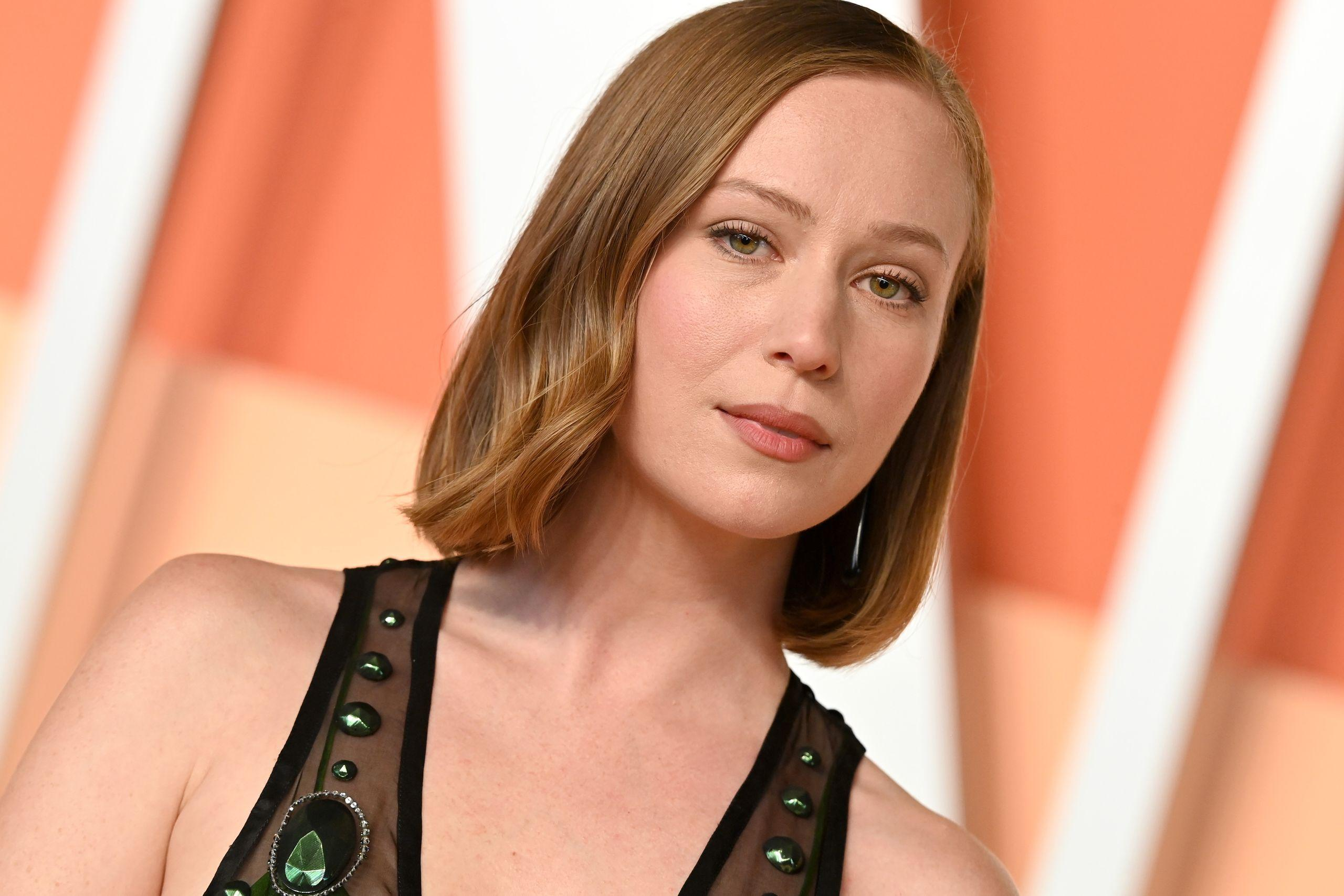
From Comedy Lineage to Individual Voice
Einbinder’s background in comedy is not incidental. She is the daughter of Laraine Newman, one of the original cast members of Saturday Night Live. This lineage placed her within a legacy of American sketch and stand-up comedy from an early age.
However, her rise has not relied on inheritance alone. Instead, Einbinder has carved out a distinct identity through stand-up performances that emphasize:
- Observational humor grounded in personal experience
- A candid exploration of anxiety, identity, and generational pressure
- A delivery style that balances restraint with intensity
Her work reflects a broader shift in comedy—away from purely punchline-driven formats toward storytelling that invites discomfort as much as laughter.
“Hacks” and the Anatomy of a Breakthrough
Einbinder’s defining role came with Hacks, where she stars opposite Jean Smart. The series centers on the uneasy partnership between a veteran comedian and a younger writer navigating a collapsing career.
The show’s strength lies in this intergenerational dynamic. Critics have highlighted its ability to balance “caustic humor with deep emotional insight,” presenting comedy not as escapism but as a survival mechanism.
Within this framework, Ava Daniels—Einbinder’s character—becomes a study in contradiction:
- Progressive yet flawed
- Ambitious yet insecure
- Principled yet often self-serving
Rather than positioning Ava as morally superior, the series frames her as a mirror to Deborah Vance, revealing how different generations grapple with the same fears using different language.
This complexity has been central to Einbinder’s impact. She is not simply performing comedy; she is interrogating it.
When Performance Becomes Physical: The Emotional Cost of Goodbye
The conclusion of Hacks marked a pivotal moment in Einbinder’s career—and one that underscored the depth of her connection to the work.
After filming her final scene, Einbinder described an immediate physical collapse:
“I became ill, like the second I walked out of where we were shooting, and I was doubled over. My body was shutting down.”
The reaction was not metaphorical. She experienced severe nausea and reportedly passed out for approximately 14 hours following the shoot. The intensity of this response reveals how deeply she had internalized the role and the relationships formed during the series.
The final season details further contextualize the moment:
- Final Season: Season 5
- Premiere: April 9, 2026
- Finale: May 28, 2026
- Total Episodes: 10
Jean Smart described the experience as a “clock ticking down,” emphasizing the inevitability—and emotional weight—of the ending.
This was not simply the end of a show. It was the closing of a five-year chapter defined by creative collaboration and personal growth.
The Power of On-Screen Chemistry
The success of Hacks is inseparable from the relationship between Einbinder and Smart. Their dynamic transcends scripted dialogue, creating a sense of authenticity that resonates with audiences across generations.
Smart has noted Einbinder’s ability to connect with everyone on set, describing her as someone who makes each person feel “valued and seen.” That quality translates directly into her performance, where even the most abrasive moments carry emotional truth.
This chemistry has contributed to the show’s critical and awards success, including multiple accolades for Smart and widespread recognition for the series as a benchmark in contemporary television.
Beyond the Screen: Activism and Public Voice
Einbinder’s public persona extends beyond entertainment. She has increasingly used her platform to engage with political and social issues, aligning herself with activist movements and public demonstrations.
In a recent statement tied to protests in New York, she spoke out against U.S. foreign policy and military funding priorities, emphasizing a broader critique of systemic inequality and government spending priorities.
Her message was direct:
- Opposition to military funding
- Advocacy for healthcare, education, and social support
- Calls for political accountability
This engagement reflects a broader trend among younger public figures who view visibility as a responsibility rather than a privilege.
For Einbinder, activism is not separate from her identity as a comedian—it is an extension of it.
Comedy as Cultural Reflection
What distinguishes Einbinder within the current entertainment landscape is her alignment with a deeper shift in comedic storytelling.
Hacks illustrates this shift by presenting comedy as:
- A coping mechanism in a fractured world
- A bridge between generations
- A lens through which personal and societal contradictions are exposed
Rather than offering easy resolutions, the series—and Einbinder’s performance within it—embraces ambiguity. Characters are allowed to be inconsistent, uncomfortable, and unresolved.
This approach resonates with audiences who increasingly expect authenticity over perfection.
What Comes Next?
With Hacks concluding, attention turns to Einbinder’s future trajectory. Several possibilities emerge:
1. Expanded Acting Roles
Her performance in Hacks positions her for more complex roles in film and television, particularly those that require emotional nuance.
2. Stand-Up Evolution
As her profile grows, her stand-up work is likely to reach broader audiences, potentially shaping the next phase of contemporary comedy.
3. Continued Activism
Her willingness to engage publicly suggests she will remain a visible voice in cultural and political conversations.
4. Creative Development
Given her writing background, future projects may include producing or developing original content.
Conclusion: A Defining Voice in Modern Comedy
Hannah Einbinder’s rise is not defined by a single role, even one as significant as Hacks. It is defined by her ability to navigate multiple identities simultaneously:
- Comedian and actor
- Performer and observer
- Public figure and private individual
Her work reflects a broader cultural moment—one where humor is inseparable from introspection, and where entertainment increasingly intersects with social reality.
As the industry continues to evolve, Einbinder stands as a figure who embodies its contradictions and possibilities. Her career, still in its early stages, already signals a lasting influence on how comedy is written, performed, and understood.


