



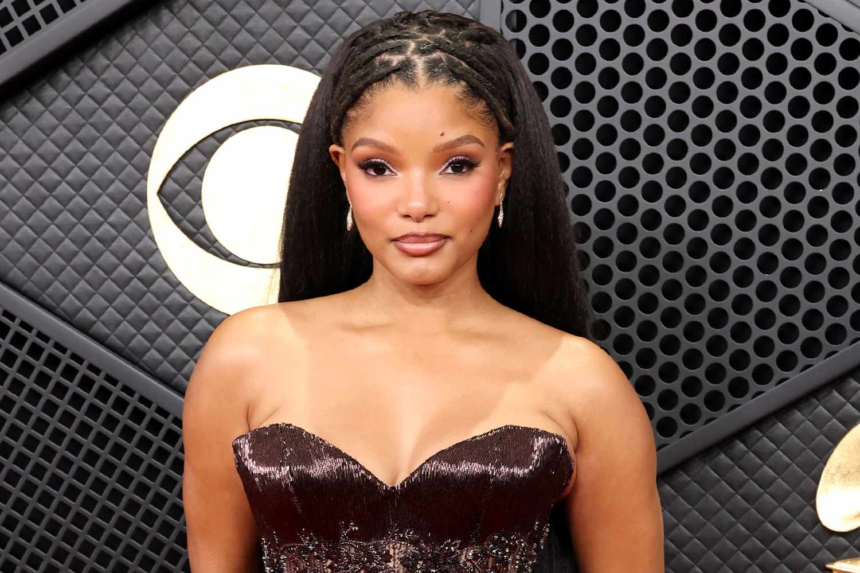
Halle Bailey: A Cultural Force Redefining Hollywood and Representation
Introduction: From Rising Star to Global Symbol
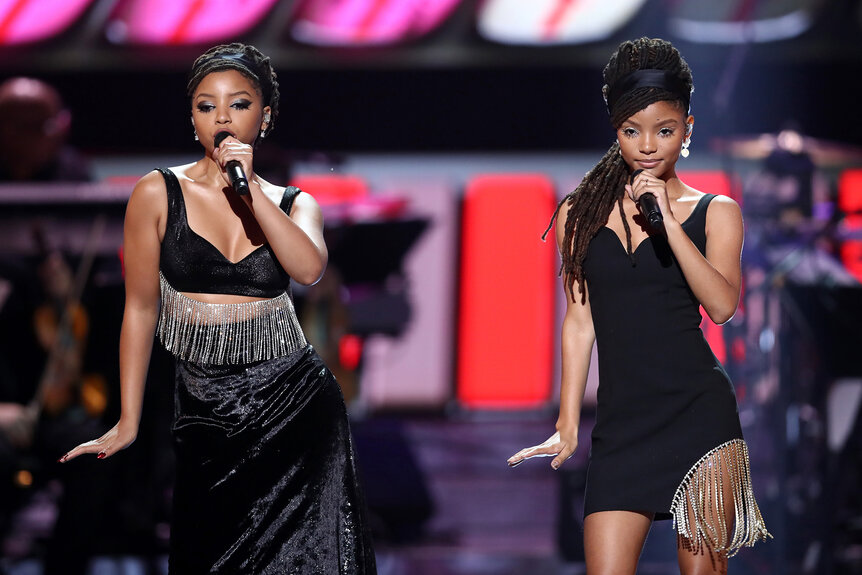
Few modern entertainers embody both artistic excellence and cultural significance as powerfully as Halle Bailey. Known initially for her musical success alongside her sister in Chloe x Halle, Bailey has evolved into one of Hollywood’s most closely watched young stars. Her journey—marked by breakout roles, public scrutiny, and growing influence—reflects a broader transformation in the entertainment industry.
- Introduction: From Rising Star to Global Symbol
- A Breakthrough That Sparked Global Conversation
- The Personal Cost—and Growth—Behind the Spotlight
- Representation, Economics, and Industry Tensions
- A New Chapter: “You, Me & Tuscany” and Expanding Horizons
- The Evolution of a Performer
- Cultural Impact: Beyond Entertainment
- Lessons from Halle Bailey’s Journey
- What Comes Next: Future Outlook
- Conclusion: A Defining Voice of Her Generation
Today, Bailey stands at a pivotal moment in her career. With a major romantic film release, renewed confidence, and a legacy-defining role behind her, she represents both the promise and the pressure of modern stardom.
A Breakthrough That Sparked Global Conversation
Bailey’s rise to international recognition accelerated dramatically when she was cast as Ariel in The Little Mermaid. The casting decision was historic—but it also triggered widespread public debate.
When the first teaser debuted, it generated immense engagement, including over 2 million dislikes within days on YouTube. Social media platforms amplified the controversy, with hashtags like #NotMyAriel trending globally. Yet the backlash was not entirely organic—nearly 30% of negative discourse came from automated accounts, indicating a coordinated amplification of outrage.
For Bailey, the experience was not merely about criticism; it became a defining test of resilience.


“I feel like it taught me to listen to myself and the good voices inside. I learnt how to block out the noise.”
This moment placed her at the center of a global conversation about race, representation, and ownership of cultural narratives.
The Personal Cost—and Growth—Behind the Spotlight
The intensity of public scrutiny was unprecedented. Bailey described the experience as “eye-opening,” explaining how she felt like she was observing herself amid competing global reactions.
Rather than retreat, she reframed the situation:
- She developed a psychological boundary between public opinion and personal identity
- She leaned on family support and industry mentors
- She adopted a grounded perspective—“None of this is real”—to navigate fame
Her approach illustrates a broader coping model increasingly relevant in the digital era: detachment from algorithm-driven negativity.
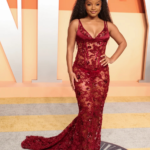
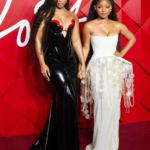
This resilience was not purely personal. It carried generational significance. Her grandparents reminded her that her visibility meant something larger:
Her role inspired “all the little Black and brown girls who are going to see themselves in you.”
Representation, Economics, and Industry Tensions
Bailey’s casting also exposed the economic dimension of representation in global cinema.
While the film achieved strong performance in the United States and resonated deeply with diverse audiences, it struggled in certain international markets. For example:
- Opening weekend in China: $3.7 million
- Comparable Disney remakes in the region: nearly $100 million
This disparity revealed a complex reality: representation can drive domestic success while simultaneously encountering resistance in global markets.
The situation raised strategic questions for studios:
- Should diversity be integrated into existing franchises?
- Or should studios invest more heavily in original stories rooted in diverse cultures?
Bailey’s career sits at the intersection of these evolving industry debates.
A New Chapter: “You, Me & Tuscany” and Expanding Horizons
In 2026, Bailey steps into a new phase with the romantic comedy You, Me & Tuscany, co-starring Regé-Jean Page.
The film, shot in Italy and set for release on April 10, 2026, represents a tonal shift from blockbuster fantasy to character-driven romance.
She plays Anna, a young woman navigating uncertainty, love, and personal growth. The narrative unfolds in the Italian countryside, blending romance with themes of identity and belonging.
Bailey described the story as:
“a great representation of what it means to love and be in love… it’s realistic.”
Her co-star emphasized the cultural importance of the film:
- It presents Black love in environments rarely depicted on screen
- It normalizes Black characters in global, aspirational settings
This marks a strategic expansion of Bailey’s on-screen identity—from symbolic representation to nuanced storytelling.
The Evolution of a Performer
Bailey’s artistic trajectory reflects deliberate growth:
Early Career
- Rose to prominence as part of Chloe x Halle
- Developed vocal and performance discipline under industry mentorship
Breakout Phase
- Transitioned into acting with high-profile roles
- Became a cultural symbol through Ariel
Current Phase
- Expanding into varied genres (romance, drama)
- Building a reputation for emotional authenticity
Her performance style is often described as intuitive and emotionally expressive. Co-stars note her “sense of wonder” and ability to bring warmth to both character and set dynamics.
Cultural Impact: Beyond Entertainment
Bailey’s influence extends beyond film and music.
Representation Metrics
Research indicates that diverse on-screen representation correlates with increased self-esteem and aspirations among children of color. Her role contributed directly to this shift.
Cultural Dialogue
Her casting catalyzed global discussions on:
- Race and identity in media
- Ownership of classic narratives
- The role of corporations in shaping cultural values
Symbolic Significance
She became more than an actress—she became:
- A reference point in diversity debates
- A case study in digital-era celebrity resilience
- A role model for emerging talent
Lessons from Halle Bailey’s Journey
Bailey’s experience offers practical insights for artists and industry professionals:
1. Managing Public Scrutiny
Develop internal validation systems rather than relying on public approval.
2. Understanding Digital Amplification
Recognize that online negativity may be algorithm-driven rather than organic.
3. Leveraging Representation
Frame personal success within broader cultural impact.
4. Career Diversification
Transition across genres to avoid typecasting and build longevity.
What Comes Next: Future Outlook
Looking ahead, Bailey’s trajectory suggests several likely developments:
- Expanded film portfolio including prestige dramas and global productions
- Continued influence in representation discourse
- Potential return to music projects
- Increased involvement in producing or storytelling roles
Her confidence entering new projects reflects lessons learned:
“The Little Mermaid showed me the ropes… I feel more confident this time around.”
Conclusion: A Defining Voice of Her Generation
Halle Bailey’s story is not simply about career progression—it is about navigating transformation in real time.
She entered Hollywood as a talented performer. She emerged as a cultural figure shaped by controversy, strengthened by adversity, and positioned to influence the future of entertainment.
Her journey illustrates a central truth of modern media: success is no longer measured solely by box office numbers or chart rankings. It is defined by impact—on audiences, on industry practices, and on the narratives that shape society.
Bailey has already altered that landscape. What follows is likely to be even more consequential.