Grandmaster Caz Net Worth, Relationships, Age/Birthdate & Birthday
Overview of Grandmaster Caz — net worth, relationships, age/birthdate, and birthday.
 loveness92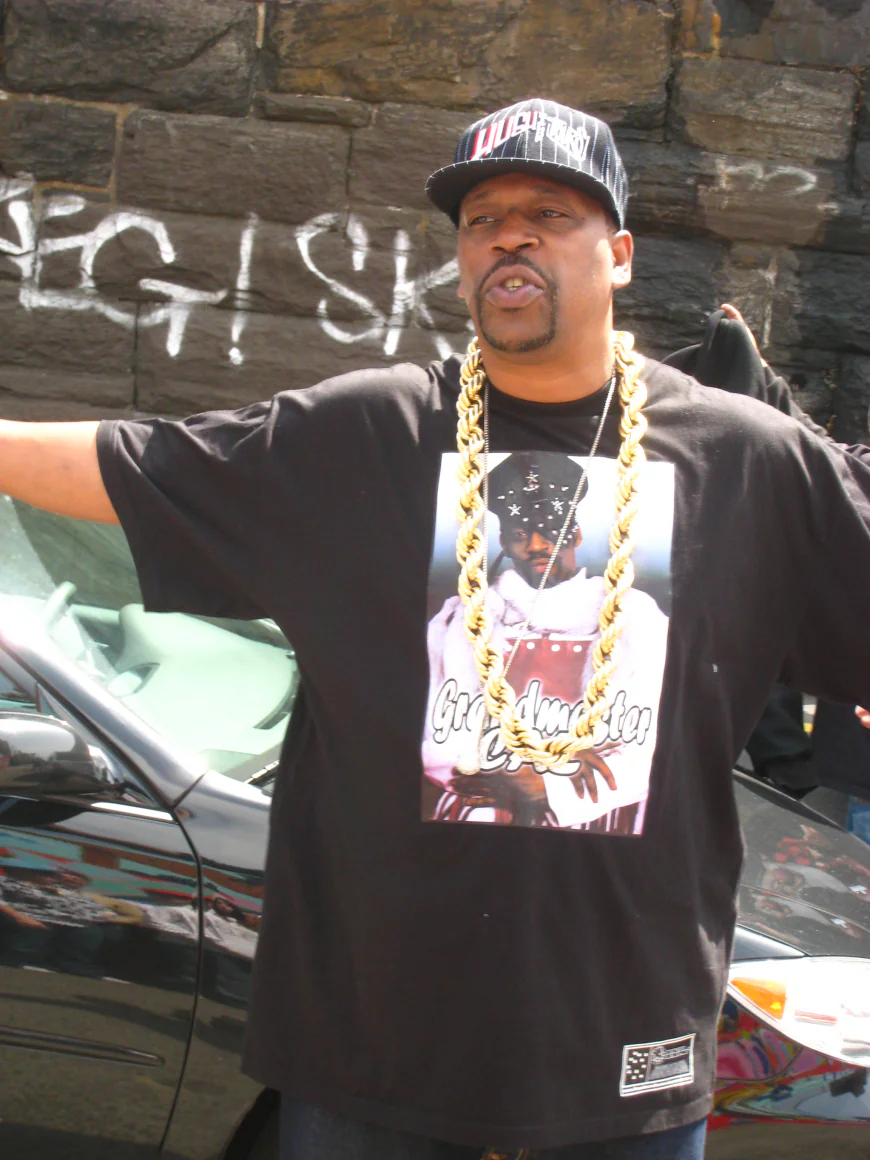
Grandmaster Caz — From Bronx Pioneer to Hip-Hop Icon
The Birth of a Legacy
Born Curtis R. Brown on April 18, 1960 in the Bronx, New York, Grandmaster Caz — also known as “Casanova Fly” — emerged from the gritty streets of the South Bronx during a time when hip-hop was still in its infancy.
As a young teenager, he witnessed the legendary block parties thrown by DJ Kool Herc. Inspired by those raw, communal gatherings, he acquired his own DJ equipment soon after. That early fascination sparked what would become a lifelong dedication: crafting beats, layering rhymes, and energizing crowds.
In the mid-1970s, under the alias Casanova Fly, he teamed with childhood friend DJ Disco Wiz — together forming one of hip-hop’s earliest crews, the dynamic duo that laid down the foundation for turntable-driven MCing.
By 1978–79, Caz had become a founding member of The Cold Crush Brothers, a group that would become central to hip-hop’s early sound and competitive crew culture.
When His Words Sparked a Revolution
Caz’s most consequential — and controversial — contribution arrived not through his own voice, but through his pen. In 1979, he wrote rhymes — originally intended for live performance — that ended up in one of hip-hop’s defining early records.
The lyrics Caz penned were used by Big Bank Hank on Rapper's Delight by The Sugarhill Gang, the first hip-hop record to crack into mainstream consciousness worldwide. Although Caz was neither credited nor compensated at the time, the song’s success helped expose hip-hop to a global audience — even if its acknowledgment bypassed one of its key architects.
In later years, Caz would reclaim some narrative control — notably in “MC Delight” — a track that called out the lack of recognition for his contribution and set the record straight according to his perspective.
Evolution: From Street Battles to Cultural Stewardship
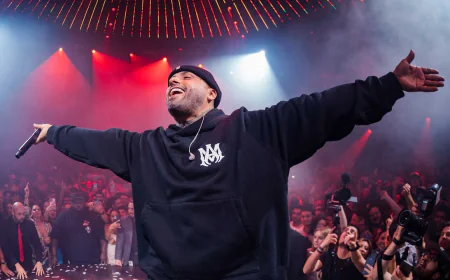
With the Cold Crush Brothers, Caz helped popularize high-energy live performances loaded with theatrics, synchronized routines, and crowd-moving rhythms. Their battles and shows throughout New York became legendary; they helped redefine what it meant to perform hip-hop live.
Caz wasn’t just a performer — he was a pioneer: the first to simultaneously DJ and rap, blending breaks, beat cuts, and rhymes into a hybrid form that would shape generations of MCs.
His influence echoed through hip-hop’s evolution: crews born after him drew inspiration from Cold Crush’s format, and later stars — from Will Smith to Big Daddy Kane and Jay‑Z — have cited Caz’s work as foundational.
Beyond music, Caz evolved into a cultural ambassador. He began guiding tours through hip-hop’s birthplace in New York via Hush Hip Hop Tours, sharing firsthand stories about roots, pioneering days, and the early block-party scene.
He also became a fixture in documentaries, oral-history panels, and educational efforts — ensuring that hip-hop's early narrative is told by those who lived it.
Financial Picture: Net Worth & Legacy Value
Estimating a net worth for pioneering artists like Caz is complicated, given decades of undocumented performances, battles, royalties — or lack thereof. Some publicly available sources list a net worth of around US$3 million.
While that figure may capture recorded output, recent collaborations, and brand activities, it only partially reflects the true value of Caz’s legacy — influence that shaped hip-hop’s foundations and continues to reverberate through generations.
Private Life & Public Relationships
Details about Grandmaster Caz’s personal relationships remain sparse. Public-facing coverage and reputable interviews rarely mention a spouse or partner. Some lesser-reliable websites list marital status as “yet to be updated,” reflecting the lack of confirmed public information.
Caz’s lifelong relationship appears rooted instead in his commitment to the culture: mentorship, preservation, performance, and storytelling. His “associations” are often with younger generations of rappers — not romantic partners — through tours, interviews, and educational endeavors.
That said, interviews and his own words focus on his role as a cultural steward far more than on romantic milestones.
What April 18 Means — More Than Just a Birthday
Grandmaster Caz’s birthdate — April 18 — is more than a personal milestone. For many in hip-hop, it’s a symbolic date: a reminder that the roots of the genre trace back to the Bronx, to block parties, to underground crews—and to a young kid named Curtis who dared to dream.
Each year on April 18, fans and fellow artists honor his legacy — not just the man, but the foundation he helped build, the words he penned, and the art he helped birth.
Why His Story Still Matters
In an age where hip-hop has become a global multi-billion-dollar industry, it’s tempting to focus on chart-topping albums, streaming numbers, and tours. But figures like Grandmaster Caz are critical: they remind us where it started — raw, grassroots, community-driven, creative survival.
Caz’s story is not just about fame or money. It’s about voice, opportunity, and giving life to a movement that might otherwise have stayed underground.
For anyone looking to understand the roots of hip-hop — its early energy, scrappy beginnings, and the sacrifices that paved the way — Grandmaster Caz remains an essential part of that story.