



Inside Good Morning America: How a Morning Show Became a Cultural Powerhouse
The Pulse of Morning Television
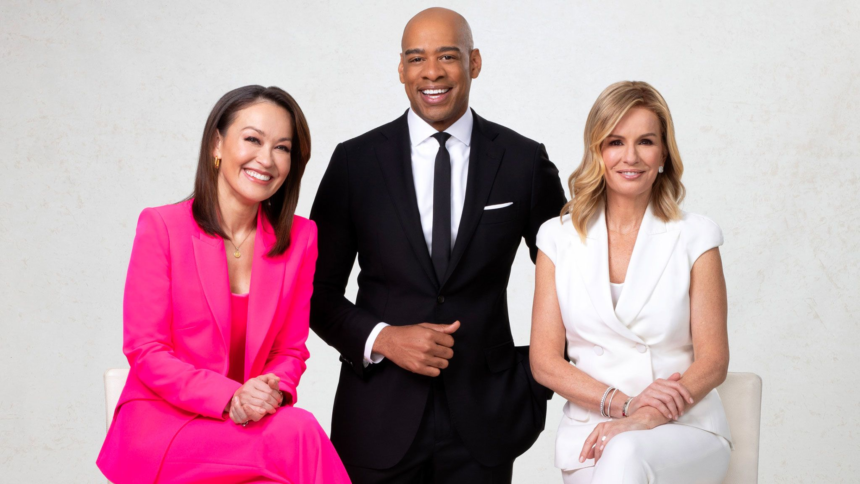
For decades, Good Morning America (GMA) has served as more than just a morning news program—it is a cultural barometer. Airing on ABC, the show blends breaking news, celebrity interviews, human-interest stories, and lifestyle content into a format designed to capture the national mood as the day begins.
- The Pulse of Morning Television
- A Platform for High-Stakes Interviews
- The Anatomy of a Breaking Story on GMA
- Beyond Headlines: Personal Lives in Public View
- The Intersection of Entertainment and News
- The Strategic Role of Timing
- The Broader Cultural Impact of GMA
- Looking Ahead: The Future of Morning Media
- Conclusion: More Than a Morning Show
Its influence extends well beyond television screens. When a major story breaks on GMA or a public figure chooses the show as a platform to speak, the impact is immediate and far-reaching. That influence was evident once again in March 2026, when reality TV personality Taylor Frankie Paul used GMA to address a developing controversy just days before a major television premiere.
This moment underscores the enduring relevance of Good Morning America in shaping narratives and framing public conversations.
A Platform for High-Stakes Interviews
When Headlines Meet Live Television
In a recent appearance on Good Morning America, Taylor Frankie Paul—set to become ABC’s newest Bachelorette—addressed reports of an alleged domestic violence investigation involving her ex-boyfriend, Dakota Mortensen.



The timing was critical. Her interview aired just days before the premiere of her season, placing both her personal life and professional future under intense scrutiny.
Paul did not avoid the weight of the moment. Instead, she acknowledged it directly:



“It’s been a heavy time to see the headlines.”
Her remarks reflected the dual pressure of public accountability and personal vulnerability, a dynamic that GMA frequently navigates when hosting high-profile guests.
The Anatomy of a Breaking Story on GMA
How the Narrative Unfolded
The situation surrounding Paul illustrates how Good Morning America operates at the intersection of journalism and real-time storytelling:
-
Reports of a domestic violence investigation surfaced earlier in the week
-
Authorities confirmed an open “domestic assault investigation,” noting that “allegations have been made in both directions”
-
The Draper Police Department declined to release further details, citing active investigation protocols
-
Paul chose GMA as her platform to respond publicly
During the interview, Paul emphasized restraint and timing:
“I’m a person that will always speak my truth … that’s what I’m known for.”
“When the time is right, I will be, but right now, just trying to be in the present moment.”
This approach reflects a broader media strategy often seen on GMA: balancing disclosure with narrative control.


Beyond Headlines: Personal Lives in Public View
The Human Dimension of Morning Television
One of GMA’s defining features is its ability to humanize complex or controversial stories. Paul’s interview moved beyond legal headlines to highlight the personal toll of public scrutiny.
She described the experience as both “stressful” and overwhelming, particularly as she prepares for a major career milestone while raising three children.
“When your life is broadcast out there in these headlines, it’s like the end of the world.”
This framing aligns with GMA’s long-standing editorial style—presenting individuals not just as subjects of news, but as people navigating real challenges in real time.
The Intersection of Entertainment and News
A Show That Blurs Traditional Boundaries
Paul’s appearance also highlights GMA’s unique positioning within the media landscape. Unlike traditional news programs, it seamlessly integrates entertainment coverage with serious reporting.
Her story sits at the crossroads of:
-
Reality television (The Secret Lives of Mormon Wives)
-
Major network programming (The Bachelorette)
-
Ongoing legal and personal developments
The show’s ability to contextualize all three within a single segment is a key reason it remains influential.
At the same time, the broader ripple effects were already visible:
-
Filming for Mormon Wives was reportedly paused
-
Cast members stepped away temporarily
-
Paul herself acknowledged uncertainty about her future on the show
This demonstrates how a single narrative, amplified through GMA, can influence both media production and public perception.
The Strategic Role of Timing
Why GMA Matters Before Major Releases
The interview also reveals how timing is central to GMA’s editorial impact.
Paul’s appearance came just days before the premiere of The Bachelorette. This created a high-stakes environment where:
-
Public perception could shift rapidly
-
Promotional momentum could be disrupted
-
Personal narrative could influence audience reception
Despite the pressure, Paul framed her participation in the show as a deliberate decision:
“So I get to go out, get away from my toxic cycle here in Utah, go date… That, to me, seemed like, why not?”
Her comments illustrate how GMA often becomes a stage where personal reinvention narratives are introduced—or defended—just as audiences are forming opinions.
The Broader Cultural Impact of GMA
Why It Still Shapes Conversations
Moments like this reinforce Good Morning America’s broader cultural role:
-
Agenda-setting – It determines which stories dominate morning discourse
-
Narrative framing – It shapes how audiences interpret unfolding events
-
Public accountability – It offers a platform for individuals to respond directly to controversies
-
Emotional context – It adds human depth to otherwise clinical news stories
The show’s reach ensures that these narratives extend across social media, entertainment news, and broader public conversation within hours.
Looking Ahead: The Future of Morning Media
As media consumption continues to evolve, Good Morning America faces new challenges—from digital-first platforms to shifting viewer habits. Yet its core strengths remain intact:
-
Live, real-time engagement
-
Access to high-profile guests
-
A hybrid format that blends news and storytelling
For figures like Taylor Frankie Paul, the show remains a critical gateway to public communication—especially during moments of crisis or transition.
And for audiences, it continues to function as a daily briefing not just on what is happening, but on how to interpret it.
Conclusion: More Than a Morning Show
Good Morning America is not simply a program that reports the news—it actively participates in shaping it.
The recent interview with Taylor Frankie Paul demonstrates how the show operates at the intersection of media, culture, and personal narrative. It provides a platform where stories are not only told but contextualized, challenged, and, at times, redefined.
In an era of fragmented media, that ability remains both rare and influential.