



Inside the World of Good Morning America: How a Morning Show Shapes News, Culture, and Conversation
A Morning Ritual That Defines the Day
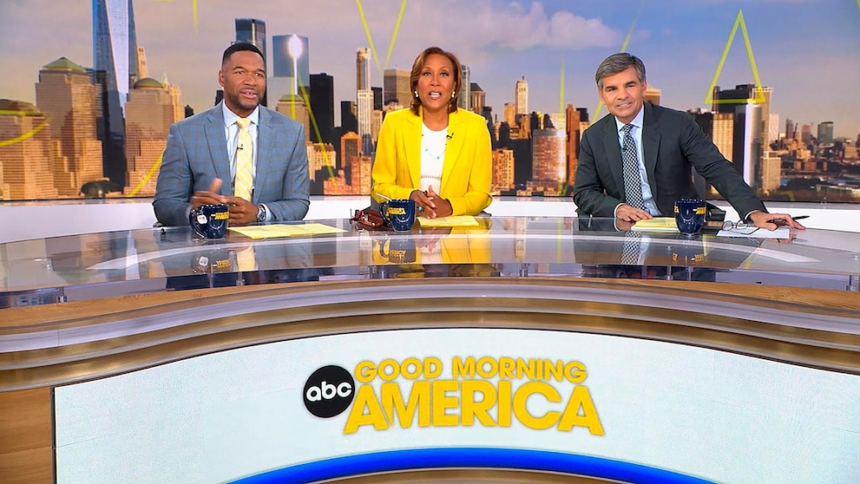
For millions of viewers, the day begins with Good Morning America—a program that has evolved beyond a traditional news broadcast into a cultural institution. Airing on the ABC Television Network from 7:00 to 9:00 a.m. ET, the show blends hard news, lifestyle content, celebrity interviews, and human-interest storytelling into a daily editorial mix that reflects—and often shapes—the national mood.
- A Morning Ritual That Defines the Day
- From Headlines to Human Stories: The Editorial Formula
- The Power of Exclusive Interviews and Live Coverage
- Entertainment Meets Information: A Carefully Curated Mix
- Behind the Scenes: Talent, Transitions, and Industry Pressures
- Cultural Impact: More Than Just a Morning Show
- The Competitive Landscape of Morning Television
- What Comes Next for Good Morning America?
- Conclusion: A Program That Mirrors—and Shapes—Modern Life
Anchored by a high-profile team including Robin Roberts, George Stephanopoulos, and Michael Strahan, with Ginger Zee serving as chief meteorologist, the program operates at the intersection of journalism and entertainment.
Yet behind its polished on-air presence lies a dynamic newsroom constantly adapting to audience expectations, industry competition, and shifting cultural narratives.


From Headlines to Human Stories: The Editorial Formula
At its core, Good Morning America functions as a hybrid platform—simultaneously delivering breaking news and deeply personal stories. A typical broadcast might transition seamlessly from geopolitical updates to celebrity interviews or wellness features.
For instance, recent coverage included an emotional story involving Gabrielle Union, who shared a tribute to her late father following his battle with dementia. Her reflections—“No matter how much you think you know about dementia, nothing prepares you for the painfully slow disappearing of your loved one”—illustrate the program’s emphasis on emotional resonance alongside factual reporting.



This editorial approach serves a strategic function. By pairing hard news with relatable human experiences, the show broadens its audience reach while maintaining relevance across demographics.
The Power of Exclusive Interviews and Live Coverage
One of the program’s defining features is its ability to secure exclusive interviews and provide live coverage of major global events.
Recent programming highlights include an exclusive interview conducted by George Stephanopoulos with actress Melissa Gilbert regarding a high-profile legal case involving her husband.
Simultaneously, the broader ABC News ecosystem feeds into the show’s content pipeline, offering live streams and updates on:



- International conflicts and geopolitical developments
- Scientific milestones such as NASA’s Artemis II mission
- Domestic incidents and public safety concerns
- Economic and policy-related developments
This integration positions GMA as both a standalone program and a gateway into a larger, real-time news network.
Entertainment Meets Information: A Carefully Curated Mix
Beyond news coverage, Good Morning America functions as a promotional and cultural platform. Weekly guest lineups often feature actors, authors, athletes, and influencers discussing new projects and social initiatives.
For example, a single week’s schedule included appearances by:
- Bryan Cranston and the cast of Malcolm in the Middle: Life’s Still Unfair
- Authors and wellness experts discussing lifestyle topics
- Sports figures and cultural commentators
- Segments like “Deals & Steals” and “ABC Secret Savings”
This blend of content reflects a deliberate editorial strategy: inform, entertain, and provide practical value within a two-hour window.
Behind the Scenes: Talent, Transitions, and Industry Pressures
While the on-air product appears stable, the internal dynamics of Good Morning America reveal a more fluid reality.
A recent development involved the departure of Janai Norman, co-anchor of GMA Weekend, whose contract was not renewed after more than a decade with ABC.
Her exit is part of a broader pattern of change within the franchise:
- Previous high-profile departures reshaped segments like GMA3
- Competing networks have intensified talent acquisition efforts
- Structural adjustments have redistributed on-air responsibilities
Norman’s tenure also highlights the evolving role of journalists within the program. Beyond reporting, she influenced industry culture through initiatives like the #FreeTheCurls movement, demonstrating how on-air personalities increasingly shape conversations beyond the newsroom.
Cultural Impact: More Than Just a Morning Show
The significance of Good Morning America extends beyond ratings and programming.
1. Shaping Public Discourse
By selecting which stories to highlight—whether global conflicts or personal health journeys—the show influences what audiences perceive as important.
2. Normalizing Conversations
Segments on mental health, dementia, and social issues contribute to broader awareness and destigmatization.
3. Bridging News and Lifestyle
The program’s integration of shopping deals, wellness advice, and entertainment content reflects a shift toward “service journalism”—content designed to directly impact daily life.
4. Creating Shared Experiences
Live broadcasts and exclusive interviews generate moments of collective attention, reinforcing the show’s role as a cultural touchpoint.
The Competitive Landscape of Morning Television
Morning television remains one of the most competitive segments in broadcasting. Networks continuously adapt formats, talent, and content strategies to retain viewership.
Key pressures shaping Good Morning America include:
- Talent mobility: High-profile journalists and anchors moving between networks
- Digital competition: Streaming platforms and social media reshaping consumption habits
- Audience fragmentation: Viewers increasingly consuming news in shorter, on-demand formats
Despite these challenges, GMA maintains a strong position by leveraging its brand recognition, diversified content, and integration with the broader ABC News ecosystem.
What Comes Next for Good Morning America?
Looking ahead, several trends are likely to influence the program’s evolution:
1. Increased Digital Integration
Expect deeper alignment with streaming platforms and social media, allowing real-time audience engagement beyond traditional broadcasts.
2. Expanded Lifestyle Content
Segments related to health, wellness, and consumer advice will likely grow, reflecting audience demand for practical information.
3. Continued Talent Evolution
As seen with recent departures, the show will continue to refresh its on-air lineup to remain competitive and relevant.
4. Greater Emphasis on Personal Storytelling
Human-centered narratives—like Gabrielle Union’s reflection on dementia—will remain central to the show’s identity.
Conclusion: A Program That Mirrors—and Shapes—Modern Life
Good Morning America is no longer just a morning news show. It is a multifaceted media platform that blends journalism, entertainment, and lifestyle content into a cohesive daily experience.
Its ability to balance breaking news with deeply personal stories, while adapting to industry shifts and audience expectations, explains its enduring relevance.
In a fragmented media environment, GMA continues to serve as a unifying voice—one that informs, engages, and reflects the complexities of modern life, all before the workday begins.