




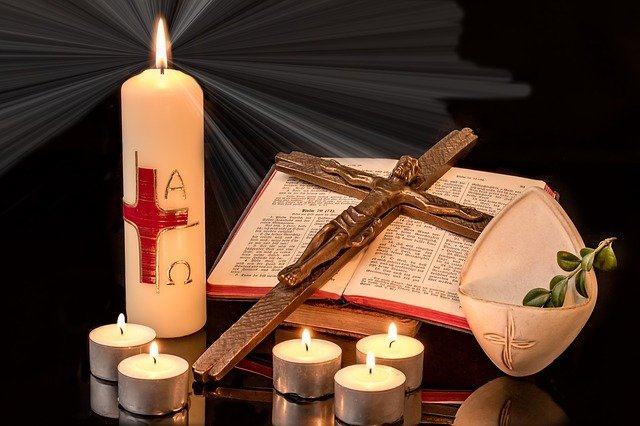
Good Friday 2026: A Day of Silence, Sacrifice, and Sacred Meaning
On April 3, 2026, millions of Christians around the world pause in quiet reflection to observe Good Friday—one of the most solemn and significant days in the Christian calendar. Falling just two days before Easter Sunday, Good Friday marks the crucifixion and death of Jesus Christ, an event that stands at the very core of Christian belief.
- The Historical Foundation: What Happened on Good Friday?
- Why “Good” Friday? Understanding the Meaning Behind the Name
- Observance and Traditions: How Good Friday Is Marked
- The Role of Good Friday in Holy Week
- The Connection to Easter: From Death to Resurrection
- Cultural and Social Impact of Good Friday
- The Deeper Significance: Why Good Friday Still Matters Today
- Looking Ahead: The Continuing Relevance of Good Friday
- Conclusion
While Easter celebrates resurrection and renewal, Good Friday represents the moment of sacrifice that precedes it. It is a day defined not by celebration, but by contemplation—an opportunity to reflect on suffering, redemption, and the profound spiritual meaning of sacrifice.
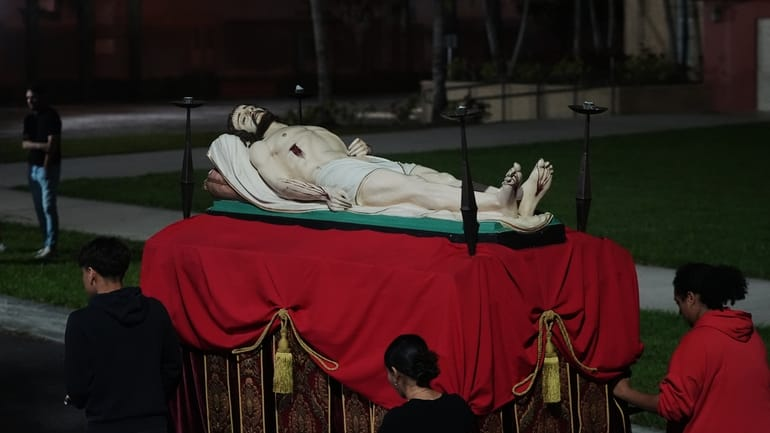
The Historical Foundation: What Happened on Good Friday?
According to the New Testament, Good Friday commemorates the day when Jesus Christ was crucified under the authority of the Roman governor, Pontius Pilate. Religious leaders accused him of blasphemy for claiming to be the Son of God, bringing him before Roman authorities for judgment.



Following a public trial, Jesus was sentenced to death by crucifixion—a punishment reserved for the most severe crimes. He was forced to carry a wooden cross through the streets before being nailed to it. There, he died after enduring immense physical and emotional suffering.
For Christians, this moment represents the ultimate act of sacrifice. It is believed that Jesus’ death was undertaken for the redemption of humanity’s sins, making Good Friday not only a historical remembrance but also a deeply spiritual observance.



Why “Good” Friday? Understanding the Meaning Behind the Name
At first glance, the term “Good Friday” may seem contradictory. How can a day associated with suffering and death be called “good”?
The answer lies in its theological significance. Within Christianity, the crucifixion is not viewed solely as a tragic event but as a necessary step toward salvation. The “goodness” refers to the outcome—the promise of redemption and eternal life made possible through sacrifice.
The day is also known by other names, including Holy Friday, Great Friday, and Black Friday, each emphasizing its solemn and sacred nature.
Observance and Traditions: How Good Friday Is Marked
Good Friday is characterized by restraint, silence, and spiritual discipline. Across denominations and regions, the day is observed through a variety of practices that emphasize reflection and reverence.


Church Services and Rituals
Churches hold special services that often include:
- Scripture readings recounting the final hours of Jesus
- The reading of the Passion narrative from the Gospels
- Veneration of the cross
- Silent prayer and meditation
To reflect the somber tone, churches often dim lights, silence bells, and drape statues. These symbolic acts reinforce the gravity of the occasion.
Fasting and Abstinence
For many Christians—particularly in Catholic tradition—Good Friday is a day of fasting and abstinence.
- Catholics aged 14 and above abstain from eating meat
- Adults aged 18 to 59 typically observe fasting, consuming one full meal and two smaller meals
These practices are intended to cultivate discipline, humility, and spiritual focus.
Processions and Public Observances
In many parts of the world, Good Friday is marked by silent processions that reenact the journey of Jesus carrying the cross. These events serve as public expressions of faith and remembrance.
The Role of Good Friday in Holy Week
Good Friday is part of Holy Week, the final week leading up to Easter. The sequence of events provides a structured journey through the final days of Jesus’ life.
- Palm Sunday (March 29, 2026): Marks Jesus’ entry into Jerusalem
- Holy Thursday (April 2, 2026): Commemorates the Last Supper
- Good Friday (April 3, 2026): Observes the crucifixion
- Easter Sunday (April 5, 2026): Celebrates the resurrection
This progression highlights a narrative arc—from triumph to sacrifice, and ultimately to renewal.
The Connection to Easter: From Death to Resurrection
Good Friday cannot be understood in isolation. Its full meaning emerges only when viewed in relation to Easter Sunday.
Easter, which falls on April 5, 2026, celebrates the resurrection of Jesus Christ three days after his crucifixion. This belief is central to Christianity, symbolizing victory over death and the promise of new life.
The timing of Easter varies each year because it is based on lunar cycles. It is celebrated on the first Sunday after the Paschal full moon, which occurs on or after the spring equinox. In 2026, the full moon on April 1 sets Easter Sunday on April 5—and Good Friday two days earlier.
Cultural and Social Impact of Good Friday
Beyond its religious significance, Good Friday has a broader cultural presence in many countries.
Public Holidays and Closures
In several regions, Good Friday is recognized as a public holiday. Banks, stock markets, and businesses may close or operate on reduced schedules. This reflects the day’s importance and allows communities to observe it without distraction.
A Pause in Modern Life
In an increasingly fast-paced world, Good Friday introduces a rare collective pause. It invites individuals—religious or not—to reflect on themes of sacrifice, compassion, and moral responsibility.
Global Observance
From Europe to Africa, Asia to the Americas, Good Friday is observed in diverse ways. While traditions vary, the underlying message remains consistent: remembrance, humility, and spiritual reflection.
The Deeper Significance: Why Good Friday Still Matters Today
In contemporary society, where material concerns often dominate, Good Friday offers a counterbalance. It shifts focus toward introspection and values that transcend daily routines.
The themes associated with the day—sacrifice, forgiveness, and redemption—remain relevant across cultures and belief systems. Even for those outside the Christian faith, the story of Good Friday carries universal resonance.
It speaks to the idea that profound change often emerges from hardship, and that moments of darkness can precede renewal.
Looking Ahead: The Continuing Relevance of Good Friday
As 2026 unfolds, Good Friday continues to hold its place as a cornerstone of Christian observance. Its enduring relevance lies in its ability to connect past events with present-day meaning.
In a world shaped by rapid change, the day serves as a reminder of enduring principles—faith, sacrifice, and hope.
It also reinforces the broader narrative of Holy Week, culminating in Easter—a celebration not just of resurrection, but of possibility.
Conclusion
Good Friday 2026, observed on April 3, stands as a solemn yet powerful moment in the Christian calendar. Rooted in the historical account of Jesus Christ’s crucifixion, it invites reflection on sacrifice, redemption, and the human condition.
While marked by mourning and restraint, the day carries a deeper message—one that points toward renewal and hope. In the quiet of Good Friday lies the anticipation of Easter, and in that transition, the enduring essence of the Christian faith.