Gia Carangi Net Worth, Relationships, Age/Birthdate & Birthday
Overview of Gia Carangi — net worth, relationships, age/birthdate, and birthday.
 loveness92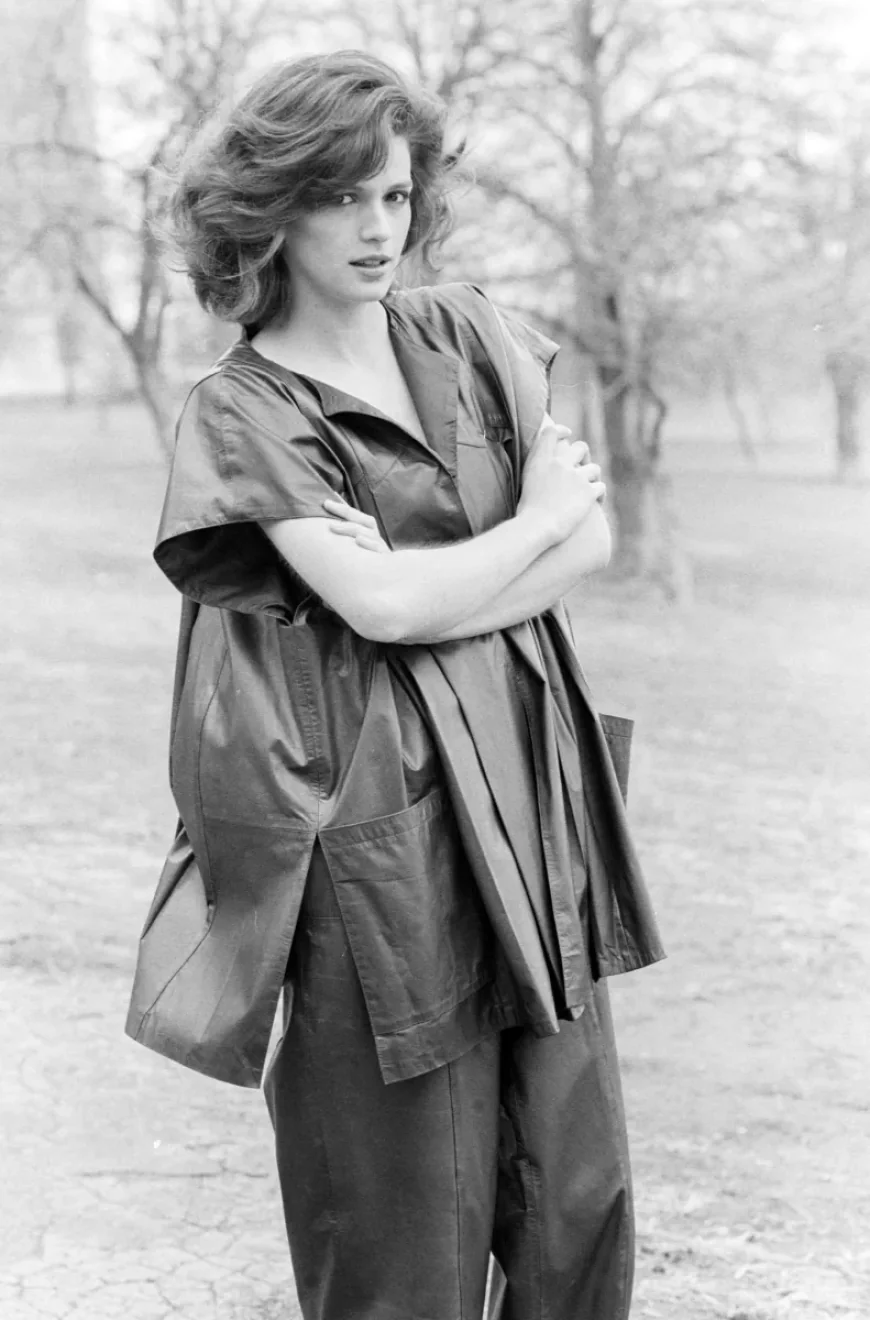
The Meteoric Rise and Tragic Fall of Gia Carangi
A Dark-Haired Girl from Philadelphia Becomes a Fashion Phenomenon
Born on January 29, 1960, in Philadelphia, Gia Marie Carangi came from modest roots — the daughter of Joseph Carangi, a restaurant-owner of Italian descent, and Kathleen Carangi, a homemaker with Irish and Welsh heritage. As the youngest of three children, she grew up surrounded by family turmoil: her parents’ troubled marriage eventually ended when she was about eleven, a rupture that left deep emotional scars.
Yet, early signs of her bold personality emerged in high school. She gravitated toward a subculture of fans of David Bowie — the so-called “Bowie kids” — drawn to his androgynous style and open sexuality. Her dark hair, strong features, and defiant presence stood in stark contrast to the blond, blue-eyed “all American” ideal of models at the time.
At 17, she moved to New York. Within months, she signed with the high-profile agency Wilhelmina Models, stepping into a modelling career that would burn intensely — and briefly.
The New Face of High Fashion — And the Original “Supermodel”
Gia’s arrival on the fashion scene felt nothing short of meteoric. Her first major photoshoot — a provocative image with photographer Chris von Wangenheim, posing nude behind a chain-link fence — was published in October 1978. By the end of that first year in New York, she was already in heavy demand. Photographers like Francesco Scavullo, Richard Avedon, and Arthur Elgort coveted her unique look.
In a single year, her earning power reportedly soared — she made as much as half a million dollars. She graced the covers of major magazines, including multiple editions of Vogue and Cosmopolitan, and walked in or appeared in ad campaigns for top fashion houses like Versace, Yves Saint Laurent, Dior, and Armani.
Her look — dark, moody, and striking — diverged radically from the era’s mainstream. Gia is widely credited with helping usher in what would later be called “heroin chic” — a grungy, edgy aesthetic that challenged the sunshine-blonde glamour that dominated fashion.
Indeed, many fashion historians and critics look back at Carangi as a prototype of the modern “supermodel” — perhaps the first of her kind.
Love, Identity and a Storm Beneath the Glamour
Behind the glossy magazine covers was a young woman grappling with identity and inner turmoil. In a world that pressed conformity, Gia was different. She had an openly “tomboy” persona, refusing traditional gender norms, and was known to pursue relationships with women.
Her first major emotional attachment was reportedly to the model-makeup artist Sandy Linter. On their first shoot together in 1978, Linter recalled how Gia simply “threw her feet over the desk … picked up [my] sunglasses … folded her arms … and stared.” That moment stayed with Linter — in her eyes, it marked the arrival of a star.
But Gia’s personal struggles — especially the pull toward substances — shadowed her rapid rise. She began using drugs recreationally, frequenting New York’s notorious club scene, including the legendary Studio 54. As her dependence on heroin deepened, her life spiraled. Sessions were missed, promises broken, and by the early 1980s, her once-bright career was unraveling.
Final Years: Decline, Diagnosis, and a Legacy Cemented in Tragedy
After the death of her longtime mentor and agent Wilhelmina Cooper in 1980, Gia’s instability accelerated. Her behaviour became more erratic — she would vanish for days, show up high or not at all, and even once left a photoshoot in the middle of a session to ride off on a stranger’s motorcycle.
By the mid-1980s, Gia had virtually disappeared from fashion’s glossy pages. Her addiction had drained much of her earnings. She checked into a drug-rehab program at Eagleville Hospital in December 1984, managing sobriety for a time — but relapse followed.
In late 1985, she was hospitalized; what first appeared as pneumonia led to a devastating diagnosis: she was positive for what was then a barely understood virus, AIDS. On November 18, 1986, she died in Philadelphia. There was almost no media coverage at the time — her death went largely unnoticed by the fashion world that had once worshipped her.
On Net Worth — And Why It’s Elusive
Because Gia died young and broke, and because much of her later life was marred by addiction and instability, there is no credible public record estimating a net worth for her at the time of death — certainly nothing close to the multi-million-dollar fortunes of later supermodels.
Contemporary accounts suggest that at her peak, she earned what was then a considerable sum: reportedly up to US$500,000 in a single year, a remarkable income for 1980s modeling. But after her fall from grace, she squandered much of that wealth on drugs, and by the time of her death, she was reportedly working low-paid jobs, such as retail or cafeteria work.
Given the lack of documented assets, estates, savings, or royalties — and the fact that her death preceded the fashion industry’s explosion of model-as-brand valuations — any claim of a “net worth” for Gia Carangi would be speculative and unsubstantiated.
Enduring Influence — Why Gia Still Matters
Though her life ended tragically, Gia’s imprint on fashion — and culture — remains indelible. She challenged beauty norms and helped redefine what it meant to be a model. By embracing her darker, edgier look, she opened the door for a grittier, more androgynous aesthetic that would influence countless models and designers in subsequent decades.
More than that, her openly queer identity — and the documentation of her relationships — makes her a quietly important figure in LGBTQ+ and queer history, remembered today in retrospectives on representation and visibility.
Her life was dramatized in the 1998 television film Gia, starring Angelina Jolie — a sad but powerful reminder of both her brilliance and the human cost of beauty, fame and addiction.
In remembering Gia Carangi, we confront glamour and vulnerability side by side. We see how quickly fame can rise — and how swiftly it can fade. And we’re reminded that behind every “icon,” there is a person with hopes, struggles, contradictions… and a story worth telling.