George Burns Net Worth, Relationships, Age/Birthdate & Birthday
Overview of George Burns — net worth, relationships, age/birthdate, and birthday.
 loveness92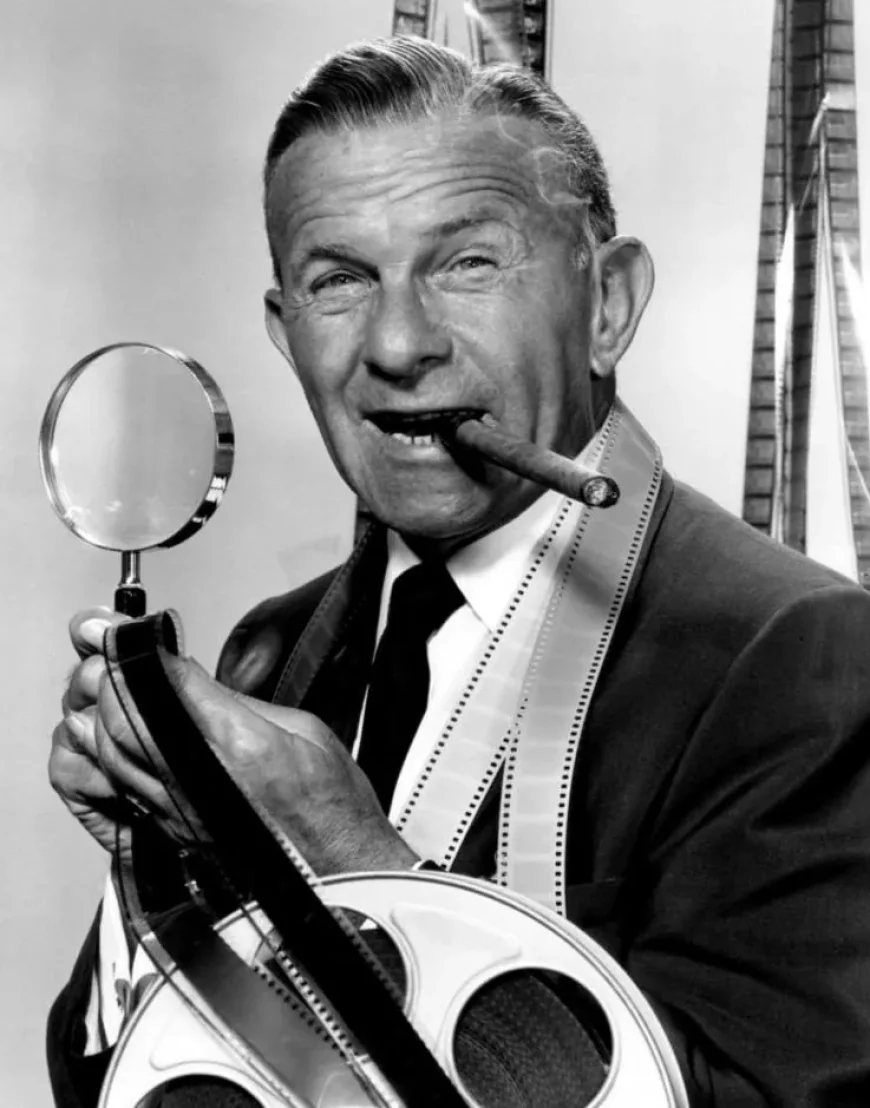
Reinventing Stardom: The Unlikely Journey of George Burns
George Burns — born Nathan Birnbaum on January 20, 1896 — emerged from the crowded streets of New York City to become an enduring icon of American entertainment. His birthday, January 20, 1896, marked the start of a century-long life filled with reinvention, laughter, and a career that would traverse nearly every medium in show business: vaudeville, radio, film, and television.
Raised as one of twelve siblings in a Jewish immigrant family, Burns entered show business as a child. By age seven he was performing — singing harmonies and entertaining passersby in a group called the “Pee-Wee Quartet.” From these humble beginnings, he honed his instincts: when a partner’s punch-lines drew laughter, Burns recognized that comedy wasn’t about dominating the spotlight — it was about serving the joke.
When Two Paths Became One: The Partnership with Gracie Allen
Burns’s early years featured a succession of collaborators across vaudeville until, in the early 1920s, he encountered Gracie Allen. What began as another musical-comedy act slowly transformed when Burns noticed that audiences laughed more at Gracie’s straight-faced absurdities than at his own stylings. He quietly adjusted: handing her the punch-lines, shelving his ego, and — as he later admitted — allowing her comic gifts to shine.
They married on January 7, 1926. Over time, the duo evolved into a beloved comedy team whose reach extended from vaudeville to radio, and eventually to television and film. Their talents complemented each other: Gracie, the zany, off-beat half; Burns, the straight man with the deadpan clarity and signature cigar.
Their chemistry carried them through decades and platforms. Starting in the early 1930s, they headlined films such as International House (1933), Six of a Kind (1934), A Damsel in Distress (1937), and College Swing (1938). When radio soared, they adapted — their show became a national phenomenon. By 1950, they smoothly transitioned to television under the banner The George Burns and Gracie Allen Show, which became one of CBS’s signature sitcoms and aired for eight successful seasons.
Their partnership wasn’t just creative — it was personal, a bond that shaped both their on-screen personas and private lives. This relationship would become foundational to Burns’s identity in the public eye.
Reinvention and Acting Triumph: A Solo Star’s Late-Life Resurgence
When Gracie retired (and later died in 1964), many expected that Burns’s career might fade. Instead, he quietly recalibrated. He continued working — producing, writing, and performing — but his most remarkable comeback came decades later.
In 1975, Burns starred in The Sunshine Boys as Al Lewis, a retired vaudevillian in a bitter—but hilariously volatile—reunion with his former partner. The role earned him the Academy Award for Best Supporting Actor, making him one of the oldest winners in Oscar history at the time.
That triumph opened new doors. Burns took on memorable roles — most notably playing God in Oh, God! (1977) and its sequels — bringing warmth, dry wit, and his trademark cigar to audiences who may have known him only as a vintage radio star. Into his nineties, he continued acting, writing books, and performing — crafting a legacy that not only spanned eras of entertainment but also redefined what longevity in show business could look like.
More Than a Laugh: George Burns’ Financial Legacy
At the time of his death, George Burns’ estate was estimated to be worth approximately US$20 million — a testament to his decades-long influence across multiple entertainment platforms.
That figure reflects not only earnings from radio, film, and television, but also from books, concerts, and later-life projects. Given the era in which much of his wealth was accrued, maintaining $20 million across the decades speaks to both savvy and enduring popularity.
Private Life, Public Persona: Love, Loss, and Legacy
Before Gracie Allen, Burns had been briefly married to a dancer, Hannah Siegel — a union that lasted from 1917 to 1918, ended soon after their touring contract concluded.
But it was his marriage to Gracie that defined him — professionally and personally. The two adopted two children: Ronald and Sandra, who occasionally appeared on their show. Their life together blended comedy, partnership, and devotion. Even after Gracie’s death, Burns made efforts to honor their shared past: in Los Angeles, a road was renamed George Burns Road, and another segment became Gracie Allen Drive — a subtle but enduring tribute to the duo’s place in entertainment history.
Though Burns passed away on March 9, 1996, in Beverly Hills, California, his birthday (January 20, 1896) remains a marker of the beginning of a remarkable journey — one defined by reinvention, resilience, and laughter.
Why George Burns Still Matters: The Legacy of a Showman
George Burns’s life tells a story that goes beyond jokes and laughter — it’s a blueprint for adaptability, timing, and knowing one’s strengths. He began as a child street performer, survived waves of shifting tastes in entertainment, endured tragedy, and still managed to win top honors.
He understood that performing isn’t just about spotlight moments. It’s about timing, trust, rapport — with partners, audiences, and even a cigar in hand. His ability to remain relevant across vaudeville, radio, film, and television proves that star power isn’t just fleeting glamour — it’s consistency, reinvention, and heart.
For today’s entertainers and aspiring talents, Burns isn’t just a nostalgic name — he’s a case study in longevity, resilience, and the power of embracing change without losing your essence.