Gene Chandler Net Worth, Relationships, Age/Birthdate & Birthday
Overview of Gene Chandler — net worth, relationships, age/birthdate, and birthday.
 loveness92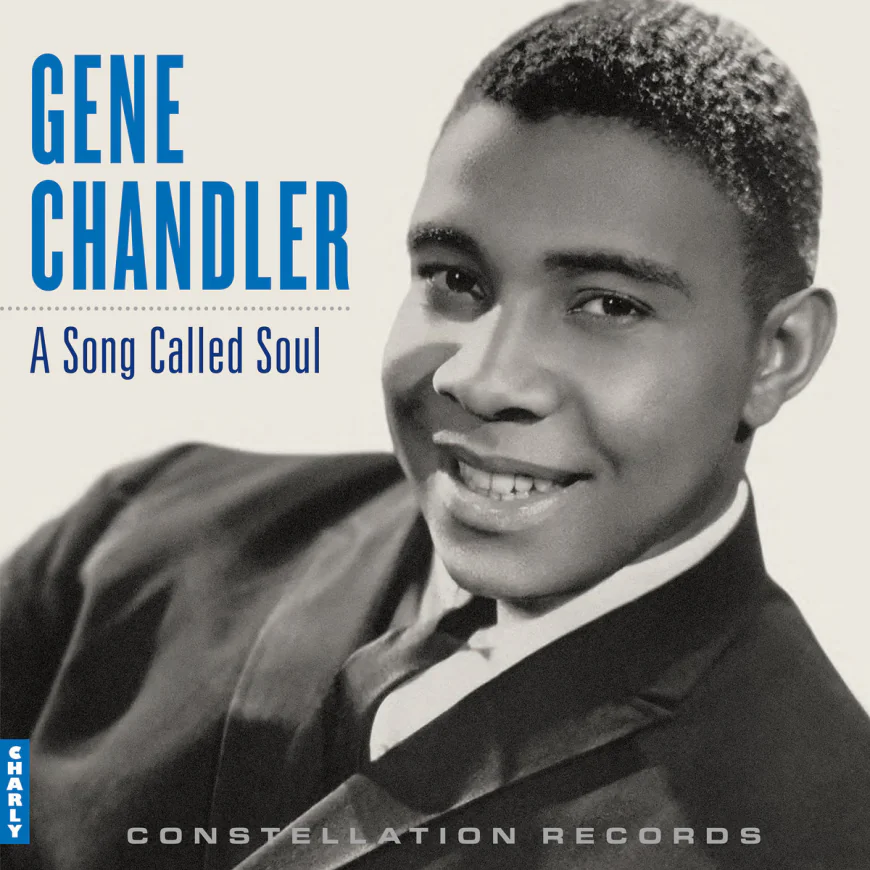
Gene Chandler: A Soul Legend’s Lasting Legacy
On July 6, 1937, in Chicago, Illinois, Eugene Drake Dixon — who would become known worldwide as Gene Chandler — was born. It’s a birthdate that anchors the life story of a man whose music shaped generations: his birthday is celebrated by fans of soul, R&B, and doo-wop around the world.
From Chicago’s South Side to “The Duke of Earl” Stardom
Raised on Chicago’s South Side, Gene Chandler found his voice early. As a teenager, he formed a vocal group, the The Gaytones. A few years later, he joined another local ensemble — The Dukays — helping to usher in a group career that would soon transform dramatically.
After service in the U.S. Army (during which he continued to hone his singing skills), Chandler returned to Chicago in 1960 and rejoined The Dukays. It was in the early 1960s that the moment of transformation arrived: when the group passed on a song — the soon-to-be classic Duke of Earl — Chandler took it as a solo artist. He adopted the surname “Chandler,” inspired by actor Jeff Chandler, crafting not just a name but a persona.
The single “Duke of Earl” rocketed to No. 1 on both the pop and R&B charts — and stayed at the top for three weeks. With that success, Chandler adopted the iconic image of the “Duke”: cape, top hat, monocle, and cane — a theatrical flourish that became inseparable from his identity.
That moment marked the birth of a star whose influence would span decades — from doo-wop to soul, R&B and disco.
Reinvention and Influence: Hits, Labels, and R&B Evolution
After “Duke of Earl,” Chandler didn’t rest on his laurels. He recorded multiple hits in the 1960s — including tracks like “Just Be True” and “Nothing Can Stop Me,” often collaborating with songwriter-producers such as Curtis Mayfield.
But Chandler was more than just a singer: he became a producer and entrepreneur. He founded at least two record labels — Bamboo Records and Mister Chand Records — and worked behind the scenes, shaping sounds and nurturing talent.
In 1970, Chandler returned to the spotlight with Groovy Situation — a single that climbed to No. 12 on the Billboard Hot 100 and No. 8 on the R&B chart. It sold over a million copies and earned gold certification, reaffirming Chandler’s ability to adapt as musical tastes evolved.
Over a career spanning decades, Chandler became one of the few artists whose chart-success journey bridged doo-wop, rhythm & blues, soul, and disco. His contributions earned him induction into the Rhythm and Blues Music Hall of Fame in 2014 — a formal recognition of his legacy in American music.
The Weight of Fame: Financial Picture and Net Worth
Despite his longstanding influence and decades of activity, publicly available sources estimate Gene Chandler’s net worth at around US$ 2 million.
This figure likely reflects earnings from record sales, performances, royalties, production, and his work running record labels. But as with many artists from his era, the documented value doesn’t always capture the full extent of cultural impact — or how much influence rippled out from his early hits to shape soul, R&B, and even disco for future generations.
Private Life & Behind-The-Scenes: What Is — and Isn’t — Known
While Chandler’s music career is well documented, less is known publicly about his intimate personal life. Reliable sources do not confirm any current relationships, marriages, or publicly known romantic partners. Many of the “fan-site” or gossip-style profiles that attempt to detail such aspects remain unverified or speculative.
This privacy stands in contrast to the vivid public persona he cultivated as “The Duke.” It may also reflect the era he came from — a time when many African-American artists, especially in soul or R&B, navigated fame largely through music rather than tabloid exposure.
One verified personal detail: Chandler had a brother, named Richard Dixon.
Why Gene Chandler’s Story Matters Beyond the Charts
Gene Chandler’s journey — from a young vocalist on Chicago’s South Side to a name permanently etched in the history of American music — is more than just about chart positions or gold records. His story is emblematic of the mid-20th century musical evolution: a bridge between doo-wop vocal groups, soul, rhythmic blues, and the dawn of disco.
His enduring fame underscores how a single hit — turned persona — can transcend time. “Duke of Earl” isn’t just a song: it represents an era, a sound, a shift. Chandler’s ability to adapt, to produce, and to lead record labels shows a savvy not just for performance but for business — allowing his influence to ripple across artists, genres, and generations.
Moreover, his legacy stands as a reminder: not all impact shows up in net worth. Cultural influence — the shaping of musical tastes, the inspiration to future artists, the soundtrack to people’s lives — can be immeasurable.