




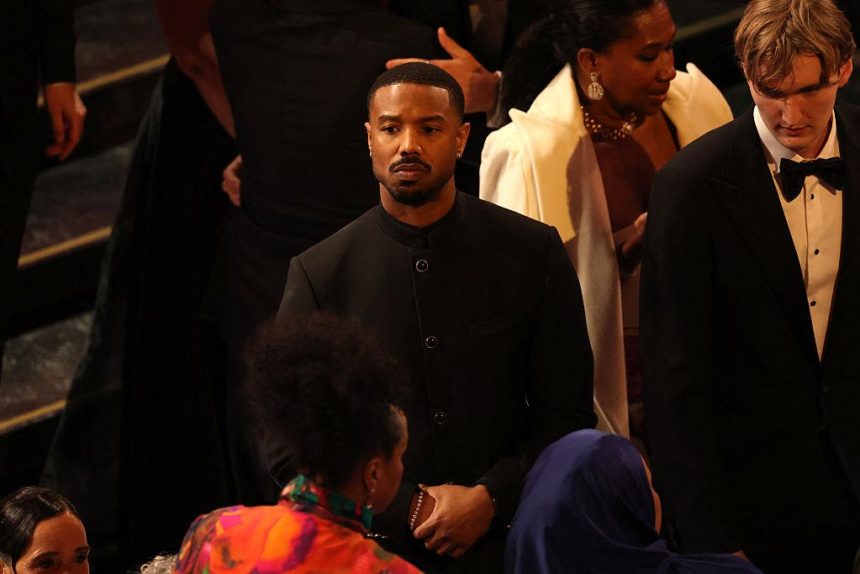
Introduction: A Defining Year for the Academy Awards
The 98th Academy Awards, held on March 15, 2026, at the Dolby Theatre, delivered one of the most consequential Oscar nights in recent memory. With a mix of first-time winners, historic milestones, and a clear standout film, the ceremony reflected both continuity and change within the global film industry.
- The Big Story: “One Battle After Another” Sweeps the Oscars
- “Sinners”: A Record-Breaking Contender with Cultural Impact
- Acting Categories: Breakthrough Performances Take Center Stage
- Other Key Winners and Notable Milestones
- The Ceremony: Entertainment, Emotion, and Industry Reflection
- Industry Implications: What the 2026 Oscars Signal
- Conclusion: A Landmark Oscars Night
At the center of the evening was “One Battle After Another,” a film that dominated the awards and reshaped the competitive narrative of the 2026 awards season. Around it, a diverse field of films—including “Sinners” and “Hamnet”—signaled a broader shift toward inclusive storytelling and global cinematic voices.
The Big Story: “One Battle After Another” Sweeps the Oscars
A Six-Award Triumph
Paul Thomas Anderson’s “One Battle After Another” emerged as the defining film of the night, securing six Academy Awards:
-
Best Picture
-
Best Director (Paul Thomas Anderson)
-
Best Adapted Screenplay (Paul Thomas Anderson)
-
Best Supporting Actor (Sean Penn)
-
Best Film Editing
-
Best Casting
The film’s sweeping success marked a long-awaited breakthrough for Anderson, who had previously received multiple nominations without securing a win in the Best Director category. His victory reflects both industry recognition and the film’s resonance with contemporary themes, particularly its exploration of nativism and activism.



Sean Penn’s win added another layer of significance. Although absent from the ceremony, he became a three-time Oscar winner, tying a notable record among male actors in supporting roles.
Why It Matters
This sweep signals a strong industry preference for films that combine political undertones with character-driven storytelling. It also reinforces Anderson’s position as one of modern cinema’s most respected auteurs.



“Sinners”: A Record-Breaking Contender with Cultural Impact
From 16 Nominations to Four Major Wins
Ryan Coogler’s “Sinners” entered the Oscars with a record-tying 16 nominations—one of the highest in Academy history. It converted four of those into wins:
-
Best Actor — Michael B. Jordan
-
Best Original Screenplay — Ryan Coogler
-
Best Original Score — Ludwig Göransson
-
Best Cinematography — Autumn Durald Arkapaw
Michael B. Jordan’s performance as twin brothers Smoke and Stack was widely regarded as a technical and emotional achievement. His win represented a career milestone and carried broader cultural weight, as he used his acceptance speech to honor predecessors in Black cinema.
A Historic First in Cinematography
Autumn Durald Arkapaw made history as the first woman to win Best Cinematography—an achievement that has long been overdue in an industry traditionally dominated by men.
Community and Cultural Resonance
The film’s impact extended beyond the awards stage. In the Bay Area, where Coogler has deep roots, audiences celebrated the wins with strong emotional investment. Public figures and community members described the film as a source of pride and representation, highlighting its broader cultural influence.



Acting Categories: Breakthrough Performances Take Center Stage
Best Actor: Michael B. Jordan
Jordan’s win for “Sinners” marks a turning point in his career, elevating him from blockbuster star to critically recognized actor. His dual-role performance required both technical precision and emotional depth—qualities that resonated strongly with Academy voters.
Best Actress: Jessie Buckley
Jessie Buckley’s performance in “Hamnet,” directed by Chloé Zhao, earned her the Best Actress award. Her victory is historic—she became the first Irish winner in this category.
Buckley’s portrayal was widely praised for its emotional intensity and nuanced storytelling, reinforcing Zhao’s reputation for crafting deeply human narratives.
Supporting Categories
-
Best Supporting Actor: Sean Penn (“One Battle After Another”)
-
Best Supporting Actress: Amy Madigan (“Weapons”)
These wins reflect a broader trend: strong ensemble casts and supporting performances are increasingly central to a film’s awards success.
Other Key Winners and Notable Milestones
Expanding Global and Genre Recognition
The 2026 Oscars showcased diversity across genres and international cinema:
-
Best Animated Feature: KPop Demon Hunters
-
Best Original Song: “Golden” (KPop Demon Hunters) — a historic first for a K-pop song
-
Best International Feature Film: Sentimental Value — the first Norwegian film to win in this category
-
Best Documentary Feature: Mr Nobody Against Putin
These wins indicate a growing openness within the Academy toward global storytelling and non-traditional genres.
Technical Excellence
Films like “Frankenstein” and “F1” dominated technical categories, winning awards for:
-
Makeup and Hairstyling
-
Production Design
-
Sound
-
Visual Effects
This reflects the continued importance of technical craftsmanship in shaping cinematic experiences.
The Ceremony: Entertainment, Emotion, and Industry Reflection
Hosted by Conan O’Brien for the second consecutive year, the ceremony balanced humor with emotional depth. His delivery included sharp comedic moments alongside respectful tributes.
Emotional Highlights
-
The In Memoriam segment honored late figures in Hollywood
-
Performances and musical acts added energy to the ceremony
-
Appearances from past winners such as Adrien Brody, Zoe Saldaña, and Mikey Madison reinforced continuity within the industry
Red Carpet and Public Attention
Fashion remained a major talking point, with bold and experimental styles dominating the red carpet. These moments continue to extend the Oscars’ relevance beyond film into broader pop culture.
Industry Implications: What the 2026 Oscars Signal
1. Auteur Cinema Is Resurgent
The success of “One Battle After Another” highlights a renewed appetite for director-driven storytelling.
2. Diversity Is No Longer Peripheral
From Arkapaw’s historic win to Buckley’s breakthrough, the Academy is increasingly recognizing diverse talent across categories.
3. Global Influence Is Expanding
Wins for international and genre-specific films suggest a more globalized definition of cinematic excellence.
4. Cultural Narratives Drive Recognition
Films like “Sinners” demonstrate that culturally rooted stories can achieve both critical acclaim and mainstream success.
Conclusion: A Landmark Oscars Night
The 2026 Academy Awards will be remembered as a year of both dominance and disruption. “One Battle After Another” set a new benchmark for awards success, while “Sinners” and other films expanded the cultural and artistic boundaries of the Oscars.
Beyond individual wins, the ceremony reflected a broader evolution within the film industry—one that prioritizes diversity, global storytelling, and meaningful narratives. As the awards season concludes, the impact of these results is likely to shape film production, casting, and storytelling trends for years to come.