



Fred Ridley: Balancing Tradition and Change at Augusta National
Introduction: The Custodian of Golf’s Most Iconic Stage
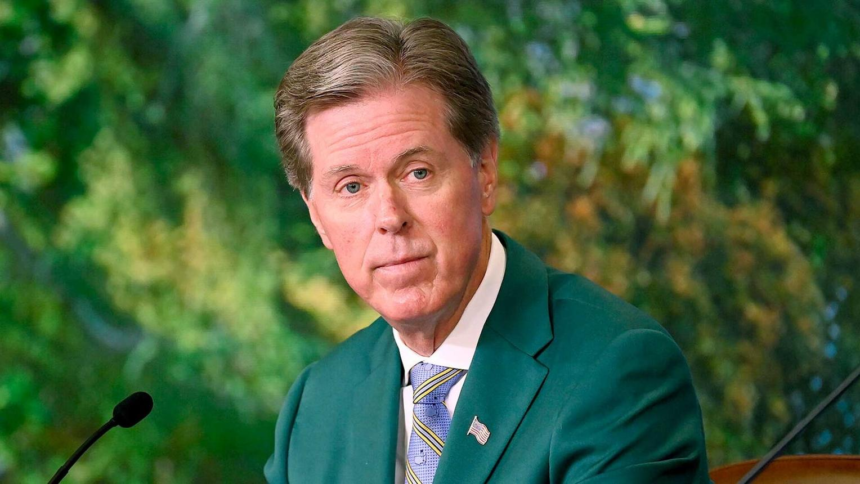
Few figures in modern golf carry the institutional weight of Fred Ridley. As chairman of Augusta National Golf Club, Ridley operates at the intersection of tradition, governance, and global visibility. His role extends beyond overseeing the The Masters Tournament—he is, in effect, one of the sport’s chief custodians.
- Fred Ridley: Balancing Tradition and Change at Augusta National
- A Moment of Reflection: The “Dude Perfect” Experiment
- Protecting the Game: The Driving Distance Debate
- Augusta’s Broader Vision: Community and Accessibility
- Supporting Golf’s Icons: The Case of Tiger Woods
- The Ongoing Tension: Tradition vs Modernization
- What Comes Next for Fred Ridley and Augusta National?
- Conclusion: A Steward in a Changing Game
In 2026, Ridley’s comments and decisions have once again placed him at the center of golf’s most important conversations—from preserving the integrity of the game to navigating modern media exposure and technological change.
A Moment of Reflection: The “Dude Perfect” Experiment
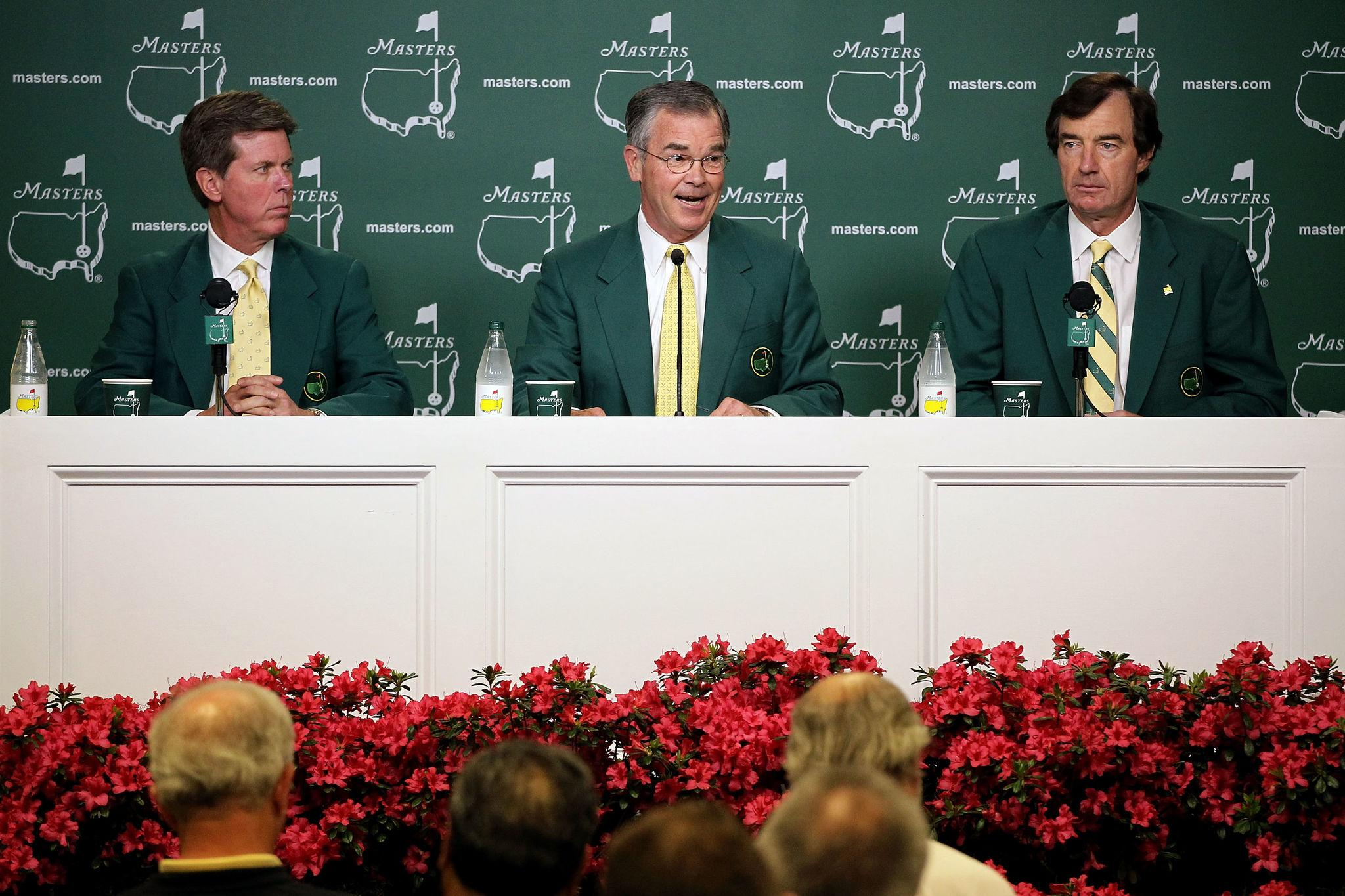
One of the more unexpected topics during the 2026 Masters press conference was Ridley’s reflection on a controversial but widely viewed collaboration involving the YouTube group Dude Perfect.


The 2022 video, filmed at Augusta National, featured unconventional scenes—frisbees flying over Amen Corner and croquet mallets used as putters. For a venue known for strict rules, phone bans, and a carefully controlled image, the decision surprised many observers.
Ridley acknowledged that the move may not have aligned perfectly with the club’s ethos:



“A few years ago, we had Dude Perfect playing frisbee at Amen Corner. In retrospect, I like those guys, but that may not have been the best idea.”
Despite the video generating nearly 20 million views and reaching a younger audience, the episode highlights an ongoing dilemma: how far can a tradition-bound institution stretch to remain relevant?
Ridley framed it as part of a broader balancing act:
“We need to be looking at nontraditional ways of promoting the tournament, but more so promoting golf.”
This tension—between innovation and preservation—remains a defining theme of his leadership.
Protecting the Game: The Driving Distance Debate
Beyond media experimentation, Ridley has taken a firm stance on one of golf’s most debated technical issues: driving distance.



At elite levels, players are now routinely exceeding 350 yards off the tee. While this may enhance spectacle, Ridley argues it risks distorting the nature of the sport.
He reaffirmed Augusta National’s support for governing bodies like the USGA and The R&A in implementing a new “Overall Distance Standard” expected around 2030.
His reasoning is rooted in preserving golf’s core identity:
“The game has become much more one-dimensional.”
Ridley emphasized that traditional elements—shot shaping, creativity, and strategic decision-making—are being overshadowed by raw power.
He also highlighted practical consequences:
- Longer courses increase costs and environmental strain
- Many historic venues lack the capacity to expand
- Competitive balance risks being skewed toward power hitters
Importantly, Ridley noted that these changes would have minimal impact on recreational golfers:
“Millions of weekend golfers around the world will be hard-pressed to notice the effects.”
In his view, regulating equipment is not about reversing progress but safeguarding the sport’s long-term viability.
Augusta’s Broader Vision: Community and Accessibility
While Augusta National is often associated with exclusivity, Ridley has also emphasized initiatives aimed at expanding access to the game.
One of the most notable projects is the redevelopment of Augusta Municipal Golf Course—known locally as “The Patch.” The addition of a new short course, “The Loop,” reflects a deliberate effort to make golf more inclusive.
Ridley described the initiative as:
“A community destination where golf is accessible, affordable, and fun for everyone.”
This project is part of a broader partnership involving local institutions and educational organizations. It signals a shift in Augusta National’s role—from elite host venue to community stakeholder.
Supporting Golf’s Icons: The Case of Tiger Woods
Ridley also addressed the situation surrounding Tiger Woods, reinforcing Augusta National’s ongoing support for one of golf’s most influential figures.
Following Woods’ decision to step away from competition to focus on his health, Ridley stated:
“We fully support Tiger’s recent decision to focus on his health and well-being… Our commitment to the TGR Foundation and to Tiger personally has not wavered.”
This support extends beyond words. Woods’ design firm, TGR Design, has contributed to projects in Augusta, while his foundation is involved in developing a new learning lab focused on STEAM education.
The planned facility—targeted for completion by 2028—aims to provide underserved youth with educational and workforce opportunities.
The Ongoing Tension: Tradition vs Modernization
Ridley’s leadership can be understood through a recurring framework: controlled evolution.
On one side:
- Augusta National’s identity is built on tradition, exclusivity, and precision
- The Masters remains one of the most carefully curated sporting events in the world
On the other:
- The sport faces pressure to modernize and attract younger audiences
- Digital media, influencers, and new broadcast formats are reshaping engagement
The “Dude Perfect” episode, the distance rollback debate, and new media partnerships all reflect this tension.
Even decisions around personalities—such as limiting certain media presences while allowing others—suggest that Augusta is still calibrating its approach.
What Comes Next for Fred Ridley and Augusta National?
Looking ahead, several developments will define Ridley’s legacy:
1. Implementation of Distance Regulations (2030)
The success or failure of equipment regulation will have long-term implications for professional golf.
2. Evolution of Media Strategy
Augusta must determine how to engage global audiences without compromising its brand.
3. Expansion of Community Initiatives
Projects like The Loop and the TGR Learning Lab may redefine Augusta’s role in grassroots golf development.
4. Preservation of Competitive Integrity
Ensuring that skill—not just power—remains central to the game will continue to guide policy decisions.
Conclusion: A Steward in a Changing Game
Fred Ridley’s tenure as chairman reflects a measured, deliberate approach to change. He is neither resistant to innovation nor fully embracing disruption. Instead, he operates within a narrow corridor—introducing new ideas cautiously while safeguarding golf’s defining characteristics.
His own words capture the philosophy succinctly:
“Regulation of the golf ball is not an attempt to turn back time or stifle progress. It is an effort to preserve the essence of what makes golf the great game that it is.”
That principle—preserving essence while adapting to reality—remains central to Augusta National’s future and to Ridley’s role as one of golf’s most influential figures.