

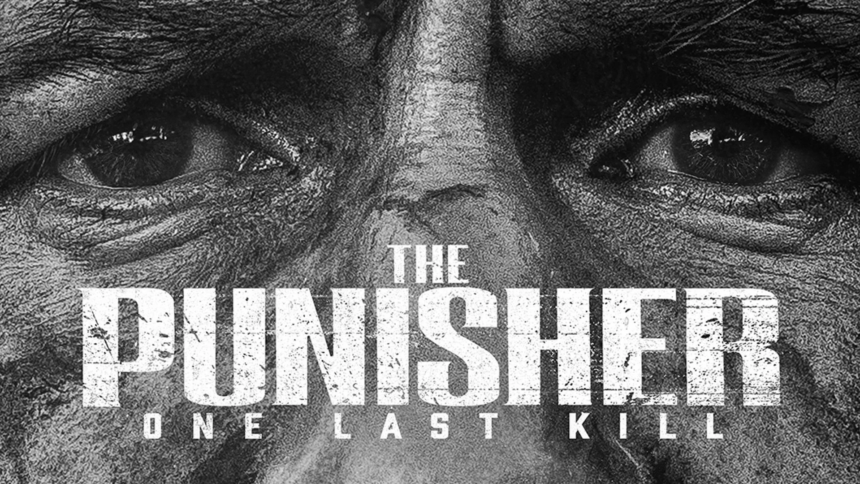
The Punisher: One Last Kill (2026) — A Character Study in Violence, Consequence, and Identity
Introduction: A Return That Refuses to Soften the Edges
In 2026, Marvel Studios revisits one of its most uncompromising characters with The Punisher: One Last Kill, a Disney+ special that signals a deliberate tonal shift within the Marvel Cinematic Universe (MCU). Positioned as part of Phase Six, the project is not framed as a conventional superhero outing, but rather as a tightly constructed narrative centered on psychological conflict, moral ambiguity, and the enduring cost of violence.
- Introduction: A Return That Refuses to Soften the Edges
- Narrative Focus: A Man Trying to Escape Himself
- Production Context: From Cancellation to Reinvention
- Creative Direction: A “No-Holds-Barred” Interpretation
- Cast and Character Dynamics
- Filming and Visual Identity
- Integration Within the MCU Timeline
- Thematic Implications: Violence as a System, Not a Solution
- Cultural and Industry Context
- Conclusion: A Defining Chapter for the Punisher
Scheduled for release on May 12, 2026, the special arrives at a pivotal moment for the MCU’s street-level storytelling, following the resurgence of grounded narratives through Daredevil: Born Again.
Narrative Focus: A Man Trying to Escape Himself
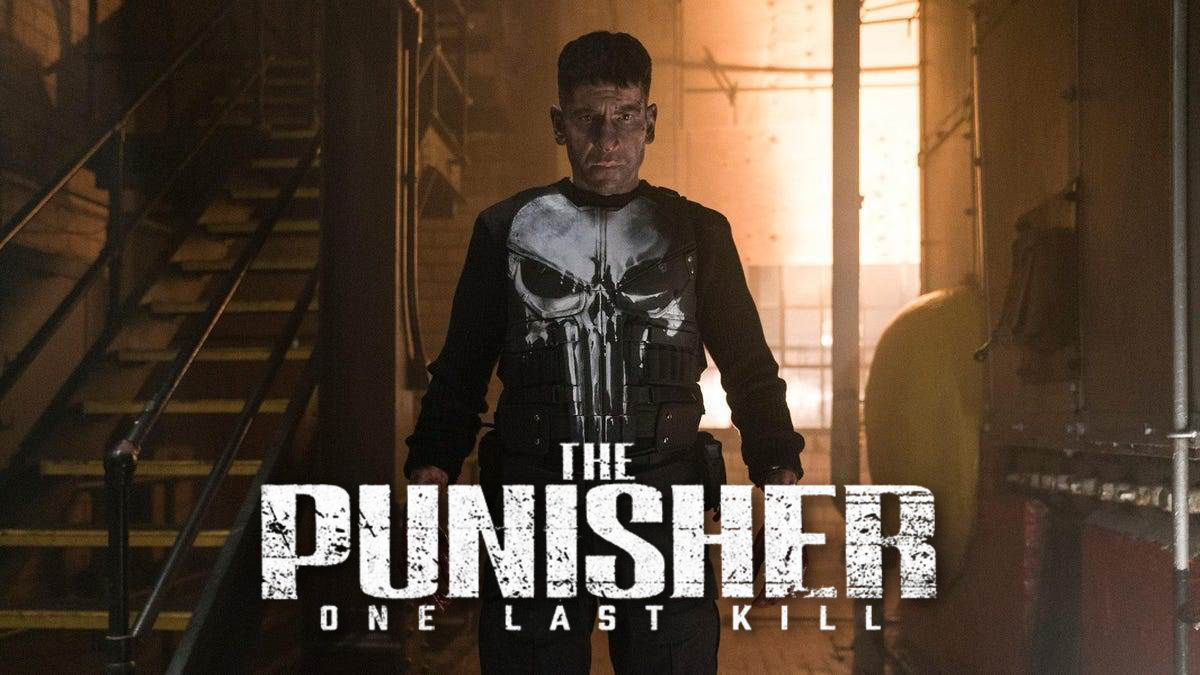
At its core, One Last Kill is built around a deceptively simple premise: Frank Castle attempts to live without revenge, only to be pulled back into conflict.
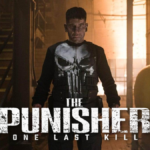
This narrative framing is critical. Unlike earlier portrayals that centered on relentless retaliation, the new special introduces tension between restraint and inevitability. Castle is no longer just reacting to trauma—he is actively attempting to redefine himself, a direction that inherently creates internal friction.
The result is a story that explores:

- The sustainability of vigilantism
- The psychological aftermath of prolonged violence
- The blurred boundary between justice and obsession
Marvel’s approach here is less about escalation and more about introspection, positioning the character within a more mature narrative framework.
Production Context: From Cancellation to Reinvention
The path to One Last Kill reflects a broader evolution within Marvel’s television strategy.
- The original The Punisher series (2017–2019) concluded amid Marvel Television’s restructuring.
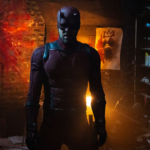
- The character re-emerged in Daredevil: Born Again (2025–present), reintroducing him into the MCU continuity.
- During production of that series, Jon Bernthal developed the concept for a standalone special.
This trajectory underscores a key shift: creative control has moved closer to the actor most associated with the role. Bernthal not only reprises his performance but also co-writes the project alongside director Reinaldo Marcus Green, marking his first official writing credit.
The implication is clear—this is not a studio-imposed reinterpretation, but a character-driven continuation shaped by long-term investment in the role.

Creative Direction: A “No-Holds-Barred” Interpretation
From a tonal standpoint, Marvel is positioning One Last Kill as one of its most intense character studies to date.
Key creative indicators include:
- A TV-MA rating, signaling explicit thematic and visual content
- Descriptions of the story as a “shotgun blast” with emotional depth
- A commitment to portraying violence with consequence rather than spectacle
Bernthal has emphasized that this is not a diluted version of the character, but rather a “visceral, psychologically complex, unforgiving” portrayal where “all violence has a cost.”
This framing aligns the project more closely with crime drama and character-driven thrillers than with traditional superhero narratives.
Cast and Character Dynamics
The special retains continuity with earlier iterations while introducing new narrative elements.
Core Cast
- Jon Bernthal — Frank Castle / Punisher
- Jason R. Moore — Curtis Hoyle
- Roe Rancell — Dennis
- Mila Jaymes — Charli
Curtis Hoyle’s return is particularly significant. As a stabilizing figure in Castle’s life, his presence reinforces the thematic tension between rehabilitation and relapse.
Additionally, the expected appearance of figures tied to the Gnucci crime family suggests a continuation of organized crime narratives that have historically grounded the Punisher’s storylines.
Filming and Visual Identity
Production took place in New York City, with filming running from mid-July to early August 2025.
Locations included:
- Queens (Jamaica Avenue)
- Brooklyn (near Green-Wood Cemetery)
The choice of real urban environments reinforces the series’ grounded aesthetic. Combined with cinematography by Robert Elswit, known for visually textured storytelling, the special is expected to maintain a gritty, immersive tone rather than stylized spectacle.
Integration Within the MCU Timeline
One Last Kill is not an isolated narrative. It is structurally integrated into broader MCU continuity:
- Occurs alongside Daredevil: Born Again Season 2
- Releases one week after that season’s finale
- Precedes the character’s appearance in Spider-Man: Brand New Day (2026)
This sequencing suggests a deliberate narrative pipeline, where the special acts as both a character deep-dive and a transitional bridge into larger cinematic arcs.
Thematic Implications: Violence as a System, Not a Solution
What distinguishes One Last Kill from earlier Punisher adaptations is its explicit focus on consequences.
The narrative does not appear to celebrate violence as a solution, but rather interrogates it as a cycle:
- Personal trauma leads to vigilantism
- Vigilantism produces further instability
- Attempts at withdrawal are undermined by systemic conflict
By framing Castle as a man attempting to disengage rather than escalate, the story introduces a more complex ethical landscape. This positions the character less as a symbol of retribution and more as a case study in unresolved trauma.
Cultural and Industry Context
Within the broader entertainment landscape, One Last Kill reflects several industry trends:
- Shift Toward Mature Superhero Content
The TV-MA rating aligns with audience demand for darker, more realistic narratives. - Character-Centric Storytelling
Rather than expanding scope, the project narrows focus to psychological depth. - Actor-Driven Creative Input
Bernthal’s involvement in writing signals a move toward performance-informed storytelling. - Hybrid Format Experimentation
As a “Special Presentation,” the project sits between film and series, allowing for tighter narrative construction.
Conclusion: A Defining Chapter for the Punisher
The Punisher: One Last Kill is positioned as more than a continuation—it is a recalibration.
By combining:
- A character-driven narrative
- A mature thematic approach
- Direct creative involvement from its lead actor
the special aims to redefine how Frank Castle is represented within the MCU.
Whether it ultimately serves as a conclusion, a transition, or a reinvention remains to be seen. What is clear, however, is that Marvel is treating this installment not as routine content, but as a deliberate exploration of one of its most complex characters.