





Fortnite Server Status: What’s Really Happening During Downtime?
A Practical Guide to Understanding Fortnite Server Outages
When Fortnite servers go offline, millions of players immediately notice. Matches stop mid-session, logins fail, and social media fills with one question: “Are Fortnite servers down right now?”
- A Practical Guide to Understanding Fortnite Server Outages
- Why Fortnite Servers Go Down
- How Long Does Fortnite Downtime Last?
- When Downtime Isn’t Planned: Server Outages Explained
- Are Fortnite Servers Back Online?
- How to Check Fortnite Server Status in Real Time
- What Players Should Do During Downtime
- The Bigger Picture: Why Server Stability Matters
- What Comes Next for Fortnite Servers?
- Conclusion: Understanding Fortnite Server Status
Server downtime is not unusual in modern online gaming, but recent disruptions—combined with scheduled updates—have made server status a trending topic again. Understanding what’s happening behind the scenes helps separate routine maintenance from genuine outages.
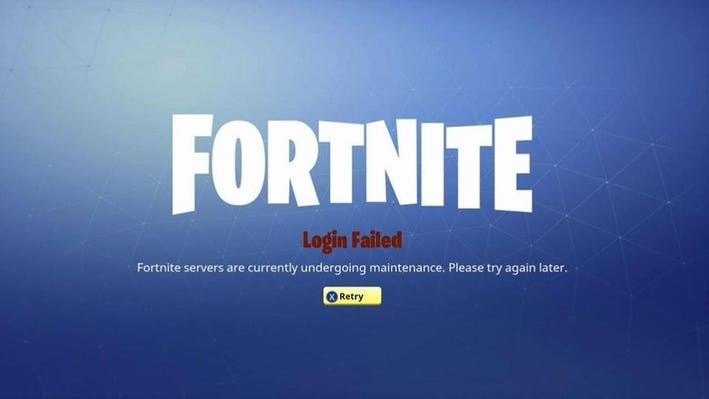
Why Fortnite Servers Go Down
Fortnite operates on a live-service model, meaning it depends entirely on real-time servers. Any interruption—planned or unplanned—affects gameplay instantly.



1. Scheduled Maintenance and Updates
The most common reason for downtime is a new update rollout.
On April 1, 2026, Epic Games deployed the v40.10 update, temporarily taking servers offline. As with most updates, players were unable to access core modes like Battle Royale and Zero Build during maintenance.



- Downtime typically begins before the update launch
- Servers are taken offline globally
- Players regain access once deployment is complete
This process ensures stability, introduces new content, and fixes bugs.
2. Major Content Releases
The April 1 update wasn’t just routine—it introduced significant changes, including:
- A return to Chapter 1 Season 8 (Fortnite OG)
- Map changes tied to in-game events like earthquakes and a volcano
- Preparation for the return of the Avengers limited-time mode
These large updates often require longer downtime due to backend changes and content integration.
How Long Does Fortnite Downtime Last?
While Epic Games rarely confirms exact timelines, historical patterns provide a reliable estimate.



Typical Downtime Duration
- Mid-season updates: ~2 to 4 hours
- Major seasonal changes: Longer, sometimes exceeding several hours
For the April 1 patch:
- Downtime started at 2 AM ET
- Expected recovery window: around 4–5 AM ET
However, these are projections—not guarantees. Unexpected issues can extend downtime.
When Downtime Isn’t Planned: Server Outages Explained
Not all server disruptions are scheduled.
A significant outage on April 1 affected not only Fortnite but also other major titles like Apex Legends and ARC Raiders.
What Happened?
- Thousands of players reported login failures
- Frequent disconnections and matchmaking issues occurred
- Complaints spiked rapidly across outage tracking platforms
Unlike planned maintenance, this disruption appeared sudden and unannounced.
Possible Causes
Developers did not confirm a single cause, but common triggers include:
- Backend server failures
- Cloud infrastructure issues
- Traffic spikes overwhelming systems
- Third-party service disruptions
When multiple games experience issues simultaneously, it often points to shared infrastructure problems rather than isolated failures.
Are Fortnite Servers Back Online?
Following the outage, Fortnite developers confirmed progress:
“We’ve resolved an issue with players being unable to log in to Fortnite servers. We’ll continue to monitor this to ensure logins and matchmaking have returned to normal.”
This indicates:
- Core login issues were fixed
- Servers began stabilizing
- Monitoring continued to prevent further disruptions
Even after restoration, players may still experience:
- Slow matchmaking
- Minor lag
- Temporary connection instability
How to Check Fortnite Server Status in Real Time
For players, the key challenge is distinguishing between a local issue and a global outage.
Reliable Methods
- Official Fortnite status channels
- Social media updates from developers
- Server status pages
These sources provide immediate updates during outages or maintenance periods.
What Players Should Do During Downtime
Server outages are largely beyond player control, but there are practical steps to follow.
Recommended Approach
These steps help reduce frustration and avoid unnecessary system strain:
- Wait for official confirmation before attempting to log in again
- Avoid repeated login attempts, which can overload servers
- Check server status updates from official channels
- Verify your internet connection to rule out local issues
During widespread outages, patience is often the most effective strategy.
The Bigger Picture: Why Server Stability Matters
Fortnite is more than just a game—it’s a global platform hosting millions of concurrent players.
Impact of Server Downtime
- Disrupted tournaments and competitive play
- Interrupted daily quests and rewards
- Frustration among casual and professional players
As online gaming scales, maintaining uptime becomes increasingly complex. Even minor technical issues can ripple across millions of users.
What Comes Next for Fortnite Servers?
Looking ahead, server downtime will remain a regular part of Fortnite’s lifecycle.
Expected Trends
- More frequent updates with evolving content
- Continued investment in server infrastructure
- Improved communication during outages
Epic Games has shown a pattern of responding quickly and restoring services efficiently, but occasional disruptions are unavoidable in large-scale online ecosystems.
Conclusion: Understanding Fortnite Server Status
Fortnite server downtime—whether planned or unexpected—is an inherent part of a live-service game.
Scheduled maintenance ensures the game evolves with new features and improvements, while unexpected outages highlight the technical complexity behind global online platforms.
For players, the key is awareness: knowing when downtime is normal, when it’s a broader issue, and where to find reliable updates. With that understanding, server interruptions become less frustrating and more predictable.