


Fortnite Chapter 7 Season 2: A High-Stakes Return to Storytelling and Spectacle
The Wait Ends: A Delayed Season Finally Arrives
After one of the longest stretches in recent memory, Fortnite is entering a new chapter. Chapter 7 Season 2 officially launches on March 19, 2026, closing out a prolonged Season 1 that began back in November 2025. The delay—extended by roughly two weeks beyond its original early-March target—has heightened anticipation across the player base.
- The Wait Ends: A Delayed Season Finally Arrives
- Launch Timing and Server Downtime: What Players Need to Know
- A Narrative Reset: The Foundation vs. The Ice King
- Battle Pass and Skins: From Meme Culture to Classic Icons
- New Features and Gameplay Changes
- Industry Context: A Critical Moment for Battle Royale
- Cultural Positioning: Fortnite as a Digital Ecosystem
- What Comes Next?
- Conclusion: A Season With More at Stake Than Usual
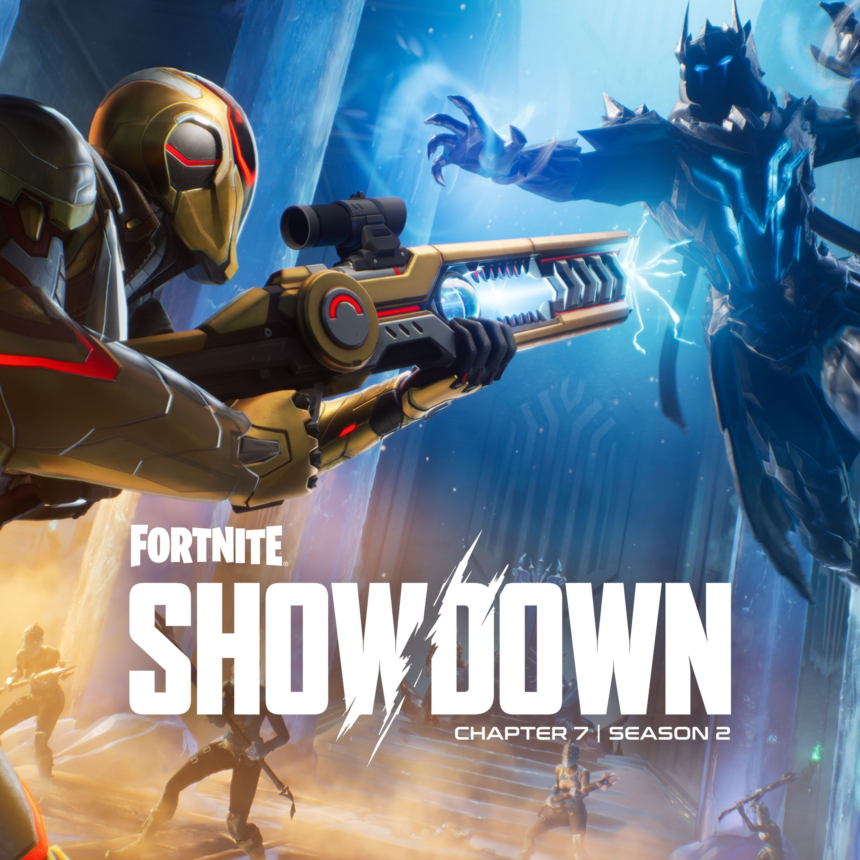
The new season, widely referred to as “Showdown,” represents more than just another content refresh. It signals a pivot back toward narrative-driven gameplay, a move that could reshape how players engage with the evolving world of Fortnite.
Launch Timing and Server Downtime: What Players Need to Know
The rollout follows a familiar operational structure: server downtime, patch deployment, and staggered global access. This process ensures stability while introducing large-scale updates, including map changes, new systems, and cosmetic content.
What the process achieves:
It allows Epic Games to safely integrate major gameplay changes, minimize bugs, and synchronize the experience globally before reopening servers.



Expected Timeline
-
Downtime begins: Around 2 AM ET (March 19, 2026)
-
Estimated downtime window: 7 AM – 10 AM ET
-
Projected live window: Starting 4 AM PT / 7 AM ET, depending on maintenance progress
Regional Launch Times
-
North America (PT): 4:00 AM
-
North America (ET): 7:00 AM
-
United Kingdom (GMT): 11:00 AM
-
Europe (CET): 12:00 PM
-
Japan (JST): 8:00 PM
-
Australia (AEDT): 11:00 PM
-
New Zealand (NZDT): 1:00 AM (March 20)
Players encountering “server down” messages during this period are simply experiencing standard pre-launch maintenance.
A Narrative Reset: The Foundation vs. The Ice King
One of the most notable shifts this season is a renewed focus on Fortnite’s internal storyline. Instead of relying heavily on crossover-driven narratives, Chapter 7 Season 2 brings back core lore elements.


At the center of the conflict:
-
The Foundation, portrayed by Dwayne “The Rock” Johnson
-
The Ice King, a resurrected antagonist from earlier chapters
This confrontation marks a return to the franchise’s original mythos, reconnecting long-time players with its evolving universe.
Battle Pass and Skins: From Meme Culture to Classic Icons
Epic Games continues to blend internet culture, legacy characters, and original designs into its Battle Pass.
Confirmed Highlights
-
Bugs Bunny joins as a major crossover skin, expanding the game’s collaboration portfolio into classic animation
-
Jules (Remix Skin) returns with a redesigned aesthetic
-
The Foundation and Ice King skins tie directly into the season’s narrative arc
Viral Culture Enters the Game
Perhaps the most unexpected addition is the inclusion of Tung Tung Sahur and Ballerina Cappuccina—AI-generated meme characters that went viral in 2025. Their appearance reflects Fortnite’s ongoing strategy of integrating internet-native culture into mainstream gaming.



This move underscores how the game continues to operate as a hybrid platform—part battle royale, part cultural aggregator.
New Features and Gameplay Changes
While full patch notes are expected post-launch, several gameplay elements have already surfaced:
-
“Skyzips” – a new mobility mechanic expected to change traversal dynamics
-
Map updates – early leaks suggest structural changes, though details remain limited
-
Expanded cosmetic ecosystem – including additional collaborations such as Cyberpunk 2077 (with potential additions like Adam Smasher)
These features suggest a continued emphasis on vertical movement, faster rotations, and more dynamic engagements.
Industry Context: A Critical Moment for Battle Royale
The launch arrives at a pivotal time for the genre. Recent data indicates a measurable decline in engagement:
-
Battle royale playtime down 27% year-over-year
-
Fortnite specifically down 29%
-
Competing titles:
-
Apex Legends: down 24%
-
Call of Duty: down 33%
-
Meanwhile, open-world sandbox games have grown by 36%, signaling a shift in player preferences.
Chapter 7 Season 2, therefore, is not just a routine update—it is a strategic response. By re-centering narrative depth and introducing fresh mechanics, Epic Games appears to be addressing retention challenges directly.
Cultural Positioning: Fortnite as a Digital Ecosystem
Beyond gameplay, Fortnite continues to function as a broader entertainment platform. The inclusion of:
-
Legacy characters (Bugs Bunny)
-
Internet memes (Tung Tung Sahur)
-
AAA crossovers (Cyberpunk 2077)
demonstrates its unique positioning at the intersection of gaming, media, and online culture.
This hybrid identity remains one of its strongest differentiators in a crowded market.
What Comes Next?
Early impressions suggest cautious optimism. While the return to core storytelling is widely welcomed, questions remain about whether it is sufficient to reverse declining engagement trends.
Key indicators to watch:
-
Player retention over the first two weeks
-
Adoption of new mechanics like Skyzips
-
Reception of the Battle Pass content
-
Impact of narrative-driven events on engagement
If successful, Chapter 7 Season 2 could redefine the trajectory of Fortnite’s current lifecycle. If not, it may accelerate the broader shift away from battle royale dominance.
Conclusion: A Season With More at Stake Than Usual
Fortnite Chapter 7 Season 2 arrives with heightened expectations and clear strategic intent. It blends nostalgia, innovation, and cultural relevance in an attempt to reassert the game’s position at the top of the industry.
Whether it becomes a turning point or simply another update will depend on how players respond in the coming days. What is clear, however, is that this season carries more weight than most—both for Fortnite and for the future of the battle royale genre itself.