
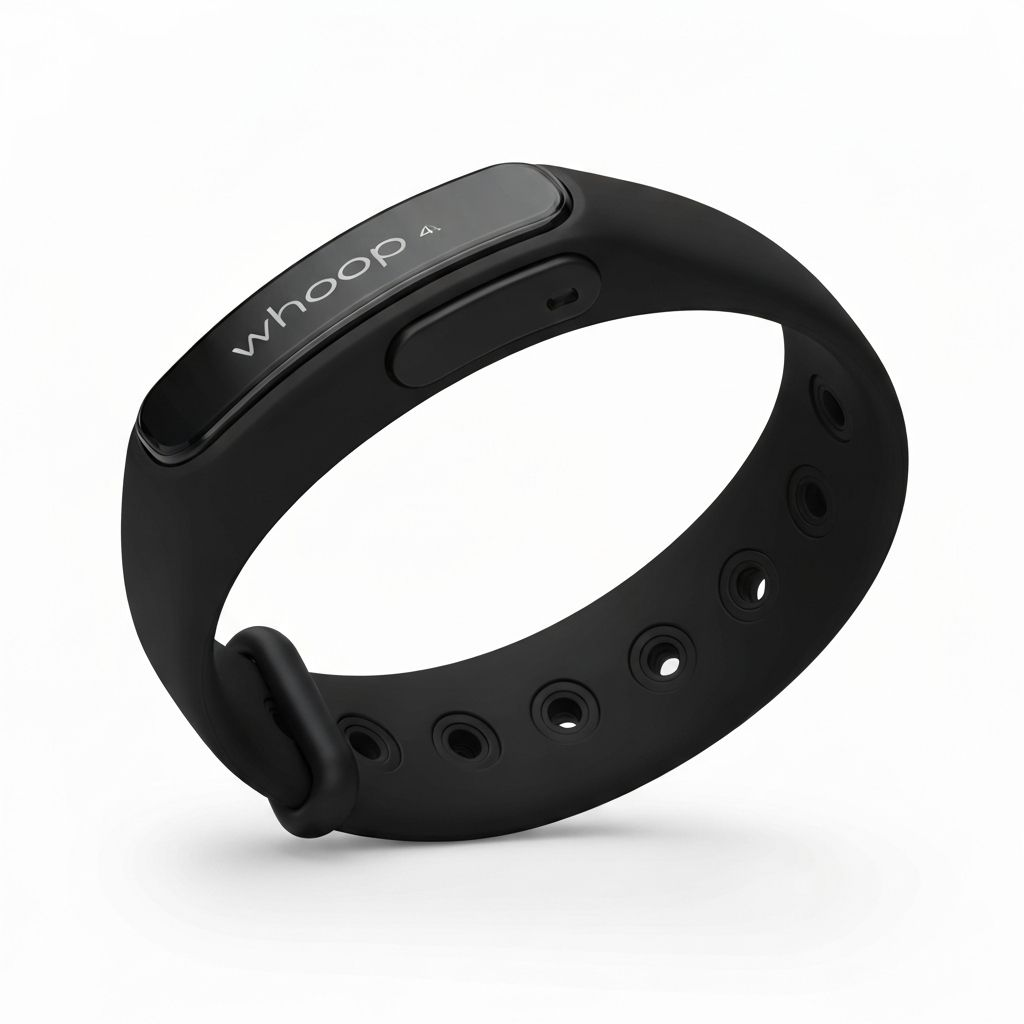
Fitbit Air vs WHOOP: Which Screenless Fitness Tracker Makes More Sense?
The screenless fitness tracker is having a moment again. After years in which smartwatches dominated the wearable conversation, two very different companies are now fighting for the same wrist: WHOOP, the performance-tracking specialist beloved by athletes and recovery obsessives, and Google, which is using the new Fitbit Air to pull Fitbit into a broader AI-powered health strategy.
At first glance, Fitbit Air and WHOOP 5.0 look like natural rivals. Both remove the screen. Both depend heavily on an app. Both promise passive health tracking, sleep insights, recovery data and coaching. But the more important difference is not only what each band tracks. It is who each product is really built for.
Fitbit Air is Google’s attempt to make screenless health tracking lighter, cheaper and more mainstream. WHOOP remains the deeper, more demanding option for users who want performance analytics and are willing to pay for them every year.
The Big Difference: Accessibility vs Athletic Depth
Fitbit Air enters the market with one obvious advantage: price. The device is positioned around a $99.99 upfront cost, with core tracking features available without a mandatory subscription. Google Health Premium, which unlocks the AI-powered Google Health Coach experience, costs $99.99 per year or $9.99 per month in the provided launch details, with three months included for Fitbit Air buyers in one report.
WHOOP uses a different model. Its hardware is tied to a subscription, with annual plans listed at $199, $239 or $359 depending on tier and device configuration. The higher WHOOP MG/Life tier adds more advanced health features, including ECG-related capabilities.
That creates a clean split. Fitbit Air is the better fit for someone who wants passive health tracking without committing to a premium athletic platform. WHOOP is better for people who already think in terms of HRV, strain, recovery scores and training readiness.
Fitbit Air: Google’s Lightweight Bet on Mainstream Wellness
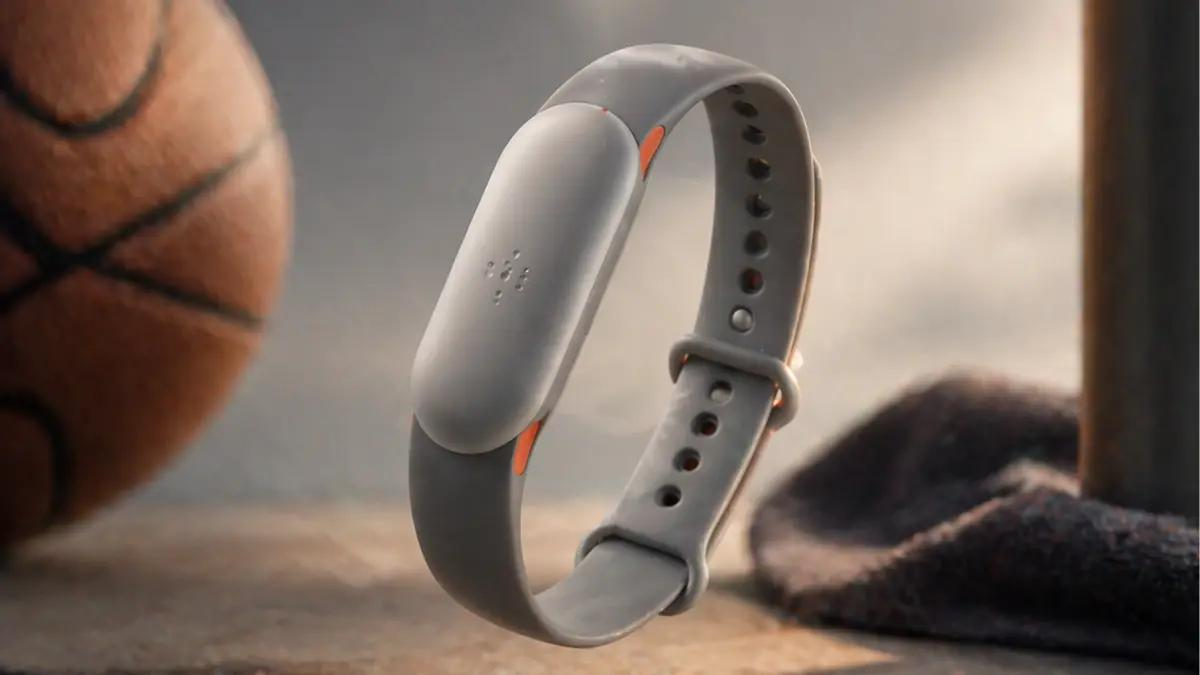
Fitbit Air is a screenless tracker designed around simplicity. It weighs 12 grams with the band and 5.2 grams without it, making it dramatically lighter than WHOOP 5.0, which is listed at about 27 grams in the provided comparison.
The device tracks heart rate, sleep, steps, daily activity, skin temperature and blood oxygen. It also includes a 3-axis accelerometer and gyroscope, vibration motor, Bluetooth 5.0, automatic exercise detection, Daily Readiness, Cardio Load, and water resistance up to 50 meters. It does not include built-in GPS, but it can use a connected phone’s GPS.
Battery life is rated at seven days. A five-minute quick charge can provide about one day of use, while a full recharge takes about 90 minutes.
What makes Fitbit Air strategically important is not simply the hardware. It arrives alongside Google’s shift from the Fitbit app toward Google Health, with Google Health Coach powered by Gemini. The coach is intended to offer personalized suggestions, dynamic fitness plans and proactive insights based on sleep, activity, schedule and performance data.
WHOOP 5.0: Still the Performance Tracker to Beat
WHOOP’s strength is depth. WHOOP 5.0 is built for continuous recovery and performance analysis rather than casual step counting. The provided material describes WHOOP 5.0 as capturing biometric data 26 times per second and tracking HRV, sleep stages, strain, recovery, stress, blood oxygen, skin temperature and VO2 Max across more than 145 supported activities.
Its sleep algorithm is described as being trained on polysomnography data from clinical partners, improving detection of light, REM and deep sleep compared with the previous generation. WHOOP also offers features such as WHOOP Age, Women’s Hormonal Insights and, in the WHOOP MG version, on-demand ECG with FDA clearance for detecting AFib.
Battery life is another clear WHOOP advantage. WHOOP 5.0 is listed with 14 days of battery life, compared with seven days for Fitbit Air. WHOOP also supports on-the-wrist charging, which helps users keep tracking continuously.
For serious athletes, that matters. WHOOP’s appeal is not that it shows you more numbers. It is that it builds a lifestyle around interpreting those numbers.
Design and Comfort: Fitbit Air Is the Everyday Wearable
The screenless format means both devices are designed to be worn constantly, including during sleep. But Fitbit Air’s physical design is clearly aimed at a broader audience.
The device comes in colors such as Fog, Obsidian, Lavender and Berry, with multiple band styles including Active, Performance and Elevated options. A Stephen Curry Special Edition is also described in the source material, priced higher at $130 and featuring additional design details and a water-resistant coating.
WHOOP has its own strong accessory ecosystem, including wrist bands, bicep bands and apparel-based options. That gives WHOOP an advantage for athletes who do not always want wrist-based tracking. Fitbit Air, at launch, appears more wrist-focused, though Google has hinted that additional accessories may come later.
For daily life, Fitbit Air looks more versatile. For training environments, WHOOP still has the more mature wear-anywhere ecosystem.
App Experience: WHOOP Has the Track Record, Google Has the AI Ambition
A screenless tracker is only as good as the app behind it. This is where the comparison becomes especially interesting.
WHOOP’s app is mature and built around recovery, strain, sleep and long-term trend analysis. It gives users extensive data visualizations without requiring them to ask an assistant to generate charts or explanations. The platform is designed for people who want to see how exertion, sleep and recovery interact over time.
Google’s approach is more conversational. Google Health Coach is intended to let users ask questions about their health and fitness data, receive summaries, and get personalized weekly fitness plans. Google has also said it wants the app to work with data from other products and platforms, including Apple Watch, Oura and Garmin users later on.
That could become a major advantage. Google does not need every user to buy Fitbit Air if Google Health becomes the place where users interpret health data from multiple devices. As Rishi Chandra, general manager of Google Health, put it: “So you can decide whatever hardware you want.”
Privacy and Medical Limits Matter
The rise of AI health coaching also raises a serious caution. The provided material notes that institutions such as Mayo Clinic and Duke University School of Medicine warn that AI can be inaccurate, may fail to provide necessary context and cannot reason or run tests like a medical professional. Google, OpenAI and Microsoft have said their products are not intended for medical use or to replace doctors.
That matters for both Fitbit Air and WHOOP. These devices can be useful for spotting trends and encouraging healthier routines, but they should not be treated as diagnostic tools. Wearable data is most useful when it supports better habits, not when it replaces professional medical advice.
Which One Should You Buy?
Fitbit Air is the better choice for most everyday users. It is cheaper, lighter, subscription-optional and designed around approachable health tracking. It covers the essentials: sleep, heart rate, activity, readiness, cardio load, temperature and blood oxygen. For people who want a discreet tracker without a screen or an expensive annual commitment, it makes strong sense.
WHOOP 5.0 is the better choice for athletes, endurance trainers, gym-focused users and recovery enthusiasts. Its app is deeper, its battery life is longer, and its performance analytics remain more mature. But the subscription requirement makes it harder to justify for casual users.
The cleanest verdict is this: Fitbit Air wins on value and accessibility; WHOOP wins on depth and athletic seriousness.
The Bigger Story: Google Is Not Just Chasing WHOOP
Fitbit Air is not only a WHOOP competitor. It is also part of Google’s larger effort to make Google Health a central hub for AI-powered wellness.
That strategy is broader than one wristband. Google wants its AI coach to interpret sleep, fitness, health records and data from rival devices. In other words, Fitbit Air may be the entry point, but Google Health is the bigger play. If Google succeeds, the future of wearable health may not be defined by which device collects the data, but by which platform explains it best.
WHOOP already owns the premium recovery-tracking niche. Fitbit Air gives Google a chance to reach everyone else.


