





FIRE Movement: Redefining Work, Freedom, and the Future of Retirement
A Shift in How People Think About Life and Money
The traditional idea of retirement—working steadily for decades and stepping away around age 65—is undergoing a fundamental transformation. Across different generations, people are questioning whether this long-standing model still makes sense in a world shaped by rising costs, longer life expectancies, and evolving career paths.
- A Shift in How People Think About Life and Money
- Understanding the FIRE Movement
- Variations of FIRE: Different Paths to the Same Goal
- The Cultural Rise of FIRE
- Real-World Adoption: Between Aspiration and Reality
- The Parallel Trend: Working Longer Instead of Retiring Early
- Redefining Retirement: From Age-Based to Purpose-Based
- Structural Challenges Facing FIRE
- Geo-Arbitrage and the Global Dimension
- The Broader Implications for Society
- Looking Ahead: The Future of Work and Retirement
- Conclusion
At the center of this shift is the Financial Independence, Retire Early (FIRE) movement, a personal finance philosophy built on aggressive saving, disciplined investing, and the pursuit of autonomy over one’s time. Rather than waiting until late life to enjoy freedom, FIRE advocates aim to achieve financial independence decades earlier—sometimes as early as their 30s or 40s.
Yet, as recent real-world experiences show, FIRE is not just about quitting work early. It is part of a broader rethinking of what work means, how long people should work, and how they define a fulfilling life.


Understanding the FIRE Movement
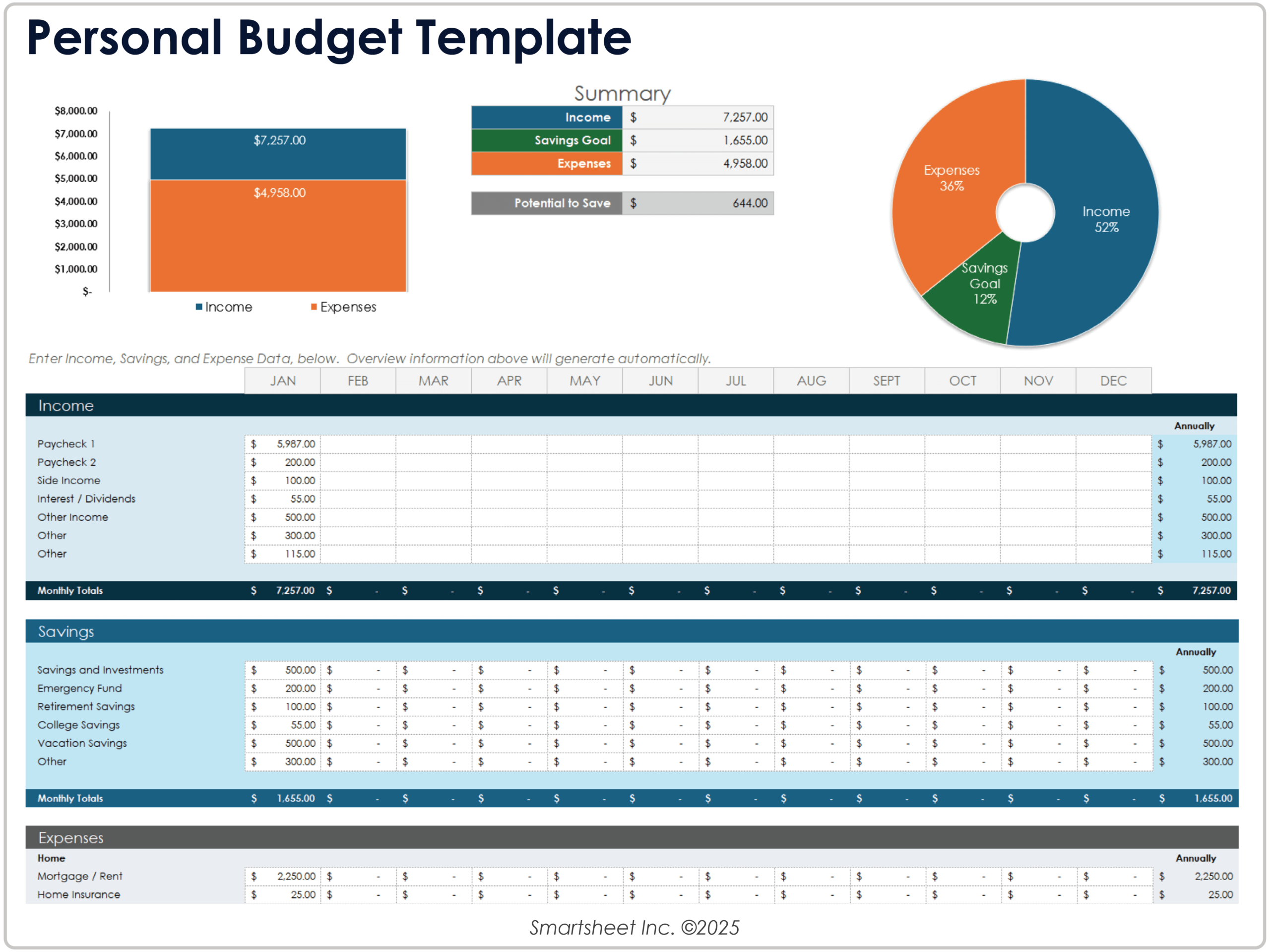
The FIRE movement is grounded in a relatively simple principle: spend less than you earn, invest the difference, and build enough wealth to live off investment income rather than employment.
Practitioners typically aim for unusually high savings rates—often 50% or more of their income, far beyond the 10–15% commonly recommended by financial planners.



A widely cited benchmark within the community is the 4% rule, which suggests that individuals can sustainably withdraw 4% of their investment portfolio annually. This translates into a target of accumulating roughly 25 times their annual expenses to achieve financial independence.
The logic is reinforced by a simple but powerful insight:
the higher your savings rate, the fewer years you need to work to sustain your lifestyle. For example:
- Saving 10% of income → 9 years of work for 1 year of expenses
- Saving 50% → 1 year of work for 1 year of expenses
- Saving 75% → about 4 months of work for 1 year of expenses
This mathematical relationship has become a cornerstone of FIRE thinking, encouraging individuals to prioritize savings early and aggressively.
Variations of FIRE: Different Paths to the Same Goal
The movement has evolved into several distinct approaches, each reflecting different lifestyle priorities:
- LeanFIRE: Focuses on minimal living expenses and a smaller financial target
- FatFIRE: Aims for early retirement while maintaining a more comfortable or affluent lifestyle
- CoastFIRE: Involves saving heavily early, then allowing investments to grow without further contributions
- BaristaFIRE: Combines part-time work with investment income to maintain flexibility and benefits like healthcare
These variations highlight an important point: FIRE is not a one-size-fits-all model. It is a framework that adapts to individual goals, risk tolerance, and lifestyle preferences.
The Cultural Rise of FIRE
The FIRE movement gained traction in the 2010s, fueled by blogs, podcasts, and online communities. Its philosophical roots, however, go back earlier, particularly to influential books like Your Money or Your Life and Early Retirement Extreme, which emphasized intentional living and financial discipline.
Social media has amplified its reach. As one financial planner observed, “social media has made lives appear more glorious and expensive, but also allows others to broadly share about their financial freedom.”
This visibility has created a dual effect:
- It exposes people to alternative lifestyles beyond traditional employment
- It reinforces dissatisfaction with conventional career trajectories
The result is a growing cohort of individuals actively planning to exit the workforce earlier—or at least redefine their relationship with it.
Real-World Adoption: Between Aspiration and Reality
While FIRE has captured widespread attention, its practical implementation varies significantly.
A 2023 survey found that one in four people expressed a desire to retire before age 50, though far fewer actually achieve it.
Among those who succeed, the outcomes are often less about complete retirement and more about flexibility. Some individuals:
- Transition into lower-stress or purpose-driven work
- Launch businesses aligned with personal passions
- Take extended career breaks or “mini-retirements”
- Travel extensively while maintaining income streams
For example, individuals who reached financial independence have reported working only part of the year, choosing projects selectively, or prioritizing experiences over income.
One participant described the shift succinctly:
“Time is the scarcest resource… memories pay dividends.”
This perspective reflects a broader philosophical shift—from maximizing earnings to maximizing life satisfaction.
The Parallel Trend: Working Longer Instead of Retiring Early
Interestingly, the FIRE movement exists alongside an opposite trend: more people working well into their later years.
Data shows that:
- 4.2% of people aged 80+ are still working, up from 3% in 2010
- About one in five Americans aged 65+ remains in the workforce, double the rate in the 1980s
This dual reality—early retirement on one end and extended working lives on the other—signals a breakdown of the traditional retirement model.
The reasons are complex:
- Economic pressures such as housing, childcare, and healthcare costs
- Increased life expectancy
- Desire for purpose and social engagement
- Personal financial setbacks
For many older workers, employment is no longer just about income. It provides structure, meaning, and connection.
Redefining Retirement: From Age-Based to Purpose-Based
Both FIRE practitioners and older workers share a common realization: retirement is no longer defined by a fixed age.
Instead, it is increasingly viewed as:
- A financial condition (having enough resources)
- A lifestyle choice (how one wants to spend time)
- A psychological state (feeling fulfilled rather than exhausted)
As one participant noted, the traditional expectation of retiring at 65 can feel arbitrary and disconnected from individual circumstances.
This shift has led to a broader question:
Should retirement be a milestone, or should it be a flexible phase that evolves over time?
Structural Challenges Facing FIRE
Despite its appeal, the FIRE movement is not without significant challenges.
Healthcare Costs
In countries without universal healthcare, early retirees must secure insurance independently. For example, a 62-year-old purchasing unsubsidized coverage could pay over $1,100 per month, with total pre-Medicare healthcare costs potentially reaching $380,000.
Access to Retirement Funds
Many retirement accounts impose penalties for early withdrawal, requiring complex strategies such as:
- Roth IRA conversion ladders
- Rule of 55 withdrawals
- Substantially Equal Periodic Payments (SEPP)
Income Inequality
Critics argue that achieving high savings rates is unrealistic for many workers, especially those with lower incomes or limited access to high-paying jobs.
Longevity Risk
Retiring early means funding potentially 50+ years of living expenses, increasing the risk of outliving one’s savings.
Geo-Arbitrage and the Global Dimension
One strategy gaining popularity within FIRE is geographic arbitrage—earning income in a strong currency while living in a lower-cost country.
This approach can significantly accelerate savings or reduce retirement requirements. However, it introduces additional complexities:
- Tax obligations across jurisdictions
- Visa and residency requirements
- Access to quality healthcare
- Social and cultural adaptation challenges
While attractive in theory, geo-arbitrage requires careful planning and risk management.
The Broader Implications for Society
The rise of the FIRE movement—and the simultaneous extension of working lives—has implications far beyond personal finance.
For Employers
Organizations may need to adapt to:
- More flexible career paths
- Increased demand for remote work
- Employees prioritizing purpose over compensation
For Governments
Policy debates are intensifying around:
- Retirement age adjustments
- Social security sustainability
- Healthcare accessibility
For Culture
Perhaps most significantly, the FIRE movement is reshaping societal expectations around success, shifting the focus from career longevity to life design and autonomy.
Looking Ahead: The Future of Work and Retirement
The FIRE movement is unlikely to remain a niche phenomenon. Even for those who never fully retire early, its principles—saving more, spending intentionally, and prioritizing time—are influencing mainstream financial behavior.
At the same time, the increasing number of older individuals remaining in the workforce suggests that retirement will become more fluid and individualized.
Rather than a single endpoint, the future may involve:
- Multiple career phases
- Periodic breaks or sabbaticals
- Hybrid models combining work and leisure
In this evolving landscape, the most important takeaway may not be retiring early or working longer—but having the flexibility to choose.
Conclusion
The FIRE movement represents more than a financial strategy; it is a response to deeper questions about how people want to live.
By challenging the traditional retirement model, it has opened up new possibilities—early freedom, purposeful work, and a redefinition of success. At the same time, it has exposed structural inequalities and practical challenges that limit its accessibility.
Ultimately, the movement reflects a broader societal shift: away from rigid timelines and toward a more personalized approach to work, money, and meaning.