Fiorenza Cossotto Net Worth, Relationships, Age/Birthdate & Birthday
Overview of Fiorenza Cossotto — net worth, relationships, age/birthdate, and birthday.
 loveness92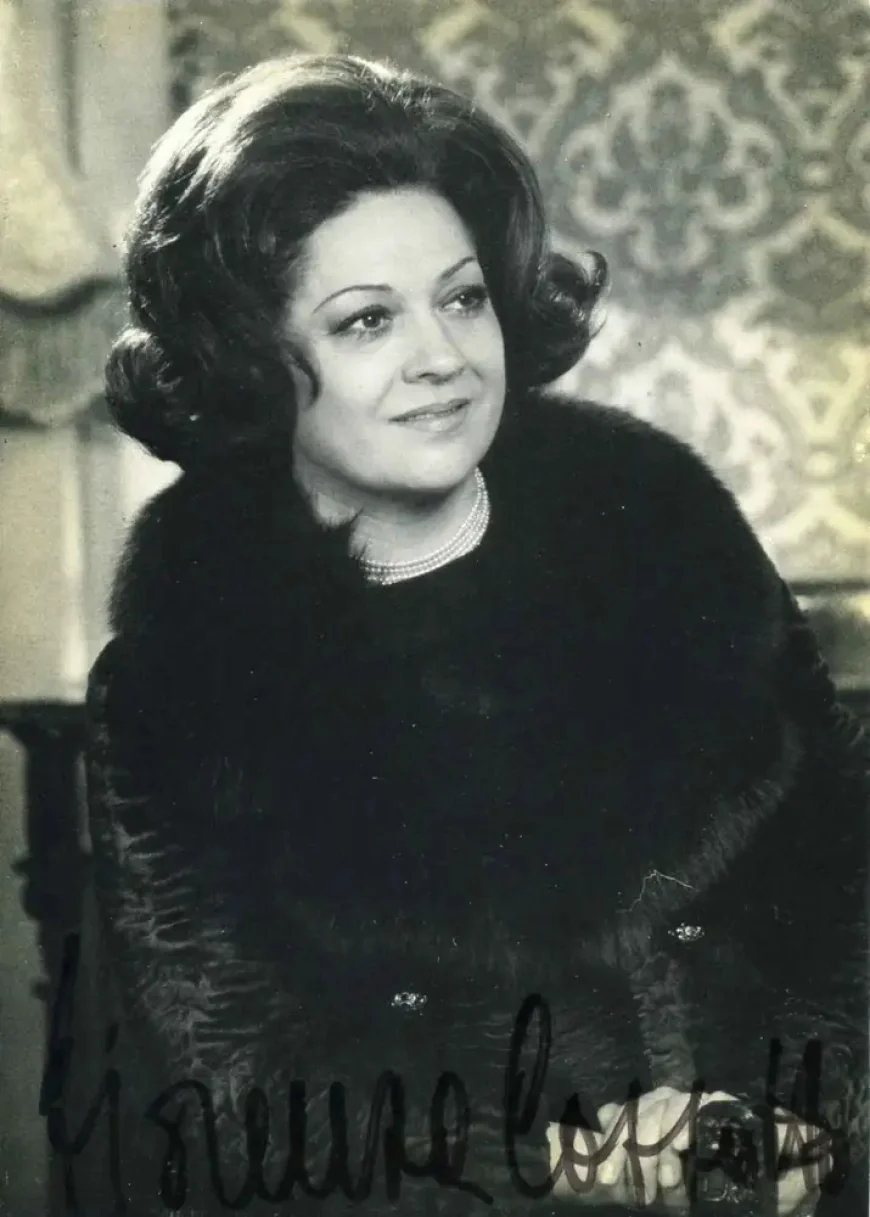
The Voice That Transcended Operatic Boundaries
When Fiorenza Cossotto first stepped onto the stage at La Scala in 1957 as Sister Matilde in the premiere of Dialogues of the Carmelites, she could scarcely have known the magnitude of the career that lay ahead. Yet from those humble beginnings — a modest part among a cast of veterans — she rapidly emerged as one of the twentieth century’s pre-eminent mezzo-sopranos, renowned for a voice that combined power, range, warmth, and dramatic intensity.
Born on April 22, 1935, in Crescentino, in Italy’s Vercelli province, Cossotto’s birthdate marks the beginning of the journey of a woman whose vocal gifts would one day resonate on the world’s grandest opera stages.
Her early training at the Conservatory in Turin (later studying with the famed teacher Mercedes Llopart) honed a natural talent she discovered as a teenager. Initially drawn to voice almost by chance, she was encouraged by a school choir teacher who recognized her distinctive sound and urged her parents to invest in vocal studies.
From there, everything changed. In a matter of years, she transitioned from modest supporting roles to headlining some of the most iconic works in the operatic repertoire — a transformation built on rigorous discipline, an uncanny ability to inhabit characters, and an unwavering commitment to craft.
Triumphs on the Global Stage
Cossotto’s ascent was swift. After her debut in 1957, she made her international debut in 1958 at the Wexford Festival Opera as Giovanna Seymour in Anna Bolena — a breakthrough performance that brought her critical acclaim beyond Italian audiences.
Her 1959 appearance at Royal Opera House (Covent Garden) as Neris in Médée — opposite the legendary Maria Callas — further cemented her international reputation.
But it was in roles by composers such as Giuseppe Verdi that she truly made her mark. Whether as Amneris in Aida, Azucena in Il Trovatore, Eboli in Don Carlos, or Lady Macbeth, Cossotto distilled each character into a vivid emotional portrait — powerful, complex, unforgettable.
Her global reach extended to the United States, where she debuted in 1964 at the Lyric Opera of Chicago and by 1968 was performing leading roles at the Metropolitan Opera in New York — eventually giving 148 performances there throughout her career, always in leading roles.
Her discography flourished: recordings under major labels, collaborations with luminaries, and a legacy of performances captured for the ages. Many now remain accessible through reissues on CD and streaming platforms — allowing new generations to discover her artistry.
The Price of Greatness: Net Worth and Legacy
While it is difficult to precisely quantify the financial value of an artist whose career spanned decades, one widely cited estimate places Cossotto’s net worth at around US$ 20 million.
That figure reflects not only her performance earnings across global opera houses, but also her substantial recorded legacy, royalties, and enduring marketability as one of the most prominent mezzo-sopranos of the modern era. Given the scarcity of similar voices and her influence on mid-20th-century opera, the estimate underscores how exceptional her career has been — both artistically and economically.
Still, it’s essential to approach such numbers cautiously: public net worth estimates are rough, and may not account for fluctuations over time, personal expenditures, or legacy-related income.
What remains indisputable, however, is her stature: she belongs to an elite few whose voices shaped not only individual performances, but the broader understanding and appreciation of dramatic mezzo-soprano repertoire worldwide.
A Life Shared On—and Off—the Stage
Alongside her professional triumphs, Cossotto’s personal life was deeply entwined with the operatic world. She was married for many years to the Italian bass Ivo Vinco, himself a respected performer, though the union eventually ended in divorce. The couple had one son.
Their partnership was more than marital: early in their careers they often appeared in productions at the same opera houses, a pairing that attracted the attention of promoters who valued the synergy of two powerful voices united by both personal and professional bonds.
Yet Cossotto never rested on her laurels. Even decades after her debut, she continued to reflect deeply on her craft, maintain rigorous standards for performance, and offer guidance to younger artists — a testament to her enduring passion for opera, beyond fame or financial reward.
What Makes Her Enduring: Beyond The Spotlight
Part of Cossotto’s lasting influence lies in her unique vocal qualities. She possessed a rare combination of flexibility and strength: the ability to descend into velvety lows typical of a contralto, then ascend into dramatic mezzo highs — even tackling soprano roles with ease.
Her performances often balanced raw emotion and technical discipline: she did not rely on vocal spectacle alone, but on an interpretive depth that allowed each character to breathe, suffer, love — in short, to become human. Critics and fellow artists alike noted how she inhabited roles not just as a singer, but as a complete theatrical presence.
Importantly, she carried the torch for a generation of Italian dramatic mezzos — bridging the era of mid-century divas with the contemporary opera world. Many believe that voices of her caliber, with such range and authenticity, are increasingly rare today.
Celebrating the Birthday Behind the Legend
April 22 remains significant — not only as the day Cossotto was born, but as the milestone that marks the beginning of a lifelong devotion to music. Her birthday resonates across opera houses and recordings worldwide as the anniversary of a legacy defined by passion, discipline, and artistic brilliance.
Every time a recording plays, every time a revival of a Verdi classic opens in concert, the spirit of that 22 April remains alive — carried forward in the voice, memory, and reverence her artistry continues to inspire.
Final Note
Fiorenza Cossotto’s story illustrates how exceptional talent, when paired with discipline and emotional intelligence, can transcend time. Her net worth may offer one measure of success — but the truest measure is found in the lasting respect of critics, the tears and applause of audiences, and the generations of singers who learned from her example.
In the annals of opera, her name remains not as a relic of the past, but as a benchmark: a standard of what it means to combine voice, heart, and soul in pursuit of beauty.