



Evan Ross Unmasked: A Career Defined by Legacy, Reinvention, and Spotlight Moments
A Familiar Name, A Distinct Identity
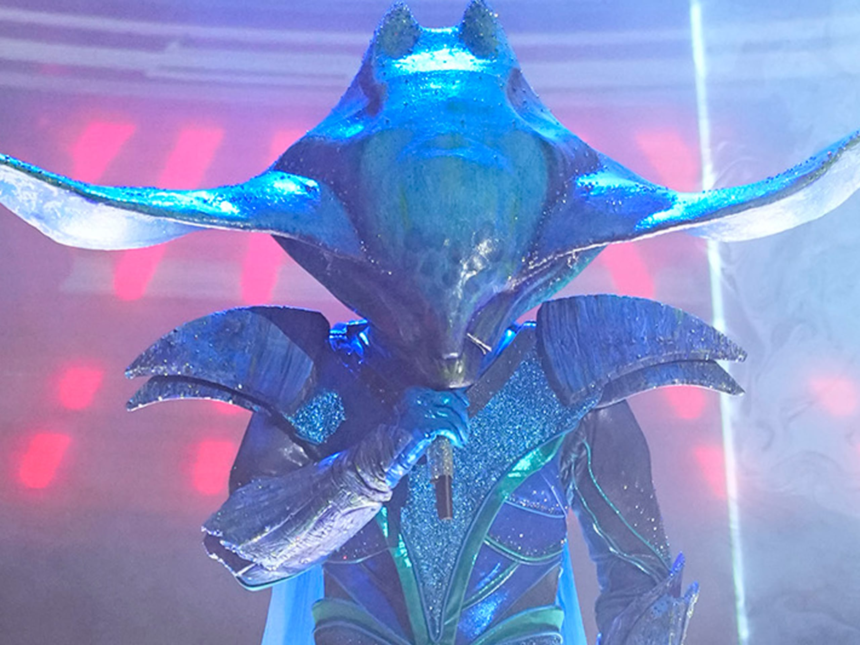
When Evan Ross stepped onto the stage of The Masked Singer as the mysterious “Stingray,” the moment carried more than entertainment value—it reflected a career shaped by legacy, artistic exploration, and a persistent effort to define an identity beyond one of music’s most iconic families.
- A Familiar Name, A Distinct Identity
- The Masked Singer Reveal: Performance, Clues, and Recognition
- Growing Up in the Shadow of Greatness
- A Career Across Film, Music, and Television
- The Cultural Significance of Celebrity Lineage
- The Show Itself: A Platform for Reinvention
- What This Moment Means for Evan Ross
- Looking Ahead: Career Trajectory and Opportunities
- Conclusion: Beyond the Mask
Unmasked during Season 14’s “Star Trek Night” episode on March 18, 2026, Ross’s reveal was less a surprise than a confirmation. The clues had been mounting, the voice familiar, and the narrative unmistakable. Yet the significance of the moment extends beyond a single television appearance—it underscores Ross’s evolving role in entertainment and the broader dynamics of celebrity lineage in modern media.
The Masked Singer Reveal: Performance, Clues, and Recognition
Ross’s journey on the show culminated in a performance of “Starboy” by The Weeknd—a fittingly contemporary track that contrasted with his earlier song selections, including “Stayin’ Alive” by the Bee Gees and “Bad Habits” by Ed Sheeran.
His elimination came alongside television judge Greg Mathis, who had performed as “14 Karat Carrot.” While Mathis left behind a trail of courtroom-themed clues, Ross’s identity was anchored in something more personal—and more revealing.
The decisive clue was a plaque that read:
“I hereby give my child Stingray my endless love. Signed, Mother Supreme.”
The phrase “Mother Supreme” directly referenced Diana Ross, a defining figure in Ross’s life and career. The panel quickly aligned their guesses.


Ross himself reinforced the emotional undertone of the reveal, stating:
“I had a guiding light early in my life, and now my wife is my sun and my shining moon in my life.”
This combination of personal narrative and performance artistry made his unmasking one of the more transparent—and emotionally resonant—moments of the season.
Growing Up in the Shadow of Greatness
To understand Evan Ross’s career trajectory, one must begin with context. As the son of Diana Ross—arguably one of the most influential figures in modern music—Ross was exposed to elite artistic environments from an early age.
His own reflection during the show reinforces this:



“I’ve been surrounded by a lot of amazing people since I was very young. Michael was one of them, but the best part about him is he always made me believe that everything is magic.”
The reference to Michael Jackson is not incidental. It signals Ross’s proximity to cultural legends and highlights the unique pressures and expectations that come with such an upbringing.
However, rather than replicate his mother’s path directly, Ross has navigated a hybrid career—balancing acting, music, and television appearances.
A Career Across Film, Music, and Television
Evan Ross’s professional portfolio reflects versatility rather than specialization. He has consistently moved between mediums, positioning himself as a multi-disciplinary performer.
Acting Career
Ross first gained recognition through film roles that showcased his range, often portraying emotionally complex characters. His transition into television further expanded his audience reach, aligning him with contemporary storytelling formats.
Music and Performance
While music remains a core influence—inevitable given his lineage—Ross has approached it selectively. His song choices on The Masked Singer demonstrate both respect for classic influences and engagement with modern pop.
Reality Television and Reinvention
Participation in The Masked Singer represents a strategic form of reinvention. The show’s format strips away visual identity, forcing audiences to evaluate performers purely on voice and presence.
For Ross, this created a controlled environment where his talent could be assessed independently of his surname—at least temporarily.
The Cultural Significance of Celebrity Lineage
Ross’s appearance on the show highlights a broader industry trend: the evolving role of second-generation celebrities.
In previous decades, legacy often dictated career direction. Today, however, audiences demand differentiation. The challenge is not access—but distinction.
Ross’s trajectory illustrates three key dynamics:
-
Inherited visibility: Immediate recognition and industry access
-
Expectation management: Constant comparison to iconic predecessors
-
Identity negotiation: Balancing legacy with individuality
By participating in a format like The Masked Singer, Ross effectively engages in controlled anonymity—a paradoxical but effective strategy for redefining public perception.
The Show Itself: A Platform for Reinvention
Season 14 of The Masked Singer, hosted by Nick Cannon, continues to position itself as more than a singing competition.
With themed episodes ranging from “Star Trek Night” to tributes like “Ozzfest Night,” the show integrates nostalgia, pop culture, and performance into a hybrid entertainment model.
The scale of talent involved this season is notable:
-
94 million records sold collectively
-
47 Teen Choice Award nominations
-
12 Emmy nominations
-
One Tony Award win
-
One Academy Award nomination
Ross joins a diverse group of unmasked participants, including figures like Tiffany Haddish and Billy Ray Cyrus—a mix that reinforces the show’s cross-industry appeal.
What This Moment Means for Evan Ross
Ross’s elimination does not signal an endpoint. Instead, it serves as a recalibration moment—one that places him back into public conversation with renewed visibility.
Three implications stand out:
1. Reinforced Public Identity
The reveal reconnects Ross with audiences who may recognize his name but not his current work.
2. Narrative Control
By sharing personal reflections during the show, Ross shapes his own narrative—emphasizing relationships, influences, and personal growth.
3. Platform Expansion
Reality television continues to serve as a bridge between traditional acting roles and broader audience engagement.
Looking Ahead: Career Trajectory and Opportunities
Ross’s next steps will likely build on the visibility generated by the show. Potential directions include:
-
Expanded television roles leveraging renewed recognition
-
Music releases that capitalize on his performance exposure
-
Continued participation in hybrid entertainment formats
More broadly, his trajectory reflects a shift in how modern entertainers sustain relevance—not through a single medium, but through continuous reinvention across platforms.
Conclusion: Beyond the Mask
Evan Ross’s unmasking as “Stingray” was not merely a reveal—it was a reminder of the complex interplay between legacy, talent, and reinvention.
While his lineage provides context, his career increasingly reflects independent choices and strategic positioning within a rapidly evolving entertainment landscape.
In an industry where identity can both define and limit opportunity, Ross’s journey suggests a deliberate effort to balance inheritance with individuality—one performance at a time.